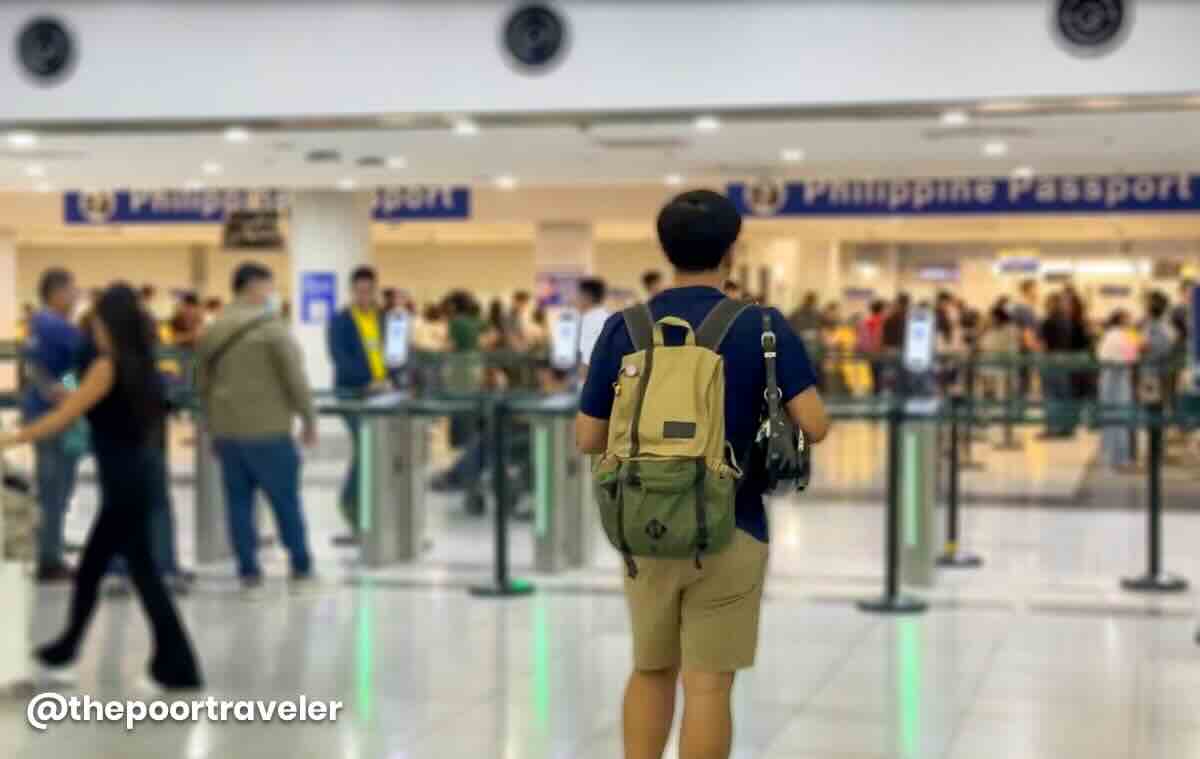
My partner Vins and I have been travel blogging for the past 15 years, visiting 70 countries and territories, and exhausting the pages of four passports each. And you might think we’re no longer worried about getting offloaded. But the truth is, we still get nervous whenever we approach the Immigration counters at the airport, and we still encounter super-strict Immigration Officers.

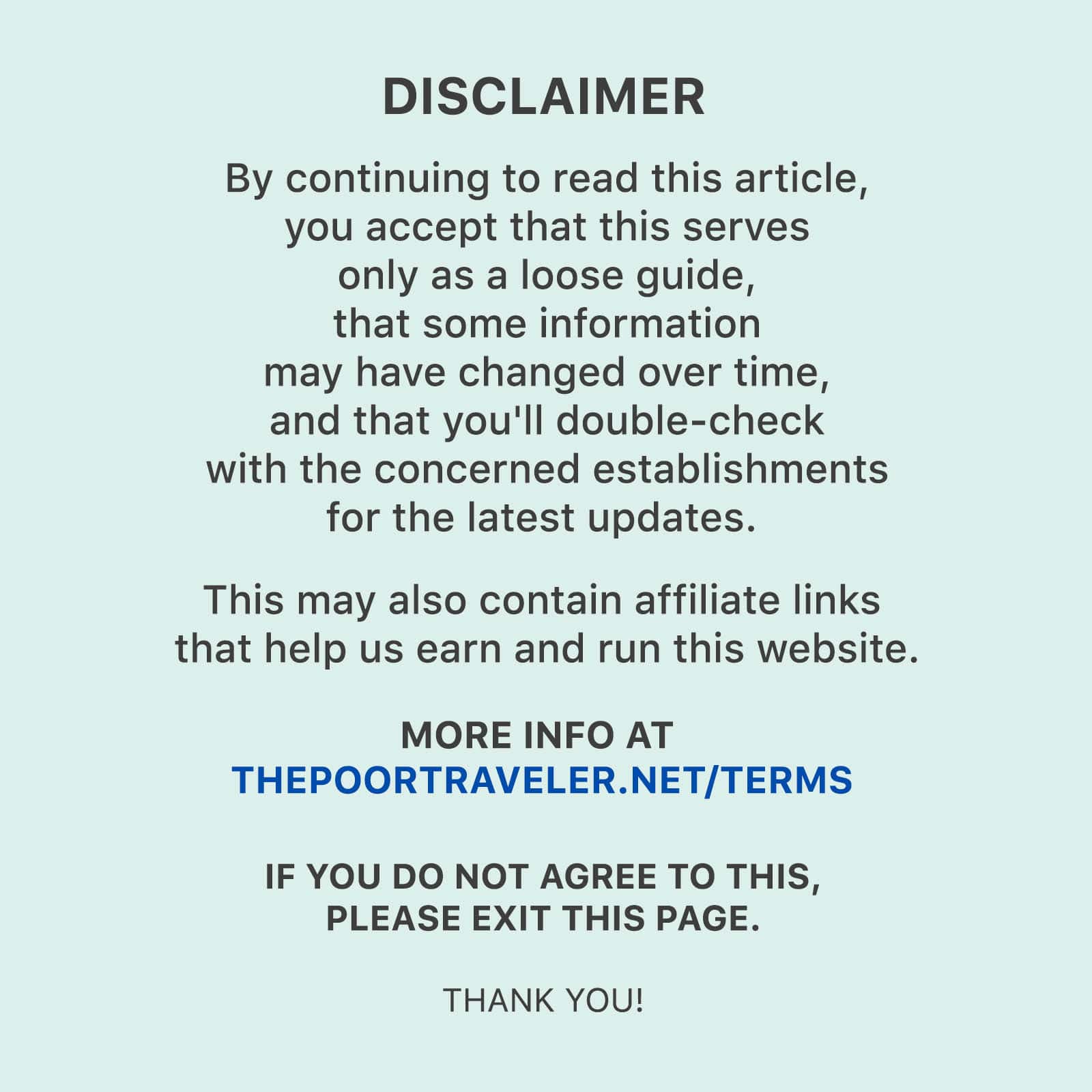
According to GMA News, in 2023 alone, more than 36,000 Filipinos were offloaded or were not allowed to board their international flight. It’s every Pinoy traveler’s biggest nightmare: being denied to board the plane. The trip ends even before it begins. It puts to waste everything invested in planning the trip: time, money, effort, and emotions.
It’s been a highly controversial issue over the past years. But what is offloading? Why is it implemented? And what can you do to avoid it?
WAIT, WAIT, WAIT! If your are traveling soon and still on the planning stage, you can also visit our The Poor Traveler Masterlist. Here, we compiled travel essentials, including immigration requirements and all our recommended hotels and tours. Just visit this page: TPT Masterlist. We have a compilation for destinations around the world.
What is offloading?
Before we give you tips on how to breeze through the Immigration process, let’s first define it.
For the longest time, “Offloading” means getting a boarded passenger out of the plane or to “remove a passenger from the aircraft.”
Before we proceed, we need to clarify that the Bureau of Immigration does not have an offloading policy. They do not usually pull passengers out of an aircraft. What they do is allow or deny boarding.
However, in the Philippines, “offload” has become an umbrella term for not being allowed to leave the country. But officially, Immigration Officers use the term “deferred boarding.”
For the purpose of the article, we’ll just go with the flow and use that colloquial definition.
What is the immigration process?
First, let’s talk about Immigration officers. Immigration officers (IO) are uniformed personnel just like police officers, but they are in charge of border control. They function under the Bureau of Immigration, which was created when the Philippine Immigration Act of 1940 came to be. IOs underwent training at the Philippine Immigration Academy.
Immigration Officers follow the so-called Arrival & Departure Formalities.
At the airport, there are two main types of Immigration Officers that you might encounter.
Primary Inspectors
Primary Inspectors are under the Port Operations Division. They are stationed at the Immigration counters. These are the IOs that you usually see.
Their job is to do the first screening: asking you questions, checking your documents, and looking out for red flags. Ideally, within 45 seconds — yes, only 45 seconds — they should make a call on whether you should be allowed to go through or they need to know more.
If the primary inspector feels they need to explore your case further, they still have questions, or there are still some things that need clarification, they will need to take you aside for the line to move and not build up. It is at this point that they will refer you to secondary inspection.
Secondary Inspectors
Secondary Inspectors are under the Travel Control and Enforcement Unit (TCEU). If the primary inspectors are those who you usually see at the airport, the secondary inspectors are those you don’t want to see. They are usually stationed on the side, in a separate, more private room or cubicle.
Their job is to make a more thorough and longer inspection.
Why are they strict?
Are Immigration Officers put on earth to make Filipino travelers miserable? These days, some of the top concerns for them are Filipinos overstaying or illegally staying abroad and those who fall victim to human trafficking.
According to a friend who used to be an Immigration Officer, they can get in trouble when someone they let through ends up not returning — essentially becoming a TNT (Tago nang Tago). So they must be strict.
But the system is far from perfect.
We get angry because many travelers with the best intentions end up offloaded. But then we turn on the radio or TV sometimes, and we hear about corruption within the Bureau, like the pastillas scheme in 2022. Or sometimes, we just dwell on the fact that some politicians or other people in power under investigation can easily flee the country, while ordinary citizens are blocked because of mere suspicions.
So there’s that. But I digress.
Philippine Immigration Airport Requirements
So let’s say you have an upcoming international trip and you’re traveling for the first time. What do you need to prepare? These are four things that you MUST present to the Immigration Officer before you are allowed to board:
- Valid Passport (with at least 6 months validity)
- Boarding Pass
- Roundtrip Ticket
- Visa (if applicable)
At the very least, you should have these four. Usually, these are all they will ask from you. Usually, but not always. Sometimes, they ask for a company ID and a hotel reservation, too. But personally, I like creating a folder on my phone containing everything related to my travel. These include:
- Return Ticket
- Hotel Reservation
- Tour Bookings (if any)
- If employed: Certificate of Employment or Approved Leave of Absence
- If self-employed: Business Registration Documents
I don’t volunteer most of these documents. I only present when asked.
Usual Questions by Immigration Officers
These are the usual questions I get when I come face to face with an Immigration Officer.
- Where are you going?
Just say your destination(s). - Are you a government employee?
Note that if you are, you also need to present a Travel Authority. I have seen government employees getting held because they didn’t have this. - What is your occupation here in the Philippines?
In other words, do you have a job? - What company do you work for?
- When will you return to the Philippines?
Those are the most common. But sometimes, I get more questions:
- Where will you be staying?
They sometimes ask to see a copy of your hotel reservation. If you’re staying at a friend’s, they sometimes dig deeper. - What will you do there?
- Whom are you traveling with?
The key is to answer confidently, consistently, and truthfully.
Sometimes, they will ask follow-up questions. If they want to follow international standards, all these have to be done in 45 seconds. If they still have questions or doubts, you’ll be endorsed to the secondary inspection.
What happens at Secondary Inspection?
When the officers deem it necessary, travelers will be subjected to the so-called Secondary Inspection, in which they will ask more questions and ask for more documents.
According to a memorandum entitled Guidelines on Departure Formalities for International-Bound Passengers, released by the Bureau of Immigration to their airport and seaport officers, the traveler will then be assessed based on the following:
- Age
- Educational Attainment
- Financial Capability to Travel
The last item usually becomes the issue. According to the Bureau (as told to a news agency), tourists who are more likely to be questioned are:
- First-time tourists flying to a not-so-popular destination.
- Tourists with no steady source of income in the Philippines and no benefactors.
Financial capability is not a requirement, according to the Bureau. However, “a person may only be asked to present further proof for his travel abroad if the person appears to have a reason different from what he has declared before an immigration official.”
Possible Additional Documents
The key phrase in the previous section is WHEN THE OFFICERS DEEM IT NECESSARY.
What does that mean? It means you’ll never know for sure whether you will be subjected to a secondary inspection or not. Your trip happening still highly depends on these gatekeepers.
In case you are subjected to a secondary inspection — again, just in case — you need to prove you are coming back to the Philippines soon or that you have the means to financially support this trip. How are you going to do that?
Here are the possible additional documents Immigration Officers may ask for. It would be best to have the following with you when you travel, even if you have the truest intentions:
- Company ID
- A copy of your latest Income Tax Return (ITR)
- Certificate of Employment (best if it indicates your salary and how long you have been with the company)
- Business Registration Documents (for self-employed)
The above items should be sufficient to prove that you are still working here in the Philippines (which means you have something to return for) and that you can fund this trip. In some cases, the officers might ask for more proof.
One of our teammates here at The Poor Traveler was asked for proof of funds at Primary Inspection. She didn’t have a bank certificate with her, so she just showed her banking app. I’m not even sure if it’s legal, but she just showed it. Fortunately, she was allowed to go through.
But what if you lack or don’t have financial capability?
Additional Documents for Travelers with No Financial Capability
Travelers who can’t financially support the trip themselves must have a sponsor, who is ideally an immediate relative. They should have the following documents handy:
- Authenticated affidavit of support and guarantee, indicating the relationship within the 4th civil degree of consanguinity or affinity, together with the supporting documents.
- According to a friend who is an Immigration Officer, in addition to the documents above, the traveler must also provide proof that the sponsor can support the trip. This may be the sponsor’s Certificate of Employment, ITR, or bank documents.
However, note that having the above papers does not guarantee getting through, but it will definitely increase your chances.
Recommended Documents for Freelancers
Over the past 20 years, I have traveled as an employee, as a business-owner, and as a freelancer. And I noticed that it was when I was a freelancer that I had the toughest time clearing Immigration checks. But thankfully, I was never offloaded.
If you’re a freelancer, you probably don’t have a company ID and no one to get a Certificate of Employment from. When I was a freelancer, here’s what I used to carry with me:
- A copy of your Income Tax Return for the past year. If you pay taxes yourself, you should have it. If the clients pay/paid for you, they usually give you a copy of it when they release the check. If not, ask if they could provide you with a copy.
- Business Registration Certificate. If you’re registered with BIR or with DTI as a Sole Proprietor, a copy of this should also be very helpful.
- Certificate of Engagement-type of document. Ask your client(s) if they can give you a document certifying that you’re doing business with them. The address and telephone number of the client must be indicated. Best if it also includes the salary and how long you have been working with them.
Here’s the format I followed when I asked my clients to provide some sort of certification that I was working for them. Make sure you have your client’s contact numbers. Best if this is written on an official letterhead.

NOTE: This is just a sample.
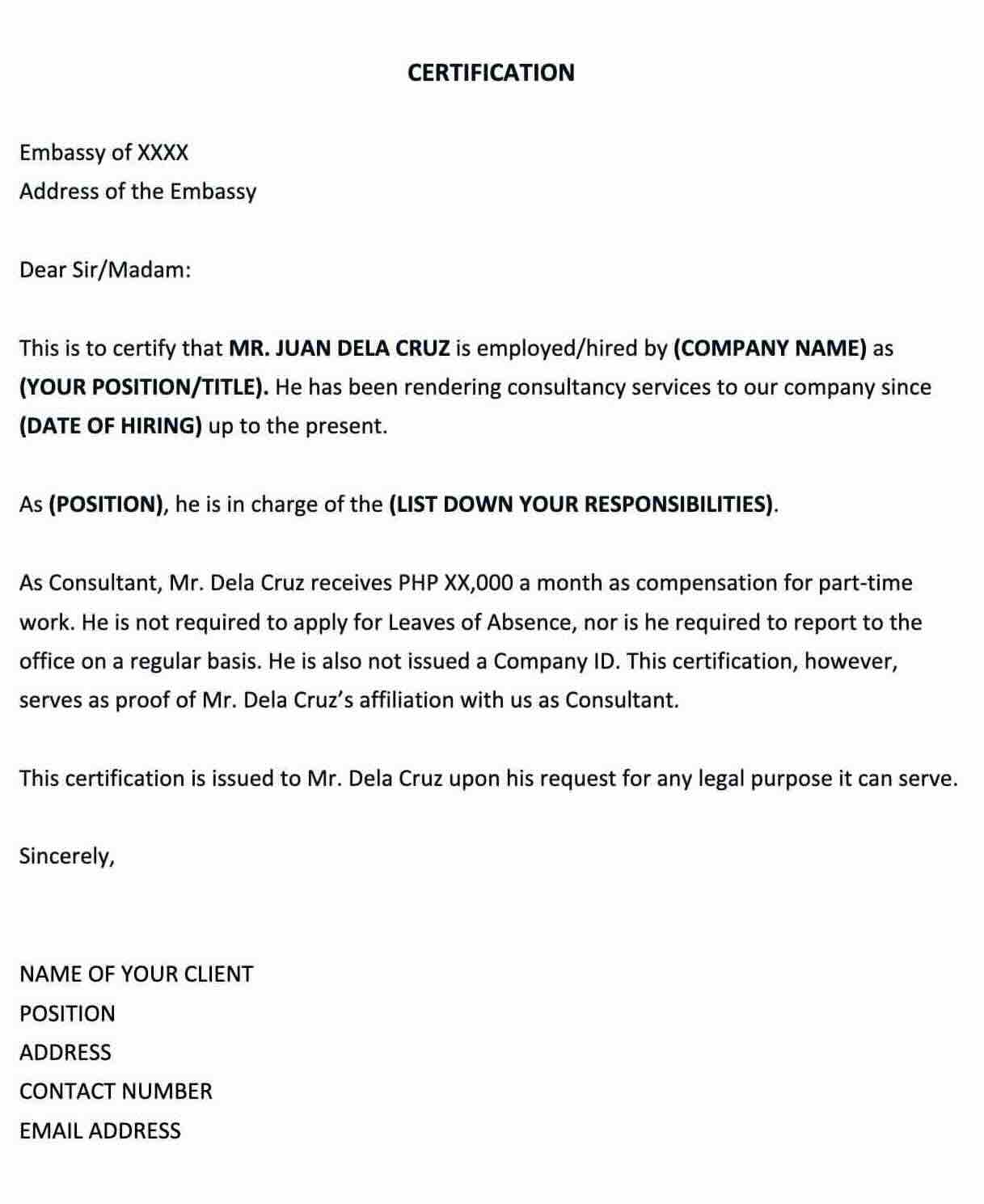
Or any proof that you have a source of income. If you don’t have any, it could raise more questions.
When I was a freelancer, some of the questions I usually got were about where I would be staying, what I did for a living, what company I worked for, and how much money I had with me.
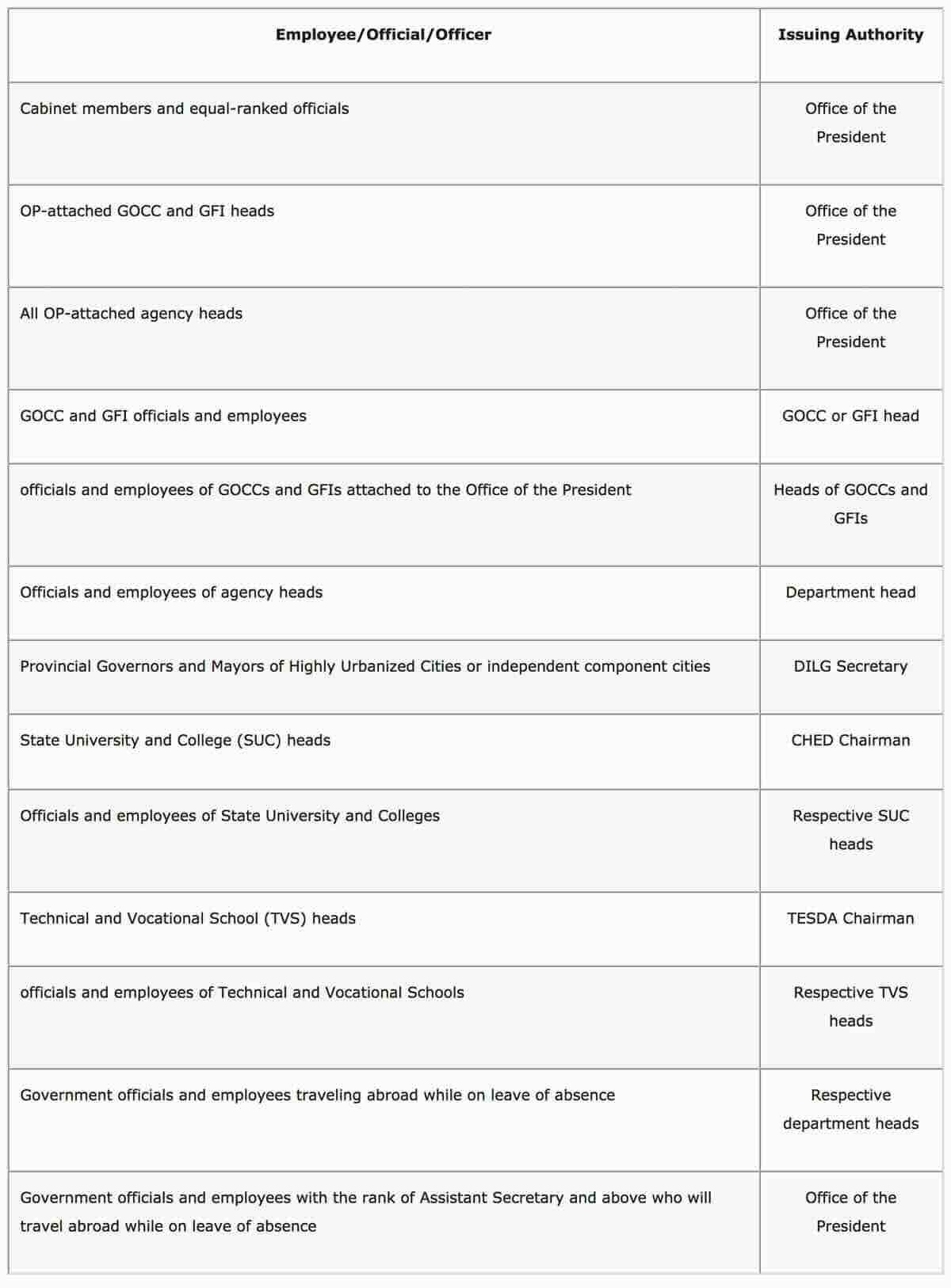
Travel Authority for Government Employees
If you’re a Philippine government employee, you must also provide a travel authority issued by the correct office. You’ll find more info in this table:
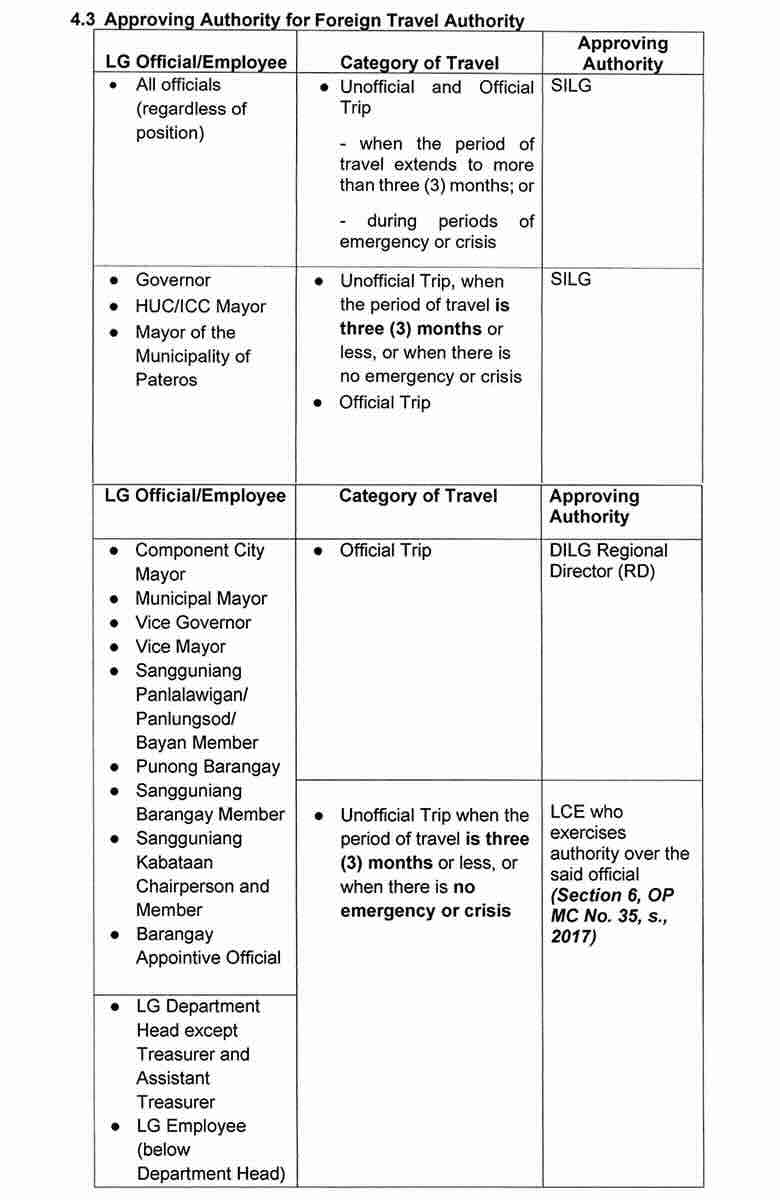
For local government employees, including barangay officials and SK members, these are the issuing or approving authorities. LCE means local chief executive.
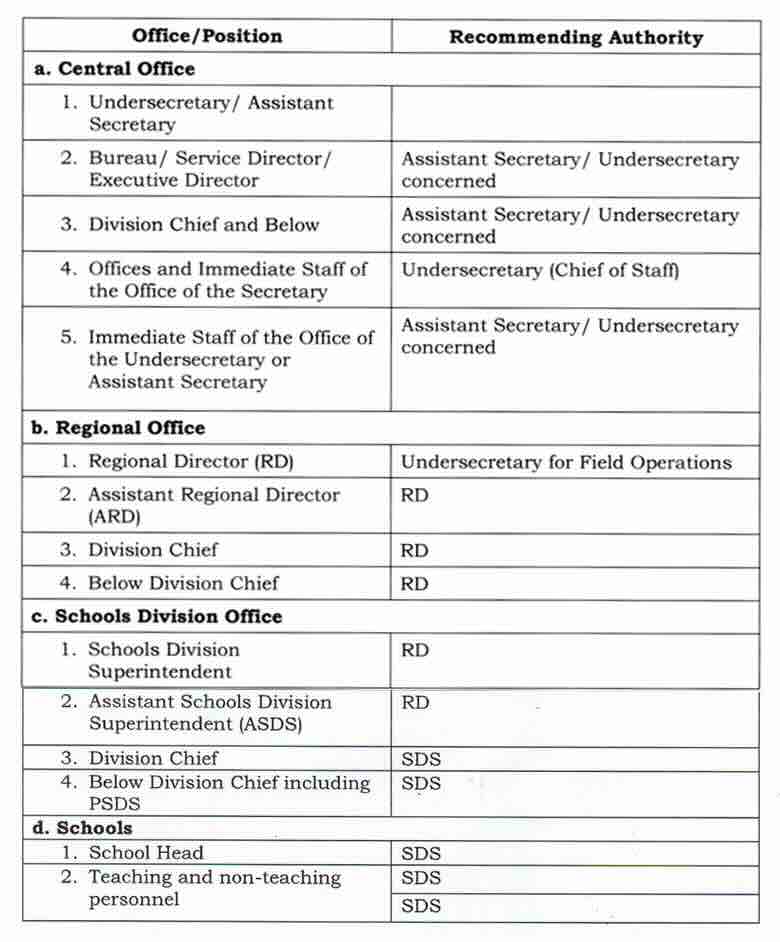
Public school teachers also need to present a travel authority signed by the Schools Division Superintendent (SDS). I’m just not familiar with the process.
Travelers who are Invited or Sponsored by a Filipino Abroad
If you’re invited or sponsored by a Filipino based abroad, you need to provide an Affidavit of Support with Undertaking, stating that the inviter will shoulder the trip expenses in part or in full, and that the visitor you will be under their responsibility during the stay in that country.
It looks like this:
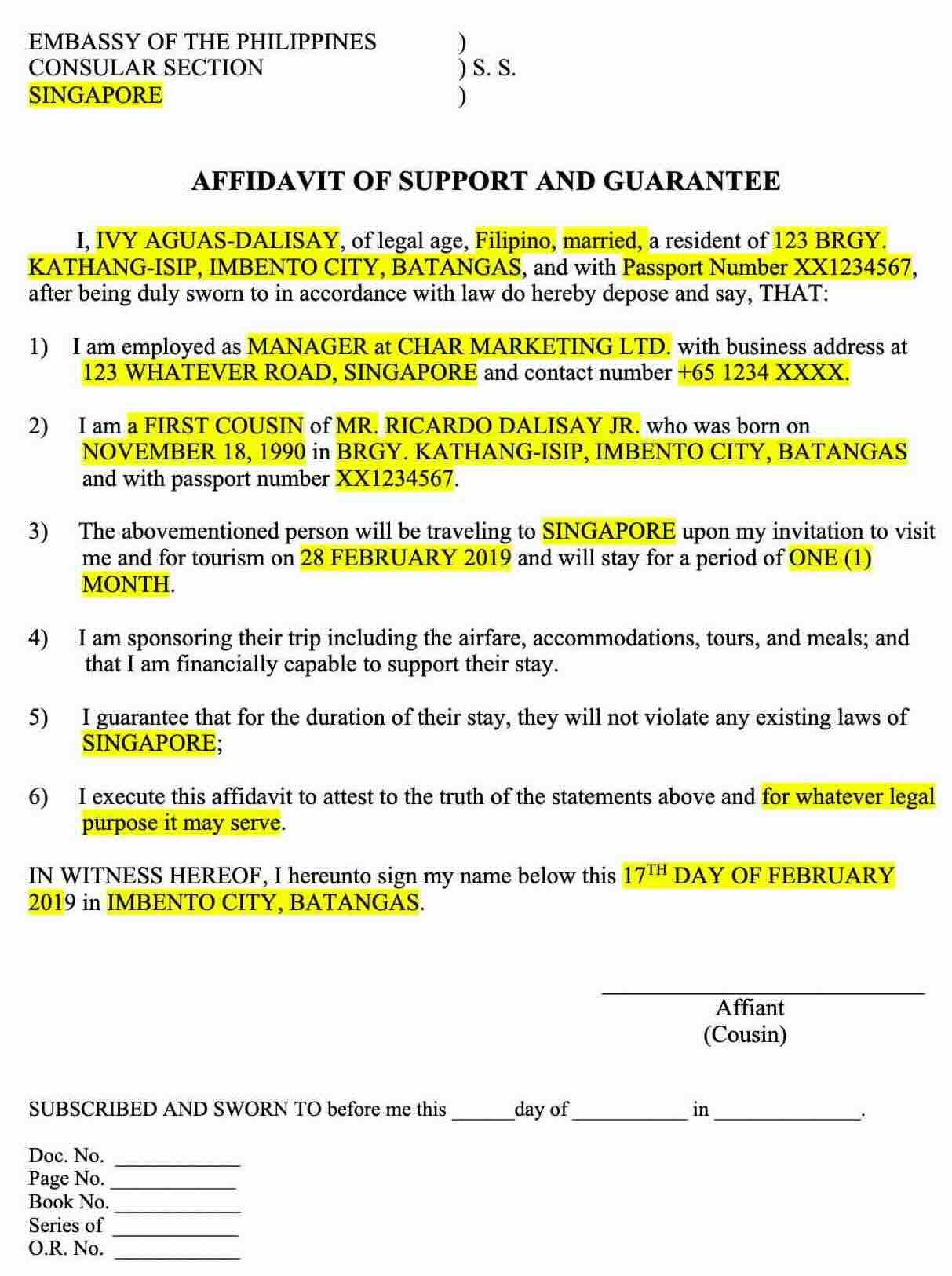
It should contain the following information:
- Visitor’s Personal Information
- Inviter’s Personal Information
- Inviter’s Legal Status Abroad (citizen, resident, temporary resident, etc.)
- Inviter’s Financial Capacity
- Details of the Trip
- Reason for the Invitation
You should also present documents proving that the inviting party can afford to sponsor you. This may be bank certificates or tax documents. Proof of relationship may also help.
If the inviting party is a corporation or organization, you must also include the sponsor’s corporate registration details.
Strictly speaking, the inviter/sponsor and the visitor should be within the fourth degree of consanguinity or affinity (up to first cousins by blood or marriage). SOMETIMES, they accept an Affidavit of Support from a non-relative if everything else looks good. It’s on a case-by-case basis, so there is still a good chance that the affidavit will be rejected and you will still be offloaded even if you have an Affidavit of Support from a non-relative. The document must be authenticated at the Philippine Embassy in the inviter’s country.
If the affidavit is executed in the Philippines, it must be notarized. When my sister was based abroad, she would usually take care of this document during her visits, so she wouldn’t need to visit the embassy.
Travelers who are Accompanied or Sponsored by a Foreigner
This is one of the most usual questions we get: What are the requirements if I’m traveling with or if I’m going to meet a foreign boyfriend, girlfriend, or friend abroad?
According to the same memorandum, the following will be subject to secondary inspection:
- Travelers without the financial capacity to travel escorted or accompanied by a foreigner who is not related
- Partners and spouses of foreign nationals intending to depart to meet and/or marry their fiancé without the CFO Guidance and Counseling Certificate
I’m not sure whether or not that memorandum is still followed, but if it is, then you’re most likely to undergo a secondary inspection.
According to a friend who is an Immigration Officer, this is one of the cases that the Bureau usually takes a closer look at and keeps an eye on because of the high risk of human trafficking. An Affidavit of Support/Guarantee/Undertaking can help. BUT not always.
Aside from this, the traveler needs to show proof of relationship with the foreign sponsor. This can be photos together. You might also be asked how long you have known each other and how you met.
If you have no physical proof of relationship or you’re meeting the foreign sponsor for the first time, you are most certainly going to be offloaded. Online communication, no matter how long it has been going on, is just not strong enough. They will have to protect the Pinoy traveler, especially if they have no financial capacity to travel, because they will be very vulnerable abroad.
Red Flags
According to the Guidelines on Departure Formalities for International-Bound Passengers, if you belong to any of the following, you are likely to get more questions or even subjected to a secondary inspection:
- Travelers without the financial capacity to travel escorted/accompanied by a foreigner who is not related
- Minor traveling alone or unaccompanied by either parent or legal guardian without the required travel clearance from the Department of Social Welfare and Development (DSWD)
- Repatriated irregular workers, in which case, travel may not be allowed without clearance from the IACAT (generate data)
- Partners and spouses of foreign nationals intending to depart to meet and/or marry his/her fiancé without the CFO Guidance and Counseling Certificate
- Passengers traveling to countries with existing deployment bans, alert levels, and travel advisories and those in possession of visas to the said countries
- Passengers who stayed abroad for more than one (1) year during a previous departure from the country as a tourist/temporary visitor, intending to depart for the second and/or subsequent time
So, if you are one of these, expect that you will be asked a lot of questions.
How to Avoid Getting Offloaded
Immigration officers most probably assess cases based on three things:
- Your answers
- Your records
- Your documents
So, let’s tackle them one by one. First, your answers. We always say: Answer confidently, consistently, and truthfully. And among those three adverbs, the most important is the last one: truthfully. Why? Because it is so much easier to be confident and consistent when you’re telling the truth. No matter how many times the interviewer twists their questions, the answer will always be the same.
So don’t overthink it and don’t be too nervous. If you have nothing to hide, just relax and answer their questions as they come.
Second, your records. According to a friend who used to be an Immigration Officer, travel history matters.
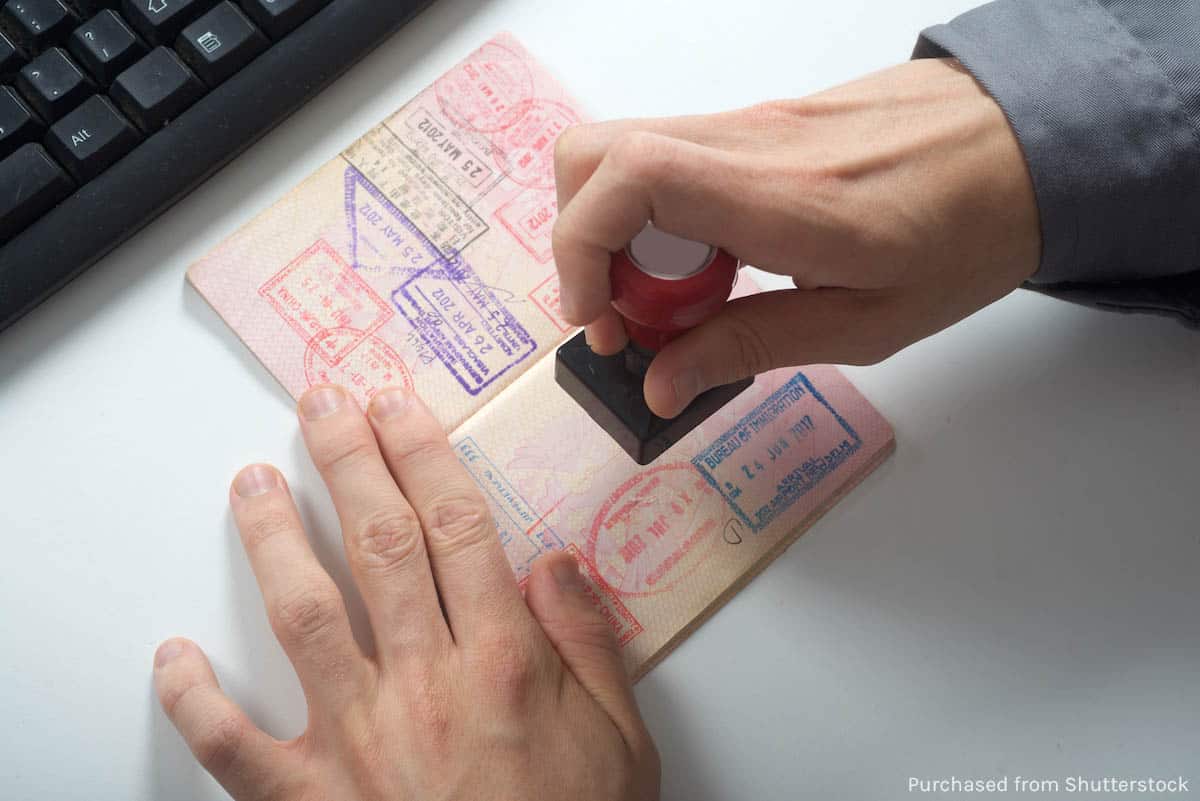
- If you’ve traveled internationally before, they can see it on your passport and on their system.
- If you have a record of overstaying, then it’s likely they will not take your word at face value this time around.
- If you had been offloaded before, you must first complete the list of documents that were given to you then.
But what if it’s your first trip abroad, and you don’t have a record yet? How can you prove you’re coming back?
This is when the third factor comes in: your documents. It is important to remember that these assessments are document-based. These officers don’t know you personally, and all they’re going to base their decision on are the documents that you will present to them.
Understanding your situation is crucial, so you also know what documents you have to secure.
And that’s it for this post! We will make a separate article focusing on the common reasons for offloading. Remember, plan smart, travel safe, and make every trip worth it!
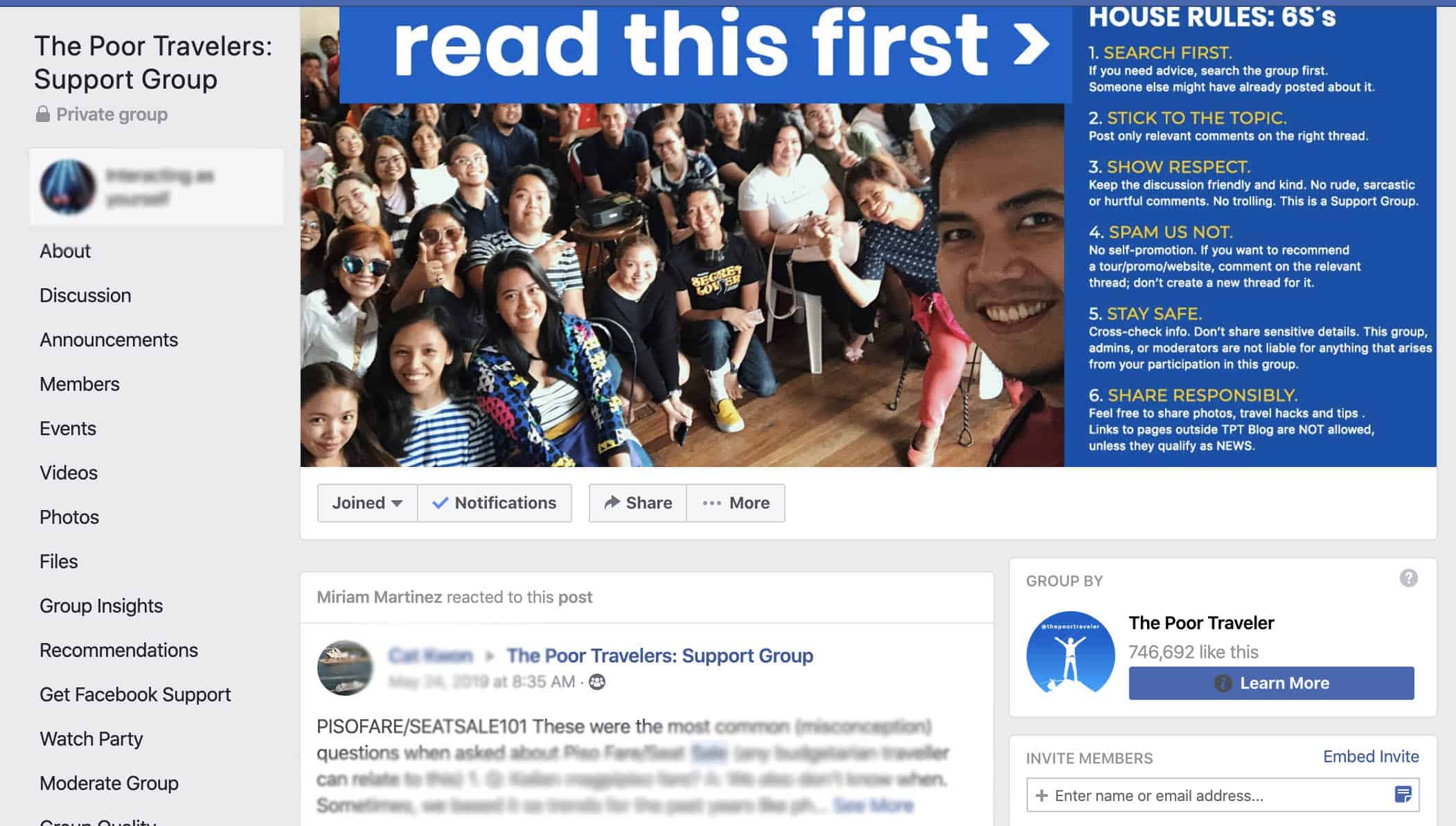
Join The Poor Traveler Support Group
✅ If you have any questions or need travel tips, feel free to post them to the TPT Support Group. The members are very helpful. This Facebook support group has been around for a long time, and many members have found travel buddies through it. You can join too! Just visit The Poor Traveler Support Group. Note that this is different from The Poor Traveler Facebook page.
Have Peace of Mind While Traveling!
Getting a travel insurance is optional, but we highly recommend this, especially when traveling abroad. Travel can be unpredictable, and though we hope we’ll never use it, having it gives us peace of mind in case of unexpected delays, cancellations, or emergencies.
For international destinations, consider PGA Sompo’s TravelJOY Plus insurance. You can GET IT HERE. Don’t forget to use WORTHIT for a special affordable rate.

Updates Log
2025 12 2 – First uploaded