
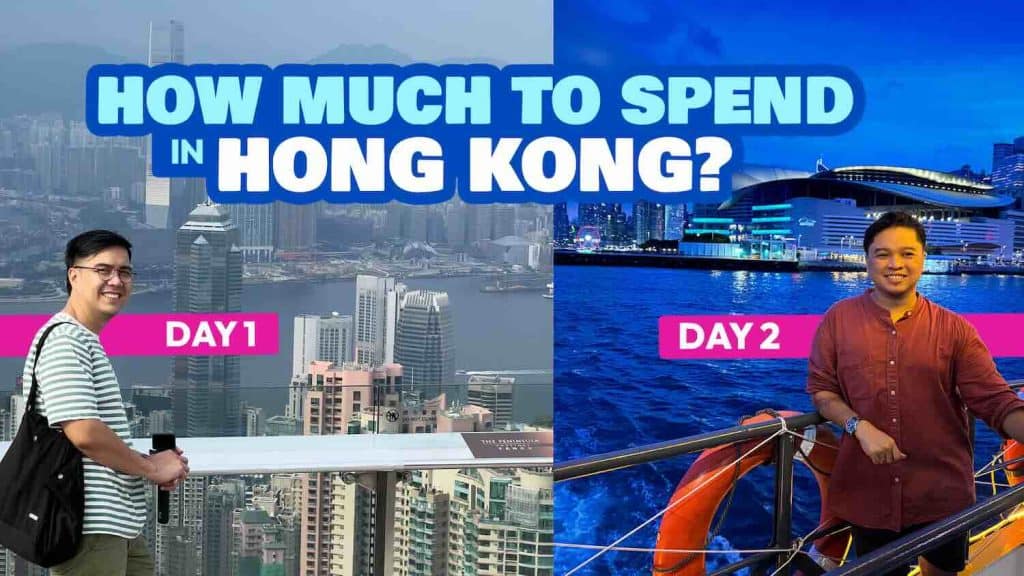
If you’re headed to Hong Kong and feeling overwhelmed about building your own itinerary, don’t worry — we’ve got you covered! Planning your Hong Kong trip doesn’t have to be stressful, even if it’s your first time. In this article, we’ll walk you through a detailed, step-by-step Hong Kong itinerary that is easy to follow, complete with a full budget breakdown!
This sample itinerary will take you to some of the city’s most popular tourist attractions, ideal for first-timers (aka the classics). It also assumes you’re arriving in the morning of Day 1 and departing in the evening of Day 4, and you’re staying at a hotel or hostel in or around Central or Sheung Wan.

WAIT, WAIT, WAIT! If your are traveling soon and still on the planning stage, you can also visit our The Poor Traveler Masterlist. Here, we compiled travel essentials, including immigration requirements and all our recommended hotels and tours. Just visit this page: TPT Masterlist. We have a compilation for destinations around the world.
DAY 1: ARRIVAL & VICTORIA PEAK
Hong Kong Airport to Hotel
After landing at the Hong Kong International Airport and clearing Immigration check, make sure to withdraw cash from ATMs and pick up your Octopus Card, especially if you purchased them online beforehand.
Then, follow the signs to the buses out of the airport. Since we’re assuming you’ll be staying in Central, find the pick-up spot for Bus A11.
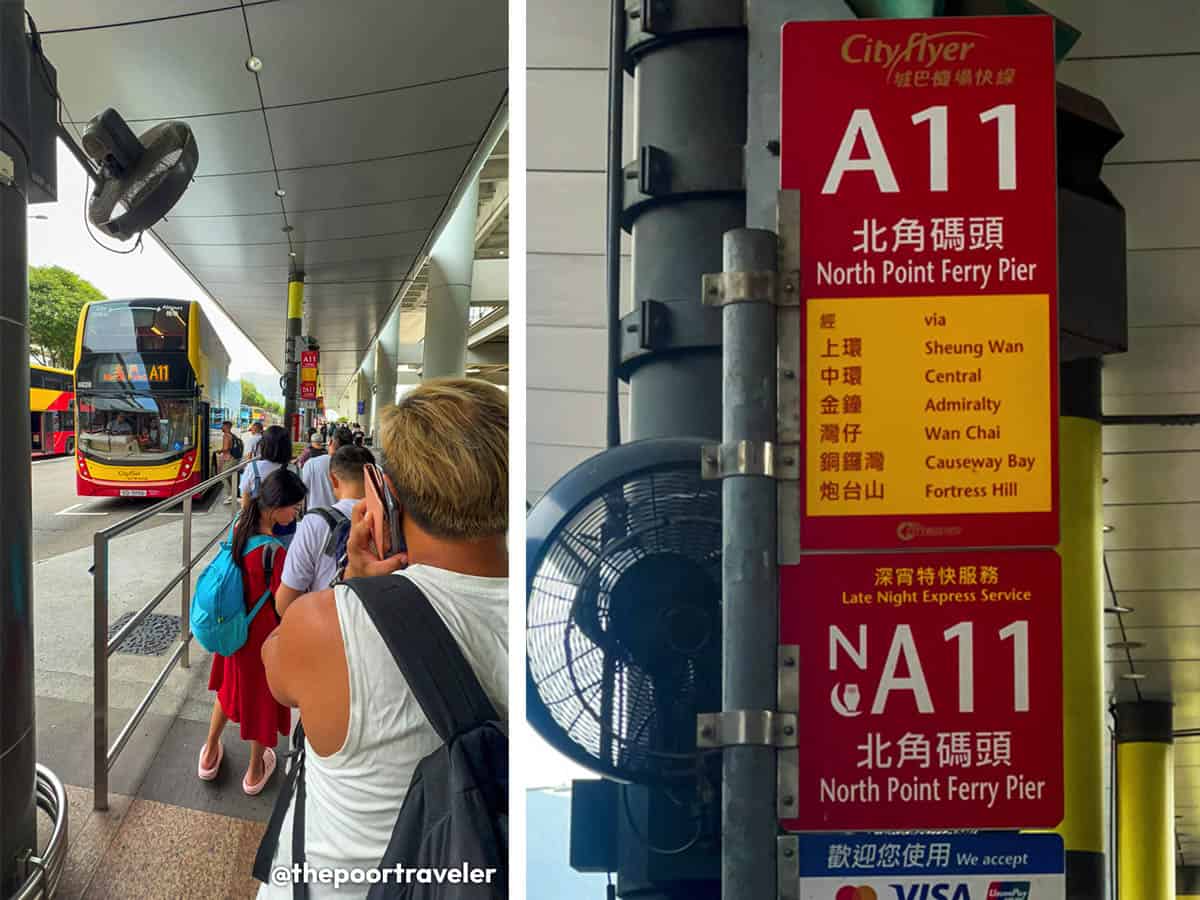

✅ If you don’t have accommodations figured out yet, book with AGODA and get up to P5800 (USD 100) discount. Just visit www.thepoortraveler.net/agoda to redeem the discount voucher. Or enter the promo code AGODATPT on the Coupons tab of the Agoda app. Then, after choosing a hotel and room, enter AGODATPT again upon check out. It has to be all caps. It will give you 10% OFF, capped at 100 USD or P5800 based on the current conversion.
Consult Google Maps and get off at the stop closest to your hotel. We made a more detailed article here: Hong Kong Airport to Central ✅
If it’s too early for check in, just drop your bags at the reception and just check in later. The fare is HK$ 41.90 (USD 5.37, PHP 317).
If you arrive just around lunch time, perfect. First order of business: a taste of local Cantonese cuisine.
Lunch: Luk On Kui
If your hotel is close to Luk On Kui, grab the chance. Known for its delicious Cantonese dishes and traditional teahouse atmosphere, Luk On Kui is a well-loved restaurant in Hong Kong. We actually stumbled upon this place by accident during one of our recent trips. Aside from being a popular local spot, it used to hold a Michelin Bib Gourmand citation back when it was still named Lin Heung Kui.
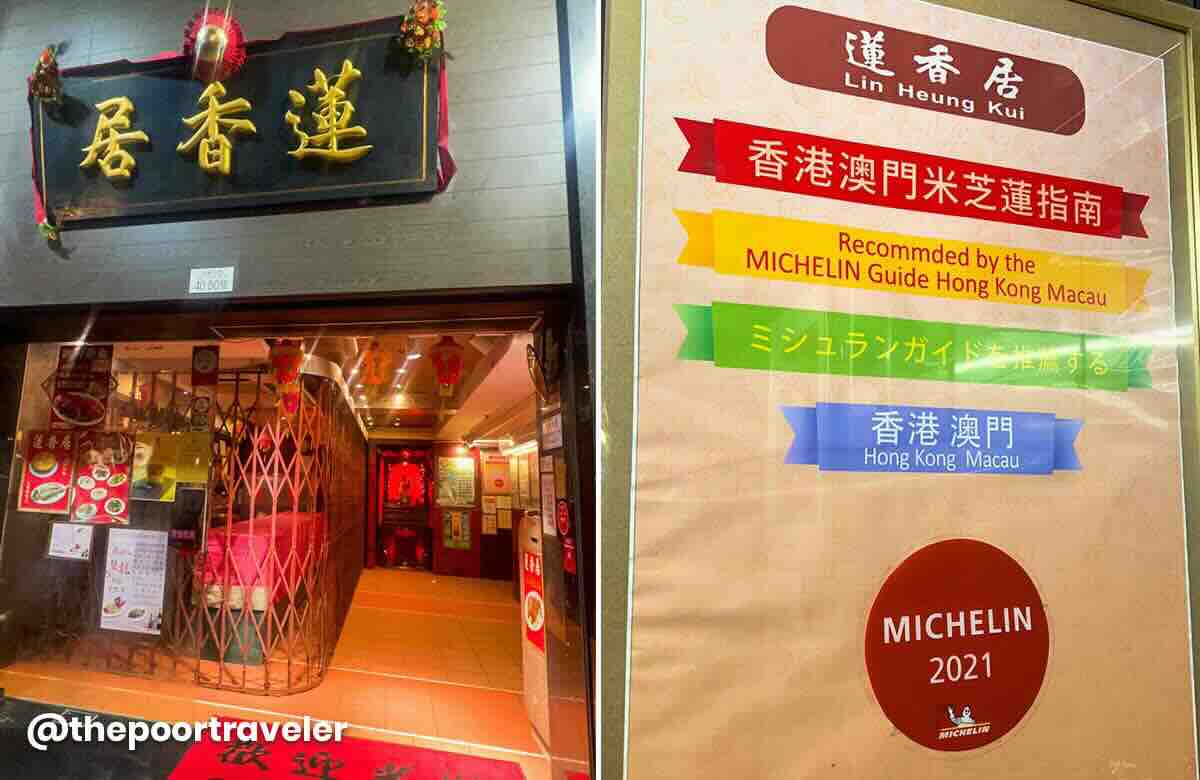

While it is open until 10 PM, their signature dim sum usually sells out past lunch time. They also offer rice toppings from 10:00 AM to 4:00 PM for as low as HK$ 55. From 2:30 PM to 4:00 PM, they also serve noodle toppings starting at just HK$ 39, making it a great option for an affordable yet satisfying meal. We actually didn’t make it in time, so we ordered the full, group plates that are for sharing, not the cheaper individual portions.
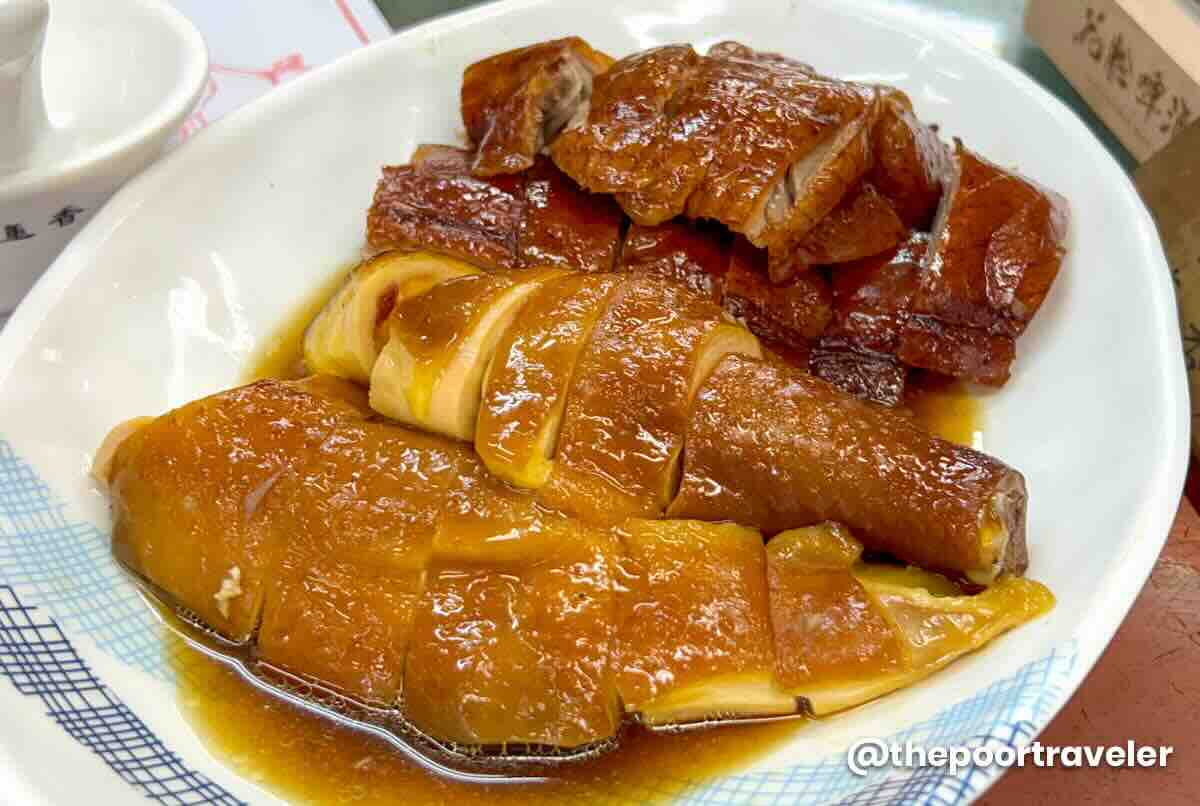
The meats were absolutely delicious! The chicken was juicy and tender, while the goose, which is often dry and bony in my experience, was surprisingly moist and fatty. It was a little greasy, but in the best, most indulgent way.

The restaurant is located on the third floor of the building, and stepping inside feels like entering a classic Cantonese teahouse, complete with push carts. Most of the customers were elderly locals, and while the staff didn’t speak much English, they were incredibly warm and patient. Even the front desk staff was very friendly, making the entire experience enjoyable.
After a satisfying local lunch, it’s time to get to Victoria Peak. And to get there from here, ride the Kennedy Town to Happy Valley Tram and alight at Murray Road. The travel time is around 12 minutes, and the fare is HK$3.3 (USD 0.42, PHP 25).
Then, walk for seven minutes all the way to the Peak Tram Lower Terminus.
Peak Tram
The Peak Tram is one of Hong Kong’s most iconic experiences and the most popular way to reach Victoria Peak among tourists. As the tram climbs steeply up the hillside, the city below seems to tilt at impossible angles, making the ride an attraction in itself. It’s quick, dramatic, and sets the tone for your Hong Kong trip with immediate skyline views.
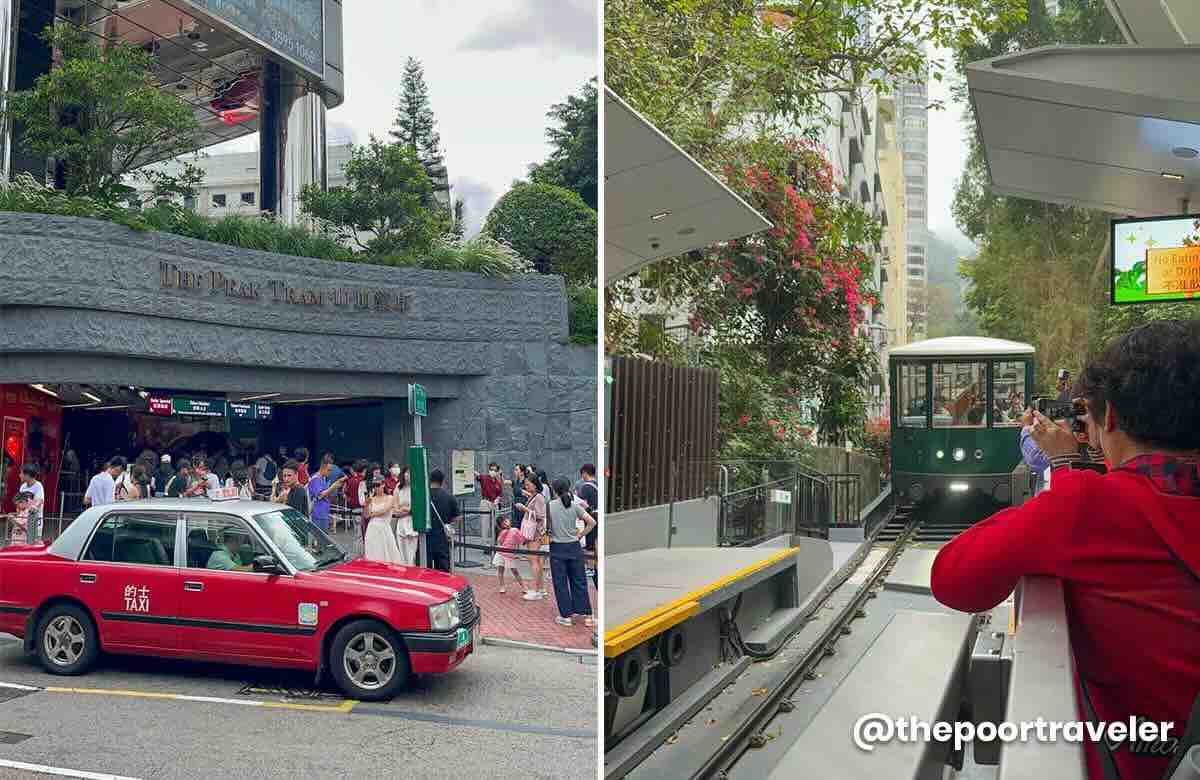
You can book just the peak tram, but you can also get the bundle with Sky Terrace 428, which ends up cheaper than booking separate tickets.
Sky Terrace 428
Sky Terrace 428 offers the highest public viewing platform in Hong Kong—and arguably the city’s best view. From here, you get a sweeping panorama of Victoria Harbour, Hong Kong Island, and Kowloon, all in one frame.
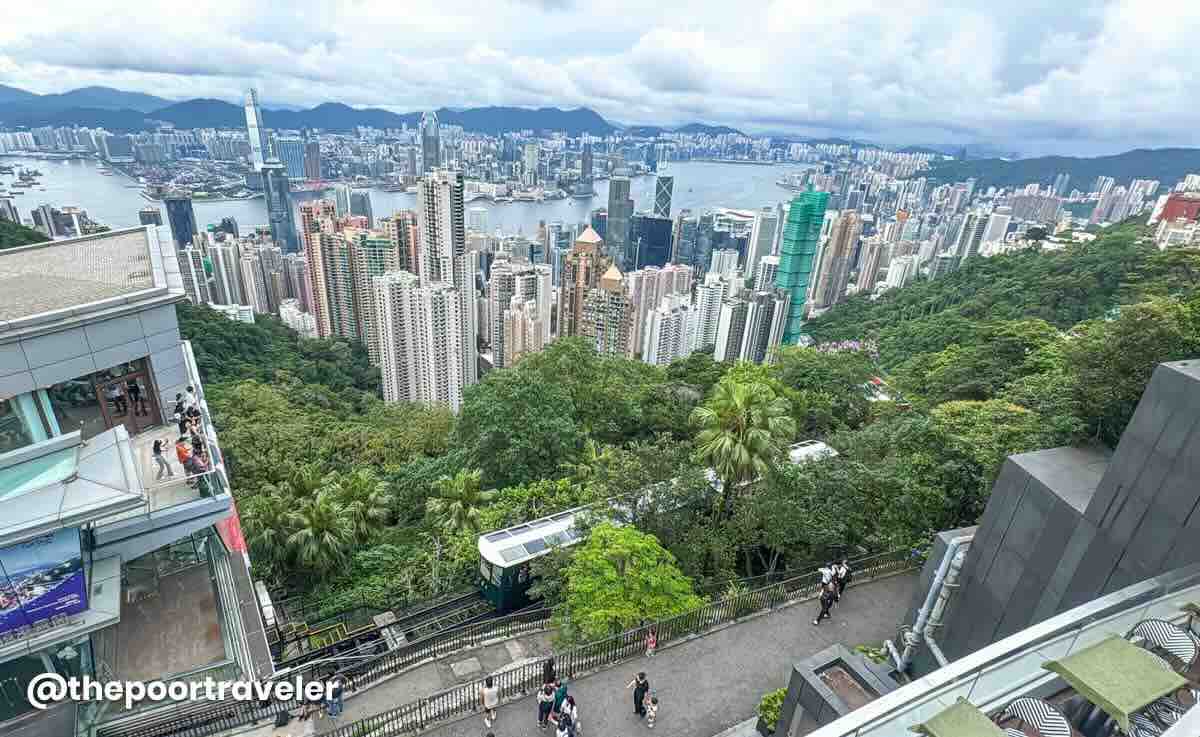

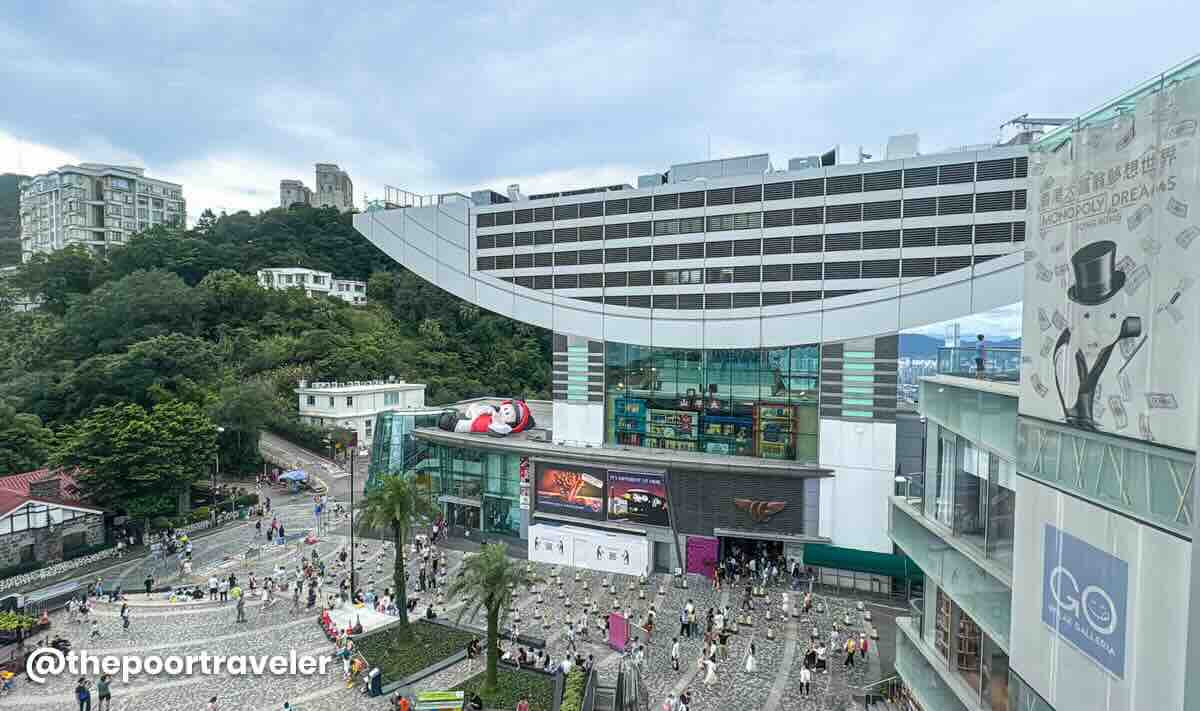
The Terrace serves as the lid of the Peak Tower, which is shaped like a wok. The Peak Tower is more like a mall with cafes, shops, and other attractions like Madame Tussaud’s.
Just across it stands The Peak Galleria, also a mall filled with dining and shopping options. On the top level, you’ll find Monopoly Dreams. It also has its own viewpoint, which is free of charge. There are other lookouts around the area.

But a word of warning: If you’re visiting in winter or early spring, watch the weather and allocate a lot of time here, just in case it gets foggy. The last thing you want is pay the entrance fee to a viewpoint only to find the view completely covered by fog. It’s usually a problem from January to April.
I like arriving here in the late afternoon so I can appreciate the view in the daytime, at sunset, and at night. I find it extremely satisfying to watch the city transition from golden hour to full neon glow.
Once you’ve had enough of the view, take the Peak Tram again back to the lower terminus.
Central
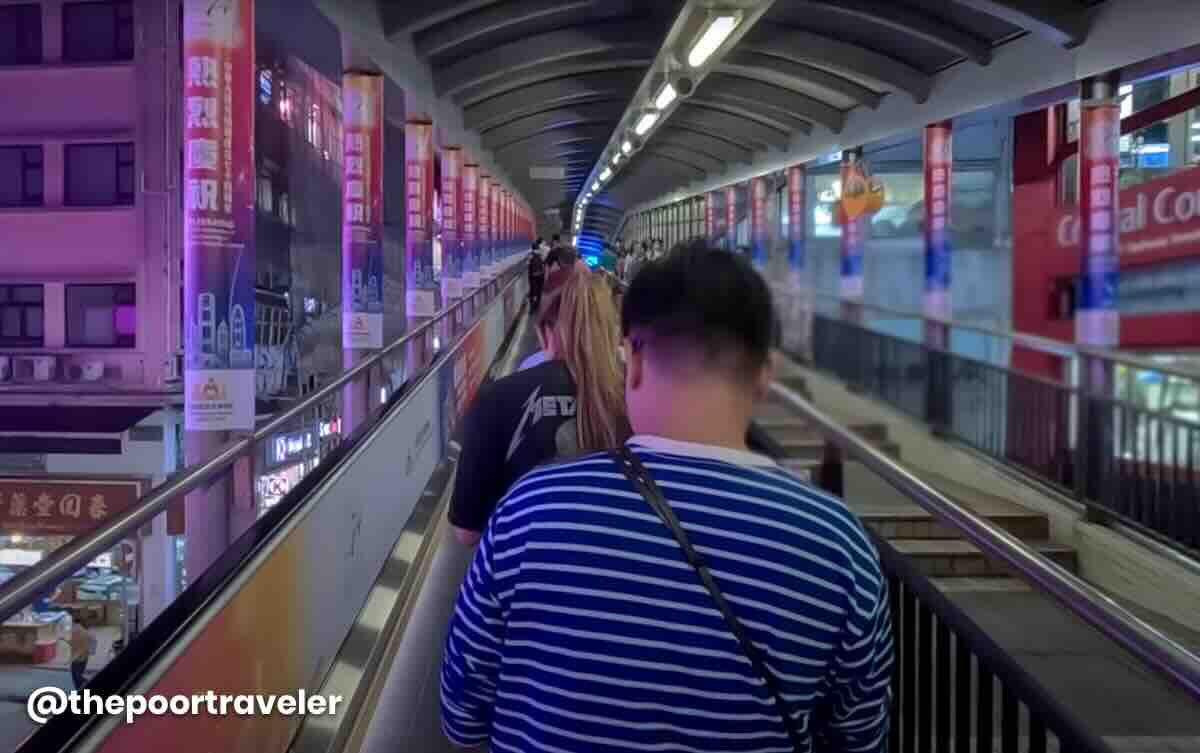
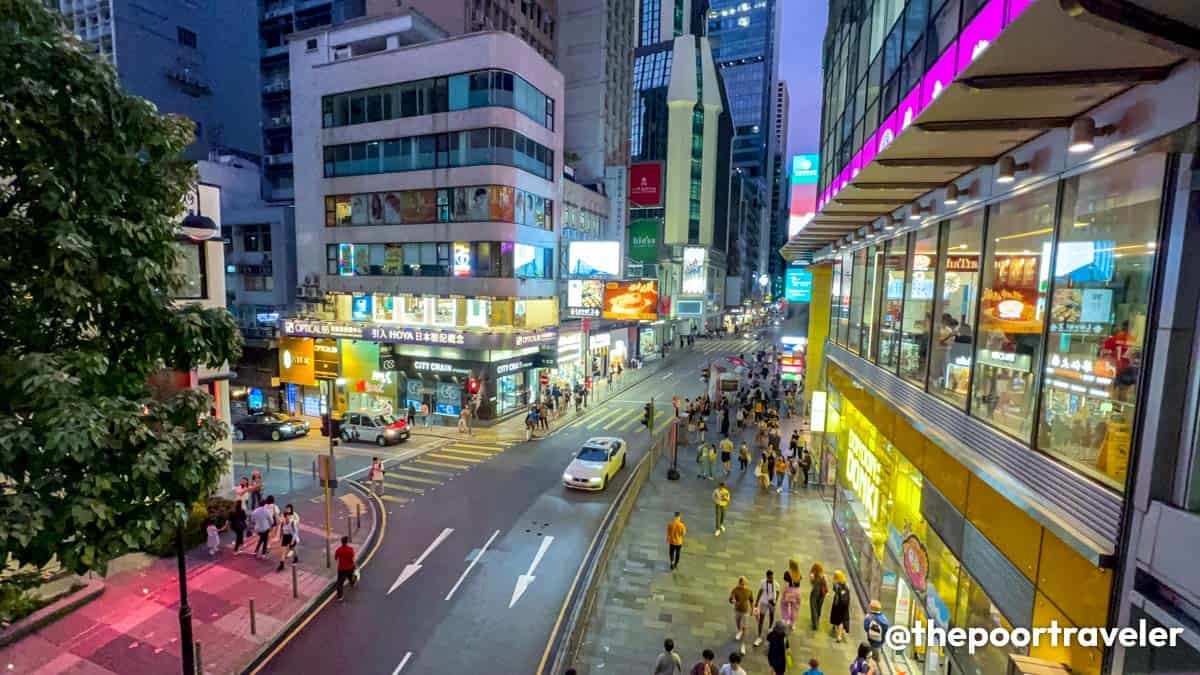
Central is the heart of Hong Kong’s energy, where old meets new at every corner. Ride the Mid-Levels Escalators, the world’s longest outdoor covered escalator system, and explore side streets filled with cafes, food spots, and hidden attractions. After dark, Central comes alive with rooftop bars, street-level nightlife, and people spilling out onto the sidewalk, perfect for wandering without a strict plan.


By the way, for a hassle-free experience navigating the streets of Hong Kong, make sure you have Internet connection. If you prefer using an eSIM, you can get it from Airalo, the world’s first and largest eSIM marketplace, with data plans for over 200 countries and regions.
You can purchase or install the eSIM even before the trip. The validity period only starts when you activate it and use it to connect to the internet. You will be guided accordingly. There will be instructions that are very easy to understand.
If your phone is locked-in to your service provider in the Philippines, you might not be able to use it. It’s also subject to device compatibility, but the app will tell you if it’s compatible to your device.
TIP! If you decide to purchase it from Airalo, use our promo code TPT3 to get $3 OFF for your first eSIM! That’s P175.50 based on the current exchange rate. That’s a big discount! NO EXPIRATION: New users can redeem this code anytime. One-time use only.
Dinner: Tsim Chai Kee
End the day with a proper local meal at Tsim Chai Kee, one of Central’s most famous noodle shops. It has multiple stores across the city, but the one along Wellington Street has a Michelin Bib Gourmand recognition, so expect the lines to get really long, especially during lunchtime. Fortunately, there are other branches to check out.
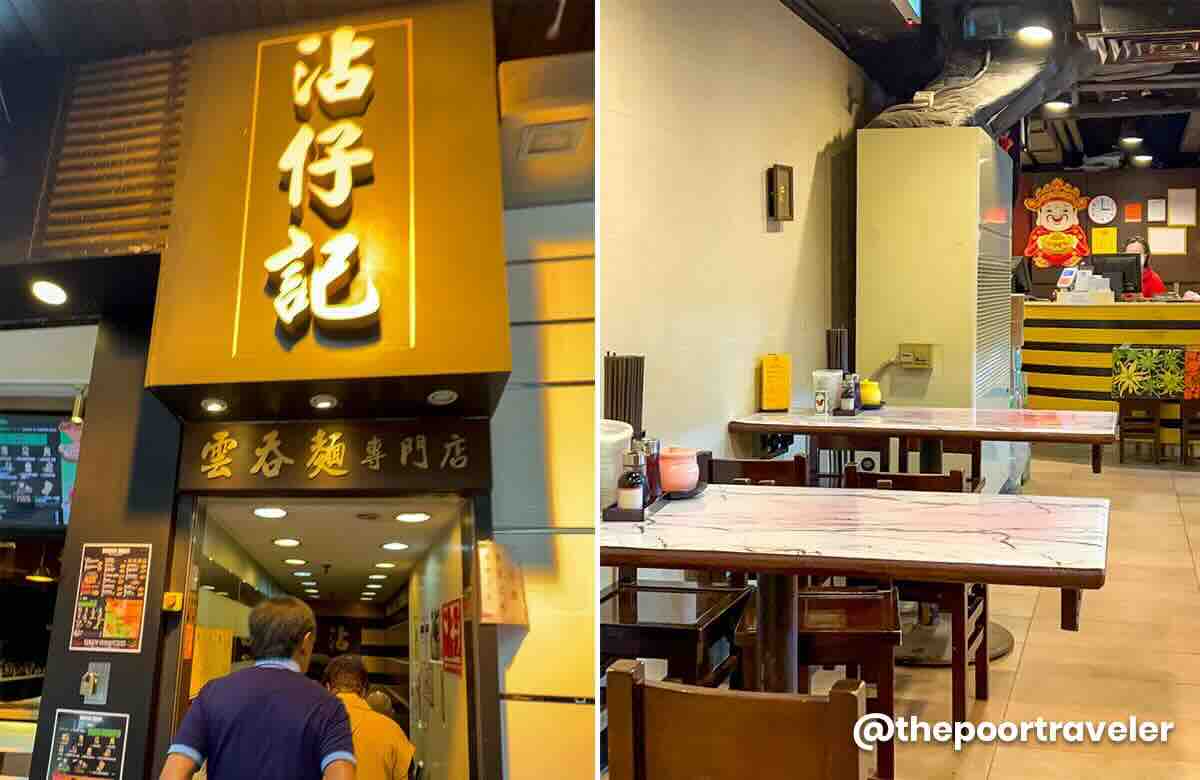
We tried the Queens Road Central branch, which is located in a basement. Tsim Chai Kee is famous for its noodle soup, with rich broth and springy noodles. Their freshly made egg noodles are perfectly bouncy. You can choose from a variety of toppings, including fish balls, sliced beef, and their signature pork and king prawn wontons. You can also opt for a combination of toppings, but the broth remains the same — simmered for at least five hours daily to develop deep shrimp and fish flavors with just the right level of saltiness.

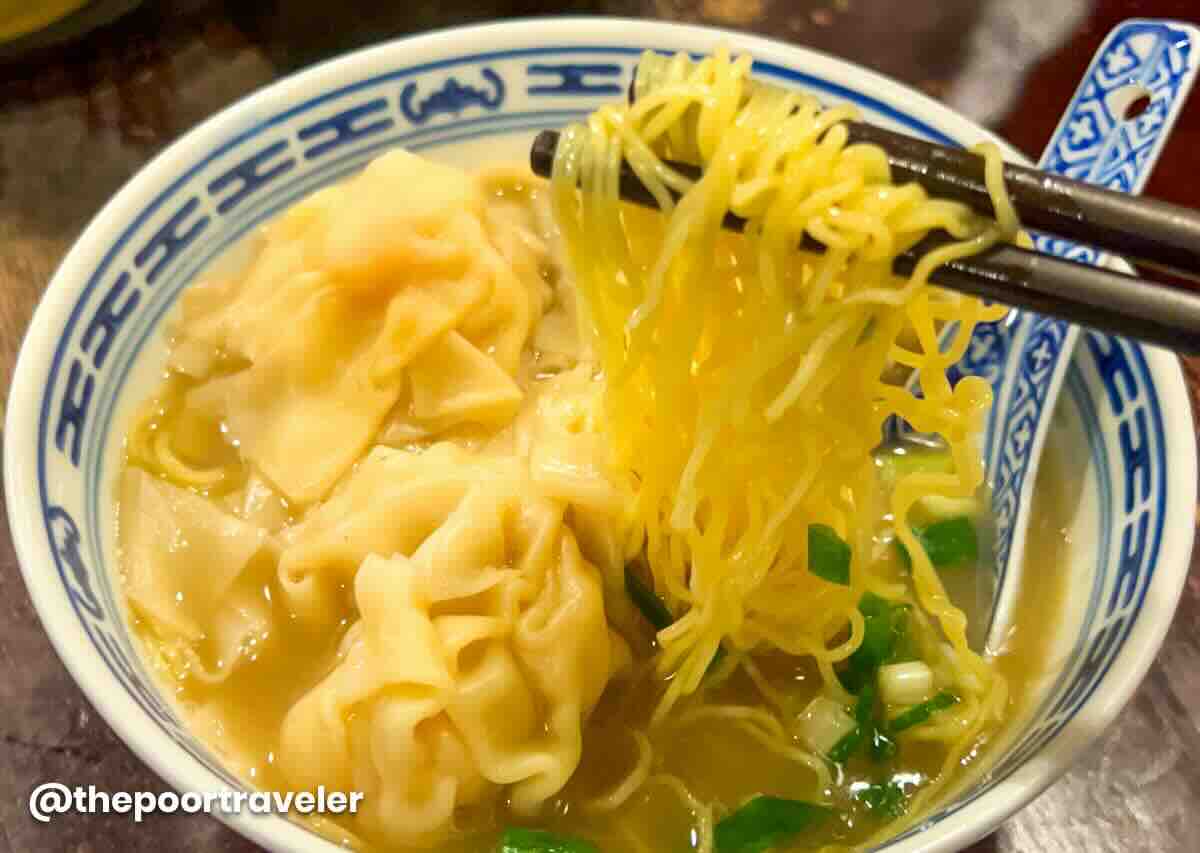
We had the wonton noodle soup, and the prawns inside were outstanding. Despite the filling also containing pork, the prawn flavor still stood out. It’s easily one of the best noodle soups we’ve had, and at just HK$ 40 (around P300) per bowl, it’s a great deal. In Hong Kong’s pricey restaurant scene, P300 is considered cheap, so don’t be too shocked by meal prices when dining out here!
It’s a no-frills spot that is all about flavor over comfort. Service is fast, seating is tight, and the food is worth it.
After a soulful dinner, find a grocery or convenience store and purchase breakfast items for the rest of your stay, before going back to your hotel and calling it a day.
DAY 2: HONG KONG DISNEYLAND
It’s DAY 2! Wake up early, probably around 6:30 or 7:00 AM, because today, we’re headed to the happiest place on earth — Hong Kong Disneyland!
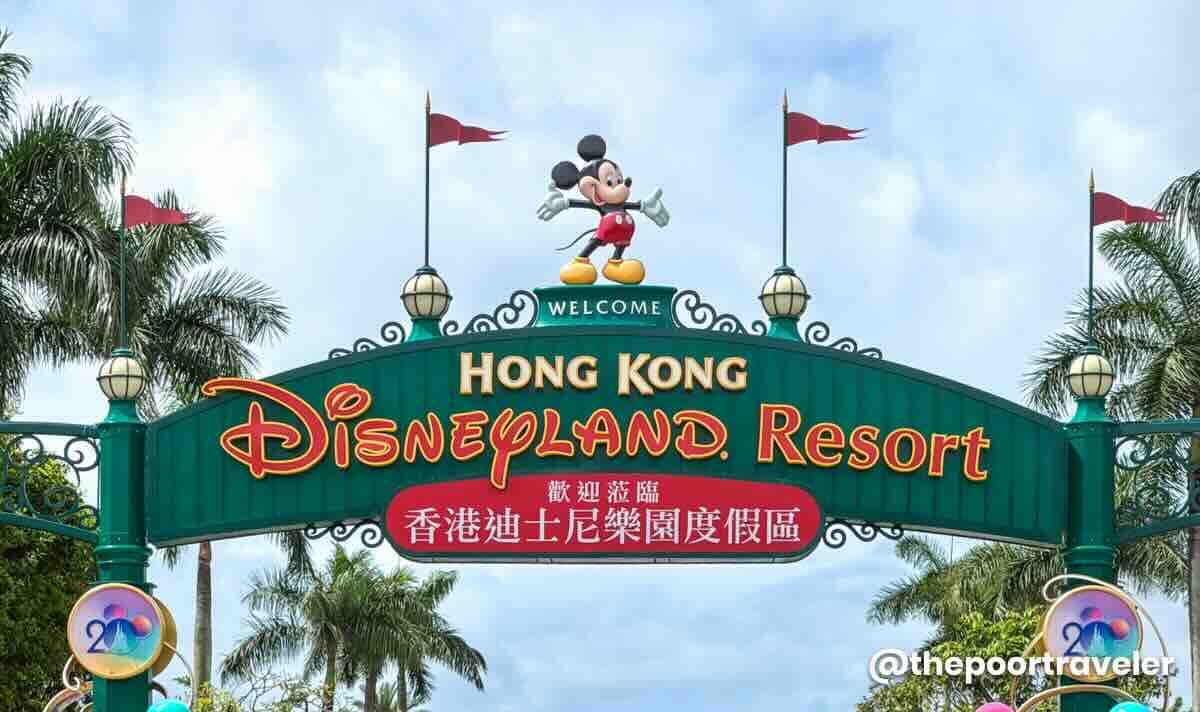

It is highly recommended that you purchase Disneyland tickets in advance because they monitor and limit the number of visitors on any given day. Walk-in is possible but only if it’s not sold out.
The cost of a basic 1-day ticket ranges from HK$ 560 to over HK$ 900, depending on the tier, which is based on the demand, day of the week, and season.
Anyway, let’s head to Disneyland! Take the MTR to Disneyland Resort Station. From Central/Sheung Wan Station to Disneyland Resort Station, the fare is HK$ 27.9 (USD 3.6, PHP 211).
On your way there, if you’re on a budget and you pass by a convenience store, purchase a bottled drink (maybe water, iced tea, or soda) and some individually portioned snacks. They’re allowed inside as long as they’re sealed and properly packed. That is, if you don’t want to spend much on food inside the park, because I’m telling you, it is expensive!
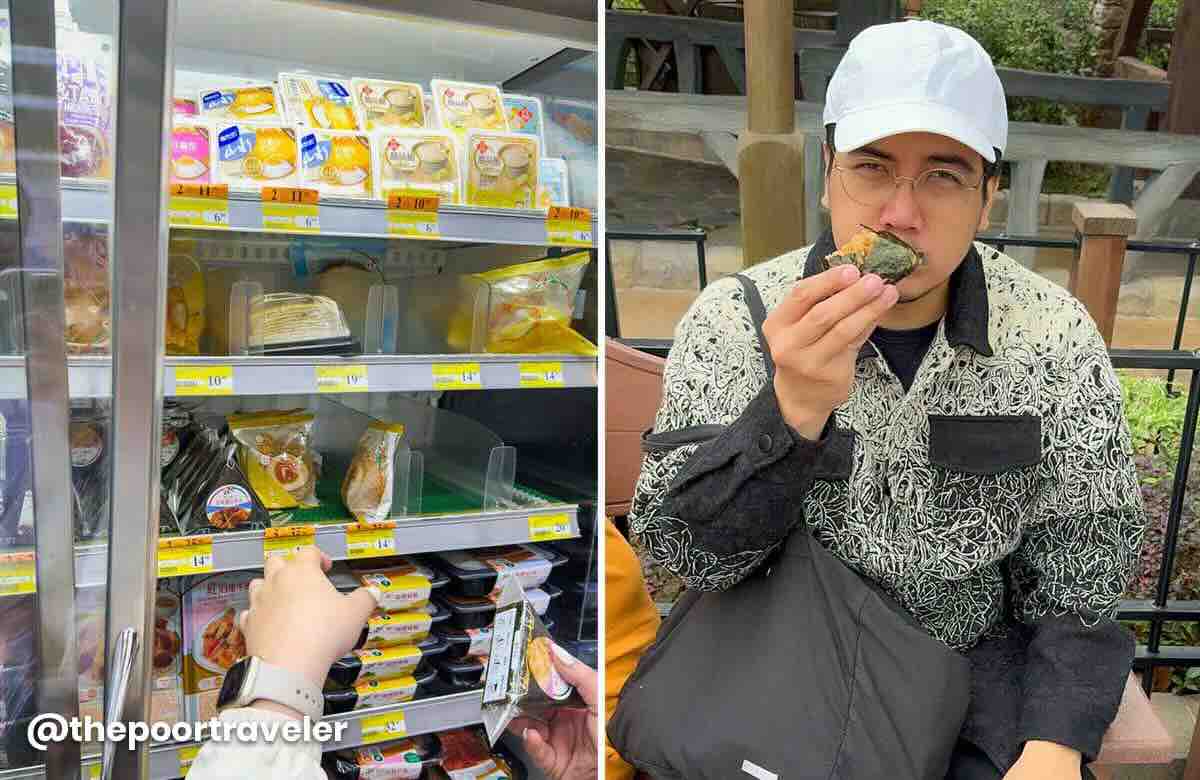
But if you have some dough to spend, go ahead. Food is part of the Disney experience anyway.
For lunch, I always go for the soba meal at Starbucks. And for dinner, the fried chicken meal at Starliner Diner.
✅ We have a lot of articles about Hong Kong Disneyland, including a sample walking route inside the park so you can maximize your time! You can find them here:
At night, don’t miss the light and fireworks display called Momentous: Party in the Night Sky or Momentous Nighttime Spectacular.
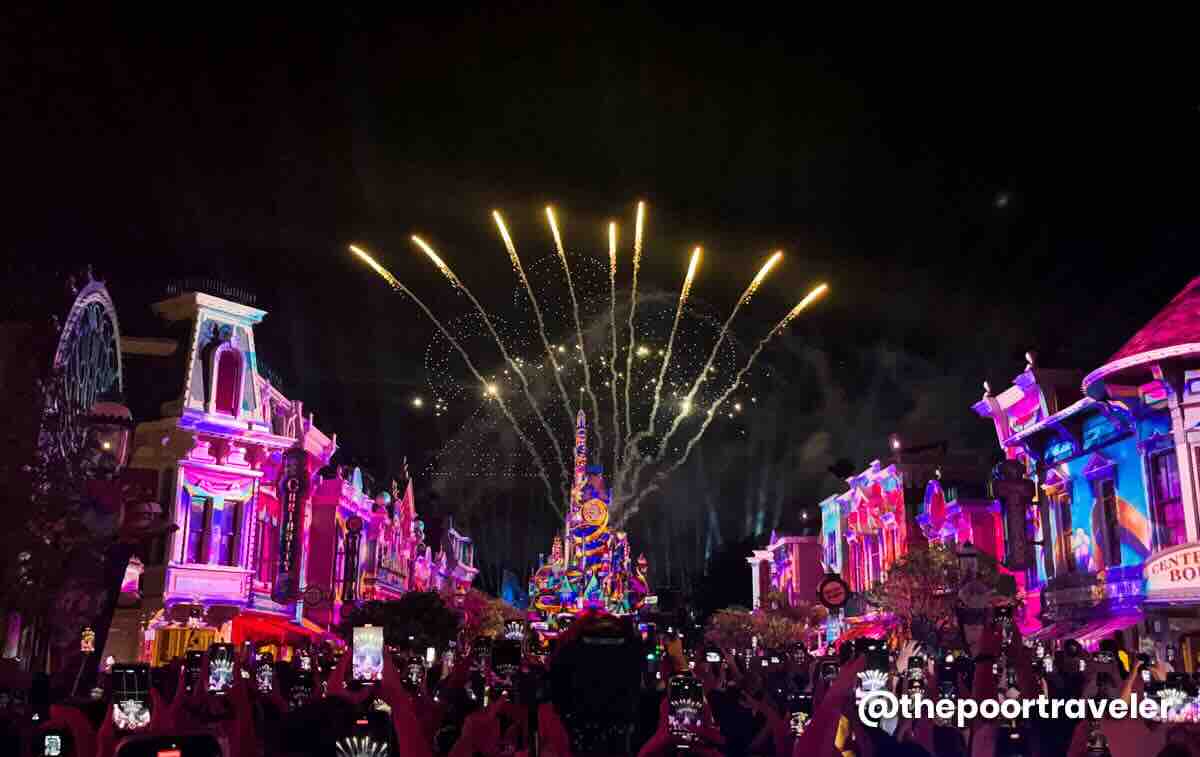

When it’s over, you can wait a bit and let the crowd pass. Then, take the MTR again back to your hotel.
It’s a long day, but absolutely worth it!
DAY 3: KOWLOON
Day 3 is all about experiencing Hong Kong beyond the skyline — mixing temples, world-class museums, harbor views, and classic street markets, all in one fine day.
Man Mo Temple
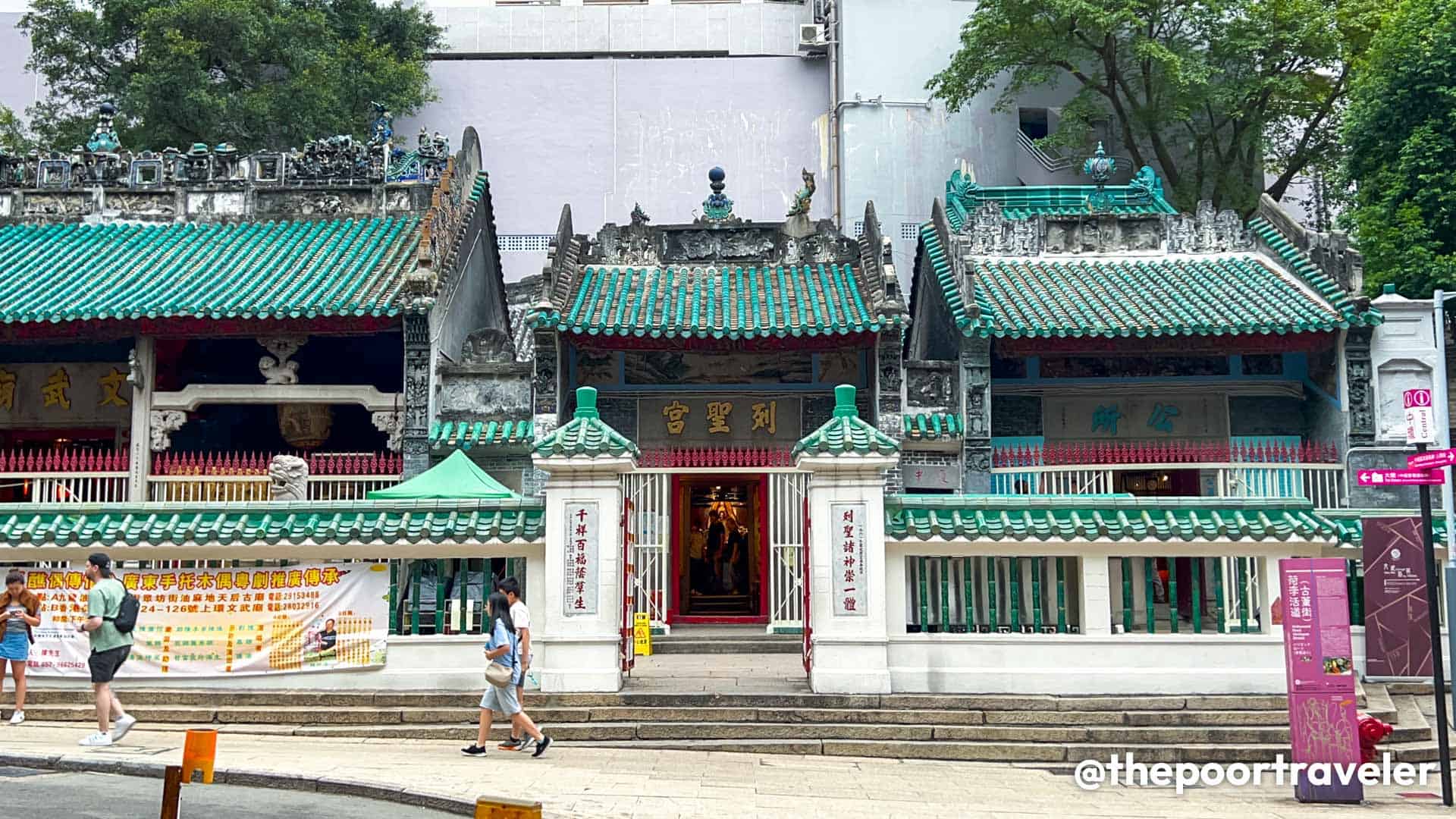

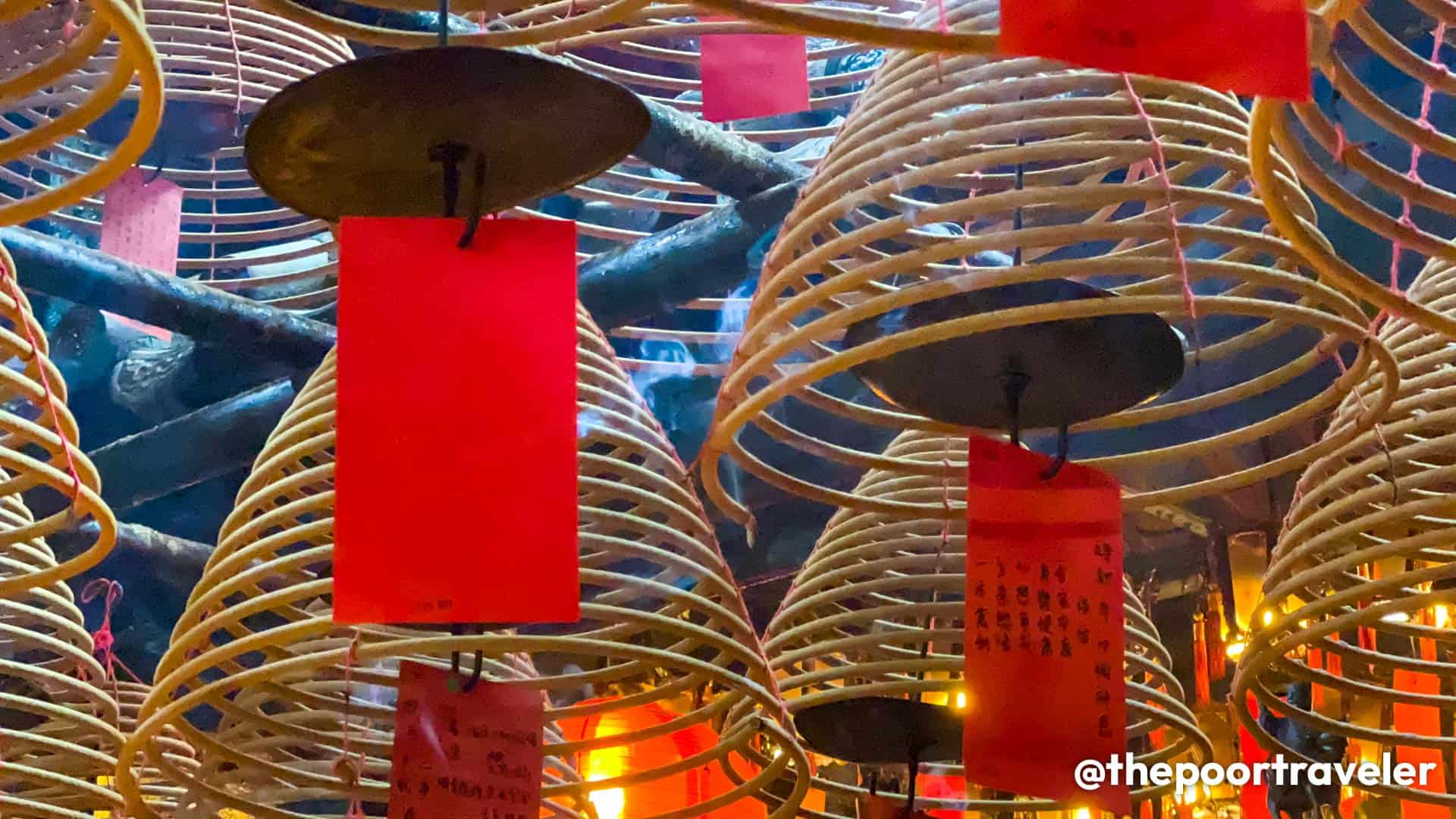
Start the morning at Man Mo Temple, one of Hong Kong’s oldest and most atmospheric temples. Dedicated to the gods of literature (Man) and war (Mo), this quiet sanctuary feels worlds away from the surrounding city streets. Inside, giant spiral incense coils hang from the ceiling, filling the space with smoke and a faint woody scent. It’s a peaceful place to slow down, observe local rituals, and get a glimpse of traditional Hong Kong before the city transformed into a modern metropolis.
After reflecting at the temple, take the Shek Tong Tsui-North Point Tram to Jubilee Street. The travel time is three minutes, and the fare is HK$ 3.3 (USD 0.42, PHP 25).
From there, walk to the MTR Hong Kong Station and look for Tim Ho Wan for an early lunch.
Lunch: Tim Ho Wan – Hong Kong Station
You’re probably already familiar with Tim Ho Wan, especially since it’s also available in the Philippines. Once known globally as one of the most affordable Michelin-starred dim sum chains, Tim Ho Wan is a reliable introduction to classic Cantonese dishes. Today, only their Sham Shui Po branch has a Michelin nod, a Bib Gourmand. But we’ll be passing by a branch here at Hong Kong Station, so we’ll settle here.
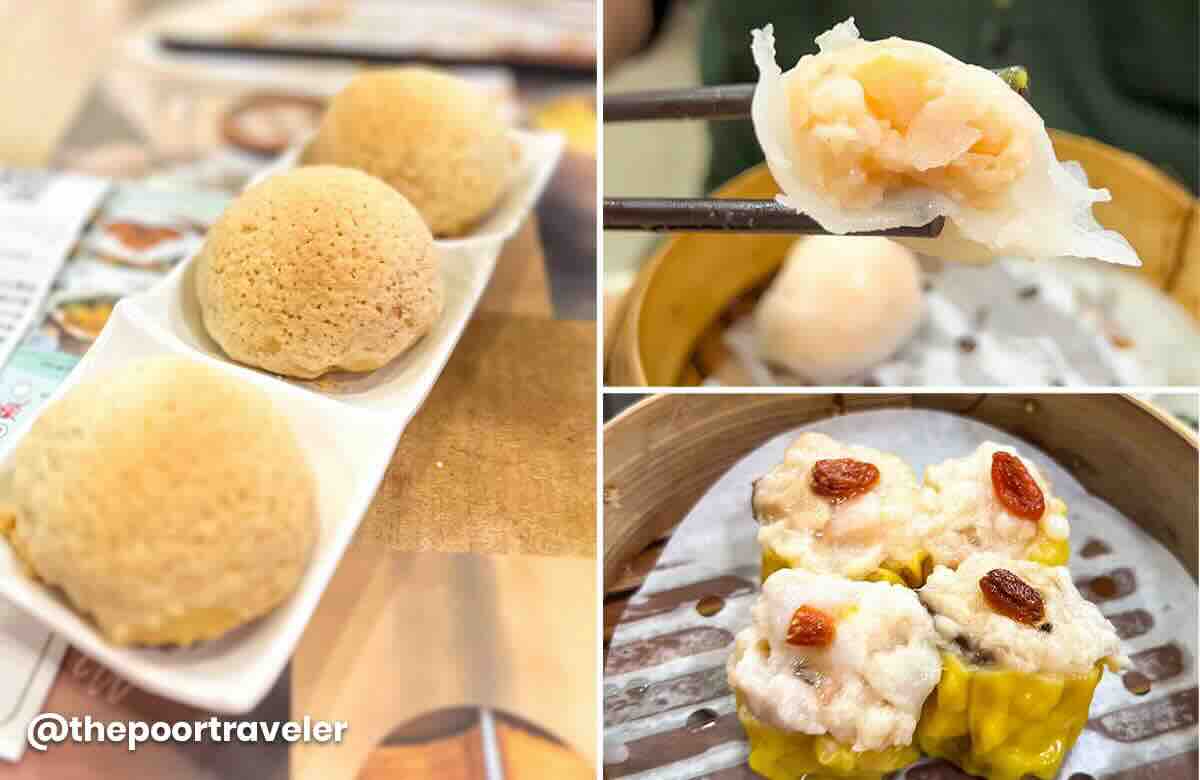
Tim Ho Wan’s baked BBQ pork buns (HK$ 35 for three pieces) are the main event, but the menu is packed with simple, well-executed favorites, mostly dim sum (HK$ 30-42) like siu mai, which was meaty and tender; and beancurd rolls, which were filled with pork and vegetables then doused with oyster sauce.
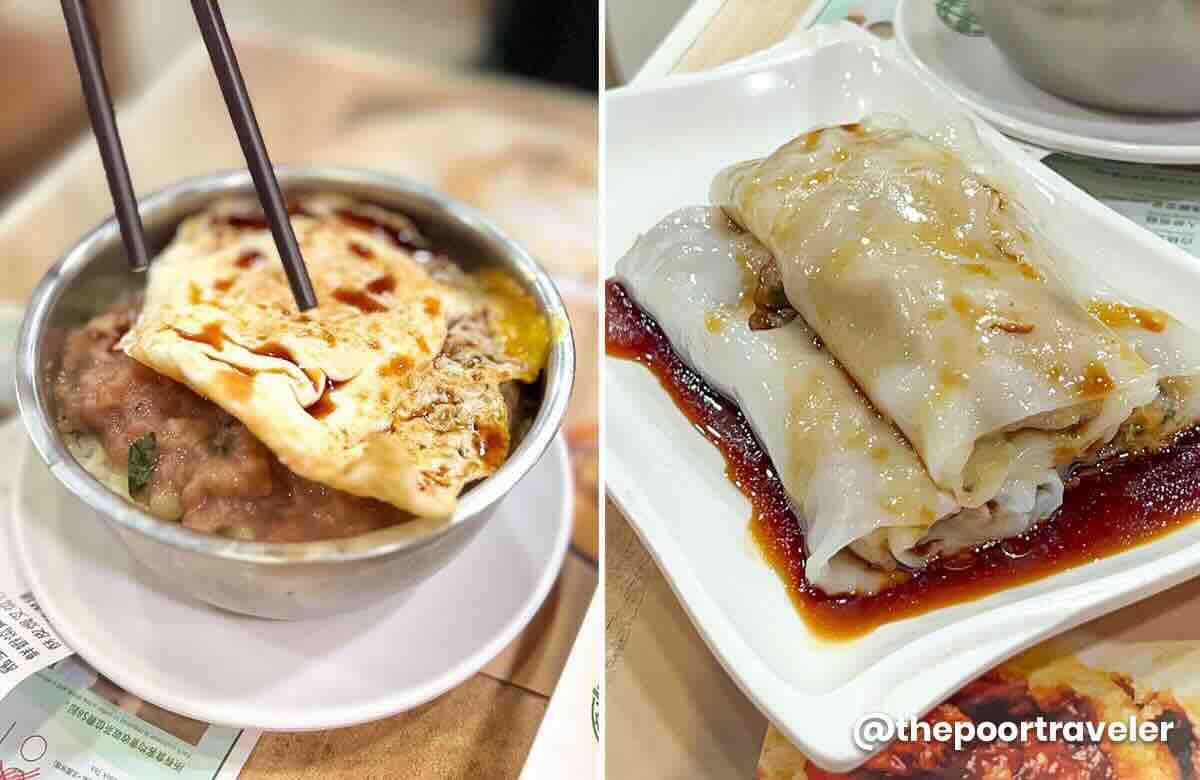
On another occasion, we also explored a few more dishes from the menu, including a rice bowl topped with minced beef and fried egg (HK$ 42) and rice noodle rolls with pig’s liver (HK$ 32). The rice noodle rolls were soft and not rubbery, with the pig’s liver having no unpleasant aftertaste. It paired wonderfully with the soy-based sauce. The texture was a bit unusual since the liver and noodle rolls were both soft, but it still made for a tasty dish.
After a good, light lunch, take the MTR to Kowloon Station. Fare is HK$ 10.6 (USD 0.13, PHP 80). Then, walk for eight minutes to our next attraction.
M+ Museum
Spend the early afternoon at M+ Museum, Hong Kong’s flagship museum for contemporary visual culture. This massive waterfront space focuses on modern art, design, architecture, film, and digital media, with exhibitions that reflect both Hong Kong’s identity and global creative movements. Plan to spend at least two hours to properly explore the galleries at your own pace. The entrance fee is HK$ 190.
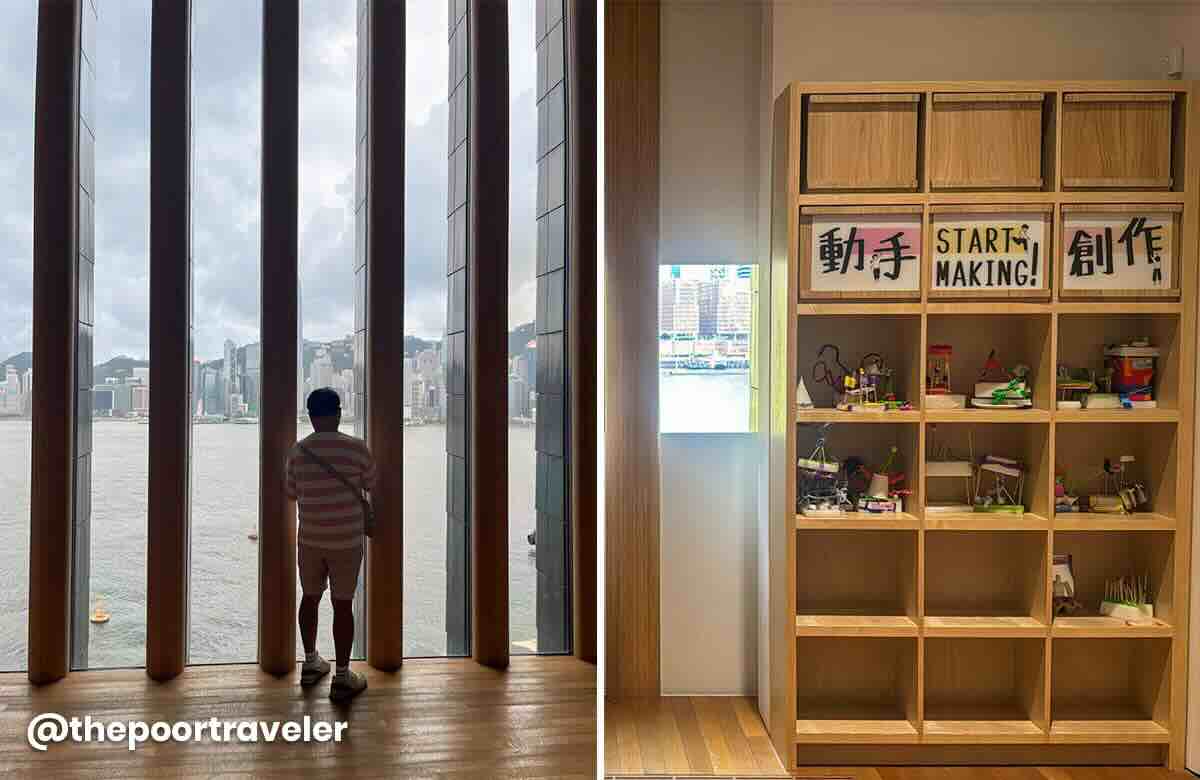
After an afternoon at the museum, walk to the Hong Kong Water Taxi Station. Ideally, board the 3:30 PM sailing to catch the Premium ferry at the West Kowloon pier. This way, you get better, uninterrupted views of both Hong Kong Island and Kowloon’s skyline, making it one of the most relaxing ways to move between attractions. The regular ferry fare is HK$ 30, while the premium ferry is HK$ 50.
The ferry’s first stop will be at East Tsim Sha Tsui, and you’ll be disembarking here, close to the next attraction on our list.
Avenue of Stars
The Avenue of Stars is one of Hong Kong’s most iconic waterfront promenades. It’s the city’s answer to the Hollywood Walk of Fame, celebrating Hong Kong’s legendary film industry through handprints, plaques, and statues — most famously the Bruce Lee statue.
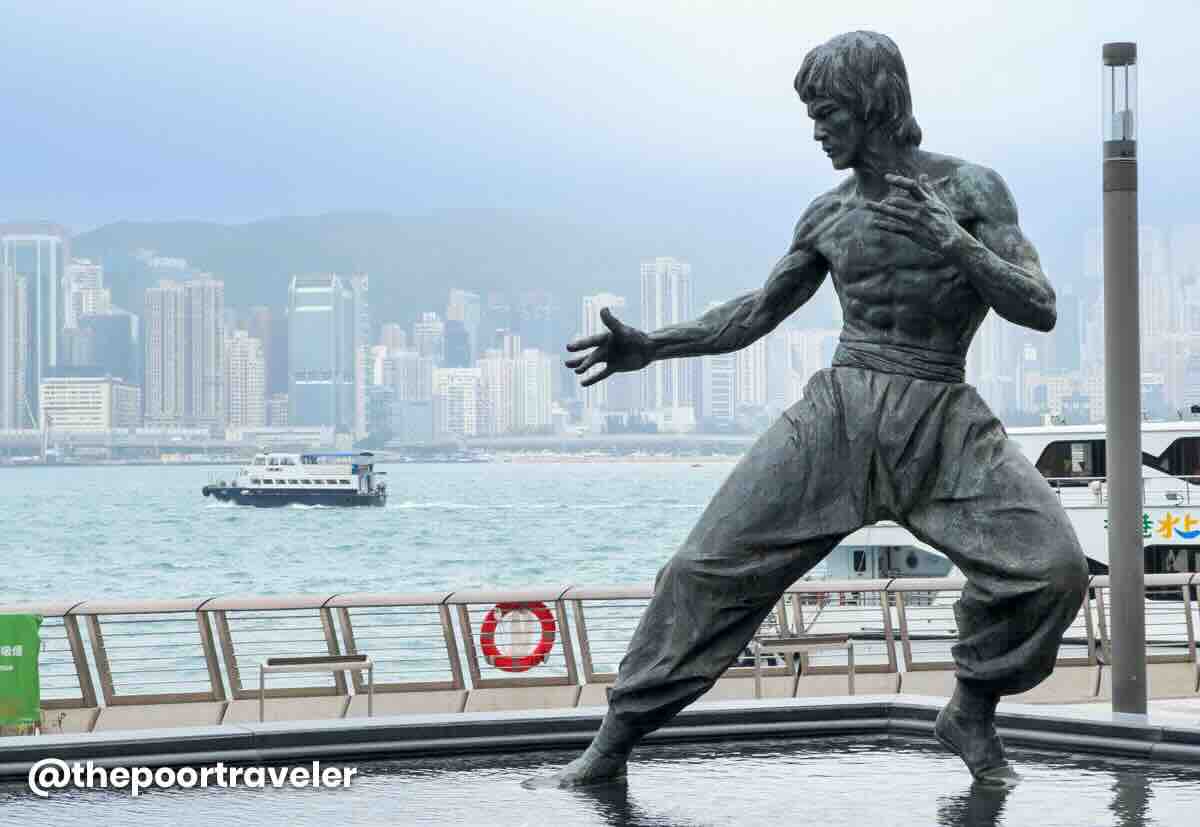

But beyond the movie references, the real star here is the view: wide-open harbour views with Hong Kong Island’s skyline rising directly across the water.
Aside from the gorgeous vista and atmosphere, it is also lined with a number of interesting attractions, many of which can be enjoyed for free or with a low entrance fee. Because everything is clustered together, it’s easy to spend an entire afternoon and evening here without feeling rushed. Here are some of them:
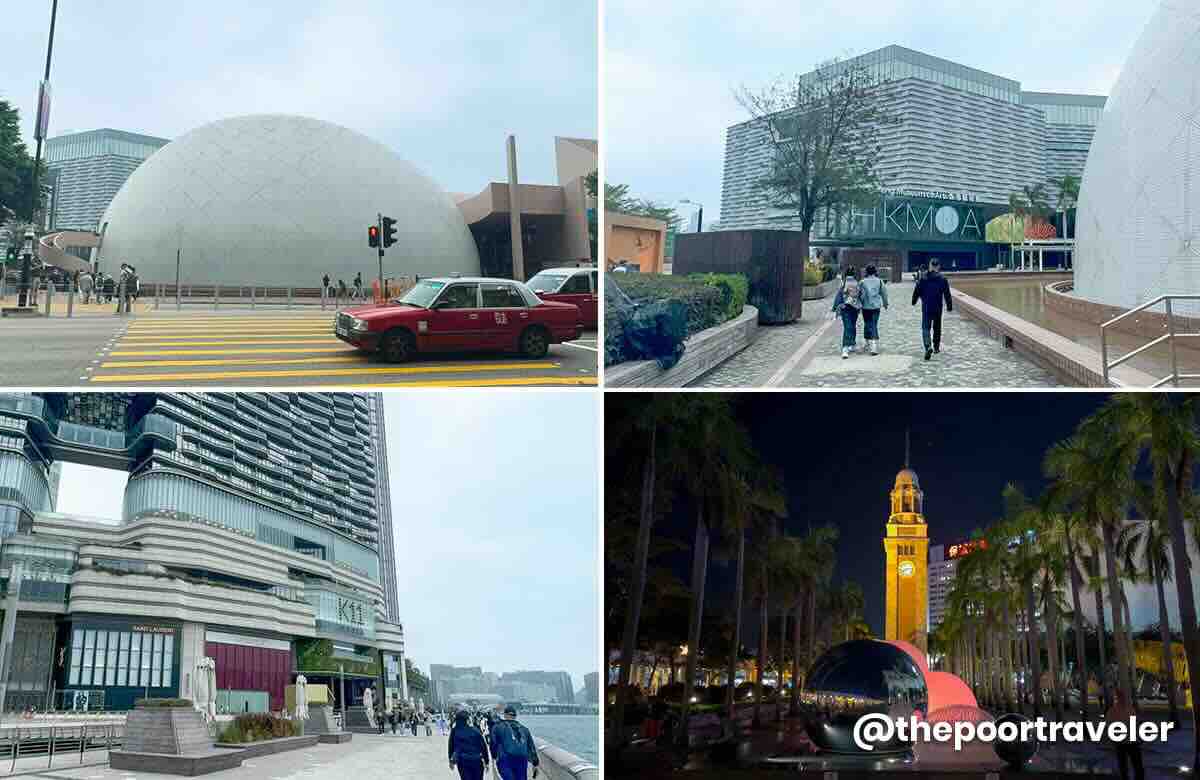
- Hong Kong Cultural Centre. One of the city’s main performing arts venues. It hosts concerts, ballets, operas, and international productions, and even if you’re not attending a show, the open plaza around it is a popular gathering spot, and its colonnade is a favorite photo spot for Instagrammers. Entrance Fee: FREE.
- Tsim Sha Tsui Clock Tower. A red-brick landmark from the early 1900s and one of the few remaining structures from the old Kowloon–Canton Railway terminus. It’s a quiet reminder of Hong Kong’s colonial-era past, offering a nice contrast to the modern skyline around it.
- Hong Kong Museum of Art (HKMoA). The city’s main public art museum, showcasing Chinese art, Hong Kong–related works, and contemporary pieces. Entrance Fee: FREE for standard exhibitions.
- Hong Kong Space Museum. An interactive science museum instantly recognizable by its giant dome-shaped building (locals literally call it “the egg”). It’s all about astronomy, space science, and technology. Great for the whole family. Entrance Fee: HKD 10.
- K11 Musea. A luxury shopping mall that feels more like an art gallery than a retail space. Even if you’re not planning to shop, it’s worth walking through for the architecture and design installations. This is a good spot for a coffee break or quick browse before heading deeper into Kowloon for dinner.
- Symphony of Lights. Hong Kong’s nightly multimedia light and sound show, officially recognized as one of the world’s largest permanent light shows. Every night at 8:00 PM, more than 40 buildings on both sides of Victoria Harbour light up in a synchronized display of lasers, LED lights, and music. I remember liking it when I first visited Hong Kong, but in my subsequent visits, I felt like it wasn’t giving as much as I remembered. I don’t know if it was the weather or bad timing, or it wasn’t amazing to begin with. To me, if you have nothing else to do, go catch it. Otherwise, no need to wait for it.
So for this itinerary, we’re not waiting for it. We’ll head over to another area here in Kowloon. Walk to the MTR Tsim Sha Tsui Station. It’s a long walk, but it really is the closest station. Then take the train to Jordan Station. Fare is HK$ 4.9 (USD 0.63, PHP 37).
From Jordan Station, walk for a few minutes, crossing a couple of blocks, to our dinner place.
Dinner: Yuan Ji Dumpling
Dinner is at Yuan Ji Dumpling, a casual spot loved for its affordable, filling meals. Dumplings are the highlight. Simple, comforting, and perfect after a full day of walking.
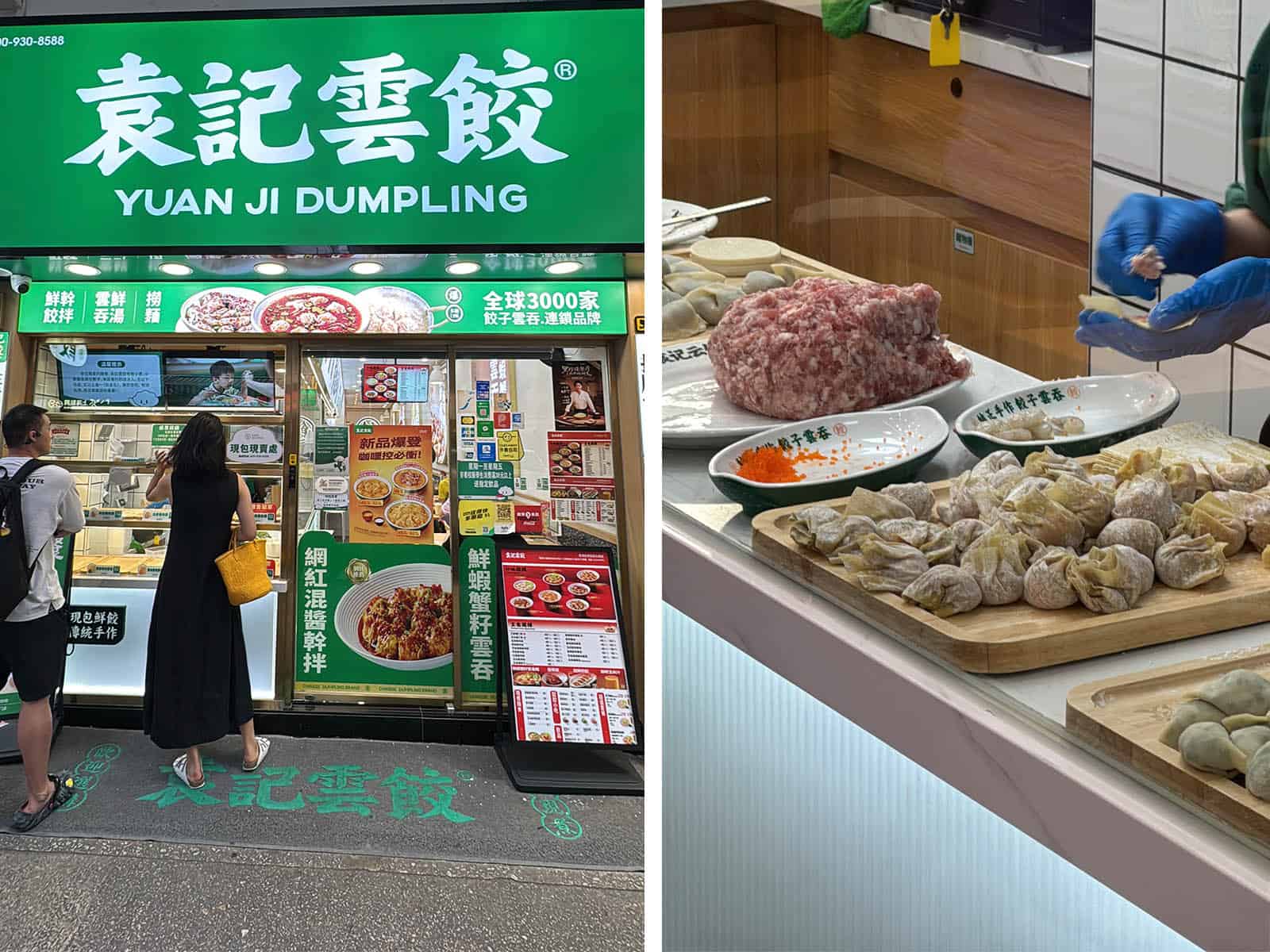

Walking in, we were welcomed by a no-frills, open-kitchen setup where you can watch the staff meticulously wrap dumplings nonstop.
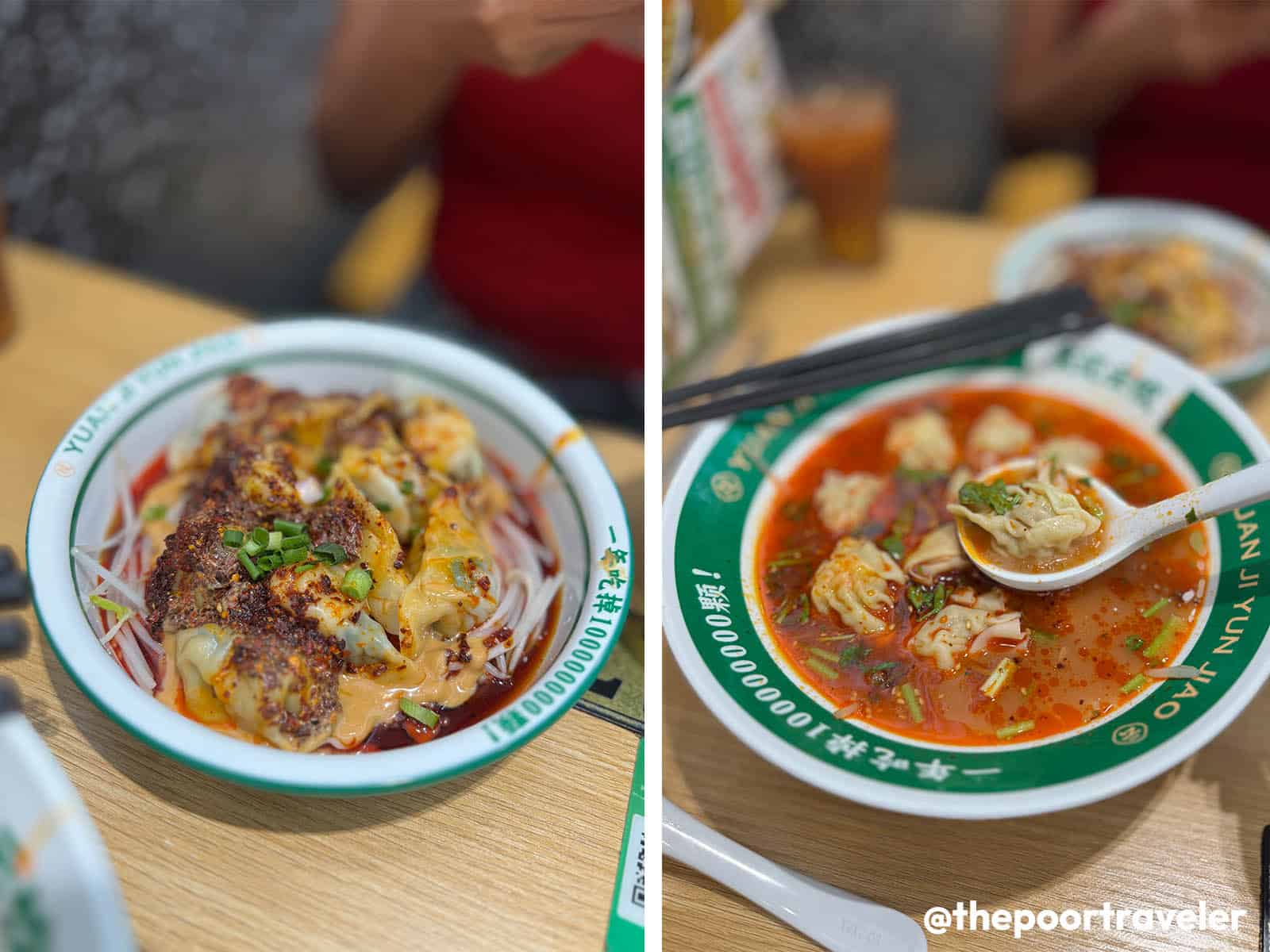
Once you’re seated, you’re handed a menu where you choose your dumpling filling, then pair it with either a sauce or a soup. Since it was our first visit, we stuck with their best-sellers. The first dish to hit the table was the shrimp, pork, chive, and wood-ear mushroom dumplings in spicy peanut sauce (HK$ 60).
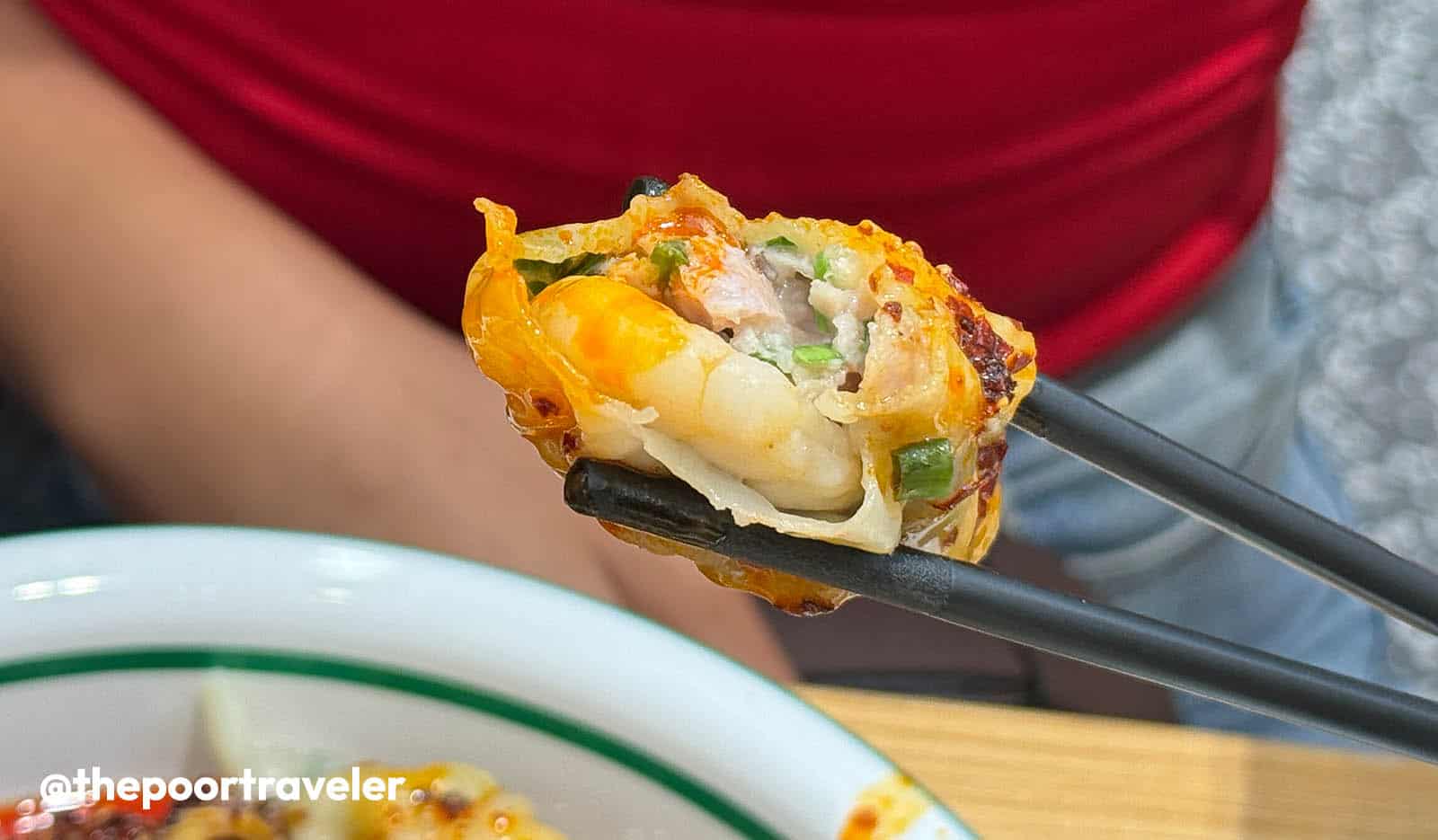

Each dumpling was plump and perfectly steamed, packed with a balanced mix of shrimp sweetness, pork richness, and a subtle crunch from the wood-ear mushrooms. But the real banger here is the peanut sauce — spicy, nutty, slightly sweet, and dangerously addictive. Honestly, that sauce deserves its own fan club. You could order just this plate, leave slightly sweaty, extremely satisfied, and already plotting your return.
But we didn’t come here just to try one dish, so we also ordered the shrimp and crab roe wontons in hot-and-sour soup (HK$ 65), which looked stunning on the menu. On their own, both elements were solid: delicate, flavorful wontons and a bold, punchy soup. Together, though, the broth completely overpowered the wontons, causing their flavors to get lost. The soup itself was good, just a bit too dominant. If you’re getting these wontons, we’d recommend pairing them with a sauce instead — or, if soup is a must, going for the clear broth version.
After dinner, walk over to Temple Street Night Market.
Temple Street Night Market
Temple Street Night Market is one of Hong Kong’s most famous evening markets. Expect stalls selling souvenirs, clothes, bags, electronics, and plenty of street food. By the way, Jordan is one of Hong Kong’s most local, food-focused neighborhoods. The vibe here is less polished, more lived-in. But that’s part of the appeal.
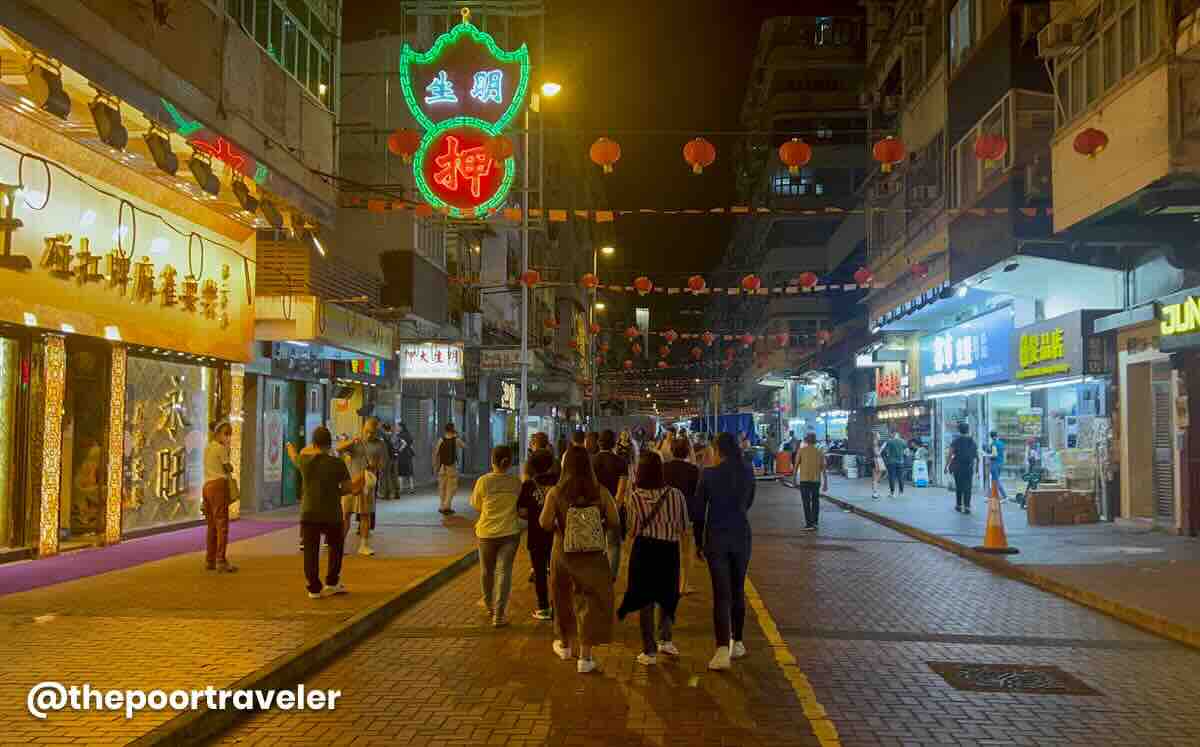

But if you want more options and you still have time and energy, take the MTR again, this time to Mong Kok Station. The fare is HK$ 4.9 (USD 0.63, PHP 37).
Mong Kok Night Markets
Mong Kok is Hong Kong at its loudest, brightest, and most unapologetically chaotic — in the best way possible. This is one of the most densely populated neighborhoods, and you feel it the moment you step out of the MTR. Neon signs stack on top of each other, crowds flow in every direction, and there’s always something happening, whether it’s a street performer or a pop-up stall.
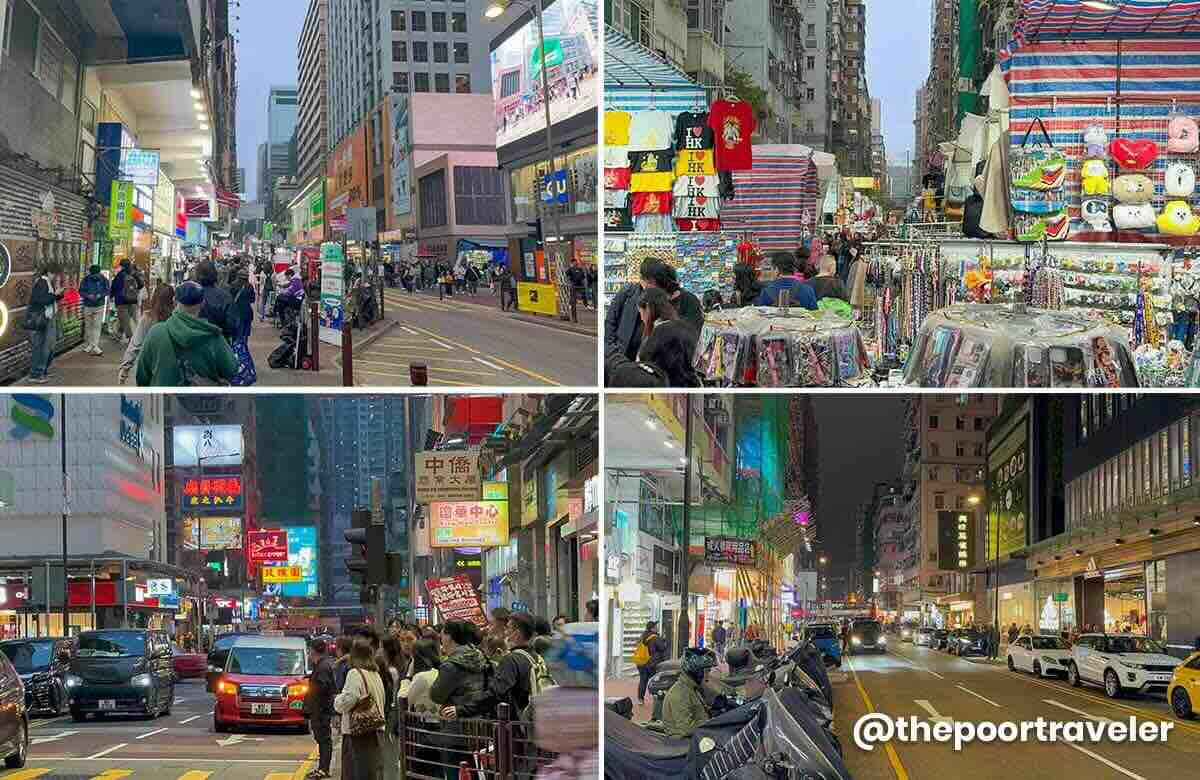
This area is famous for its street markets. Ladies’ Market along Tung Choi Street is packed with bargain clothes, souvenirs, phone accessories, and “I-don’t-need-this-but-I’ll-buy-it-anyway” items. A few blocks away is Sneaker Street — officially called Fa Yuen Street — a must for sneakerheads or shoe-lovers. It is lined wall-to-wall with sneaker shops selling everything from everyday trainers to limited-edition and hard-to-find releases. You’ll find big international brands like Nike, Adidas, New Balance, Puma, and Converse.
Beyond shopping, Mong Kok is a food playground, flanked by dessert spots and late-night street food stalls — all within a few blocks.
After you shop or window shop to your heart’s content, walk back to the MTR Station, head back to your hotel, and call it a night. The MTR fare from Mong Kok to Central Station is HK$ 13.2 (USD 1.69, PHP 100).
DAY 4: NGONG PING & DEPARTURE
It’s our last day in Hong Kong! Start your day early to give yourself enough time to pack, double-check your belongings, and get ready without rushing.
Check Out & Store Luggage
Check out of your hotel and walk to the nearest MTR station with your bags and board the train to Tung Chung Station. Fare is HK$ 21.3 (USD 2.73, PHP 161).
Once you arrive in Tung Chung at 12:00 PM, store your luggage at the Citygate Outlets lockers. The price varies depending on the size: large suitcases (HK$ 40), medium (HK$ 25), and small (HK$ 15). All rates are good for two (2) hours.
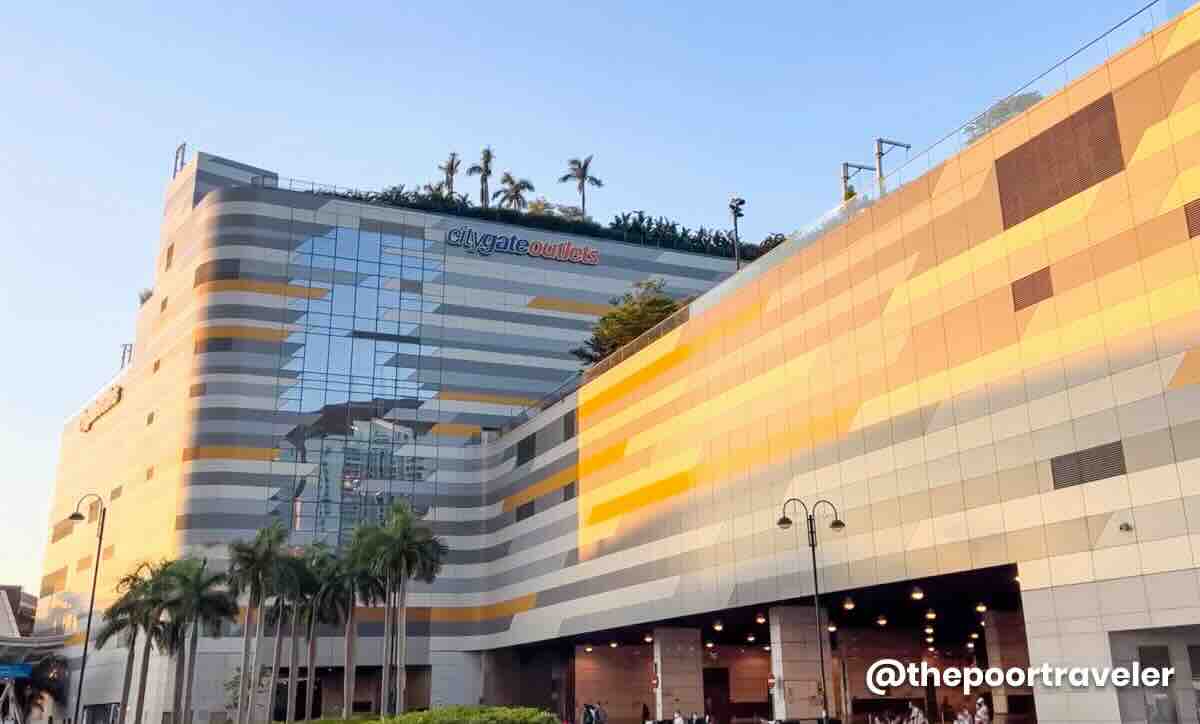

For this itinerary, you’ll probably need the locker for four (4) hours, so prepare to pay HK$ 80 total. After securing your bags, have a quick lunch nearby. You’ve been eating local for the past few days, so you’re excused if you want a fast food fix this time. We also don’t have much time, so a quick meal is ideal, just enough to recharge before we start sightseeing.
Today is all about Ngong Ping, and to get there, we’ll take the scenic route, up in the air. But not too up there.
Ngong Ping 360 Cable Car
Yes, we’re taking the Ngong Ping 360 Cable Car, one of Hong Kong’s most scenic experiences. The journey from Tung Chung to Ngong Ping takes you high above the mountains and coastline of Lantau Island, offering sweeping views of the sea, lush hills, and even the airport below. It’s a smooth, slow, relaxing ride that feels like a slow transition from urban Hong Kong into something far more peaceful.
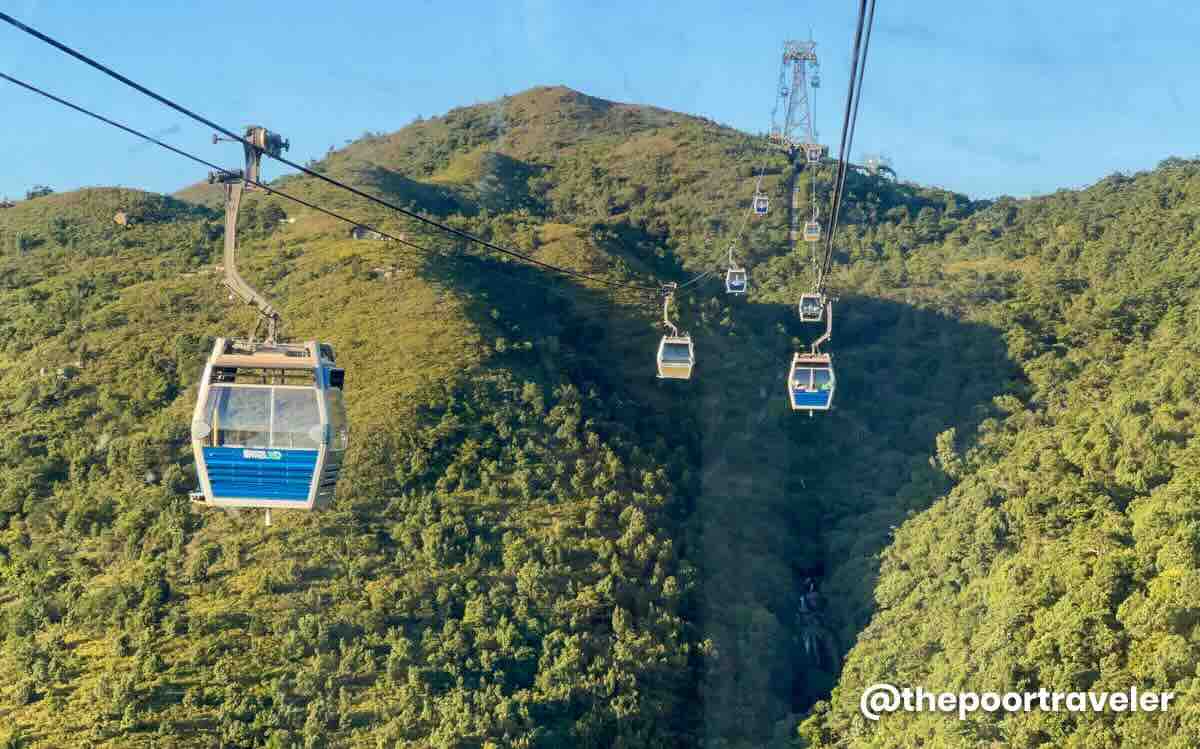

Here are the roundtrip rates if you book it on site:
- Standard Cabin: Adult, HK$ 295; Child, HK$ 150; Senior, HK$ 155
- Crystal Cabin: Adult, HK$ 365; Child, HK$ 220; Senior, HK$ 235
It’s cheaper if you book it online via Klook! It costs only HK$ 228 for standard and HK$ 292 for crystal cabins. That’s a big difference.
Ngong Ping Village
Once you reach the top terminus, you’ll be greeted by Ngong Ping Village, a charming pedestrian-friendly area designed to complement the nearby spiritual and scenic attractions, giving visitors a place to stroll, shop, and eat after visiting the iconic sites. It has a mix of souvenir shops, local snack stalls, and themed attractions, all set against a backdrop of lush mountains and serene landscapes.
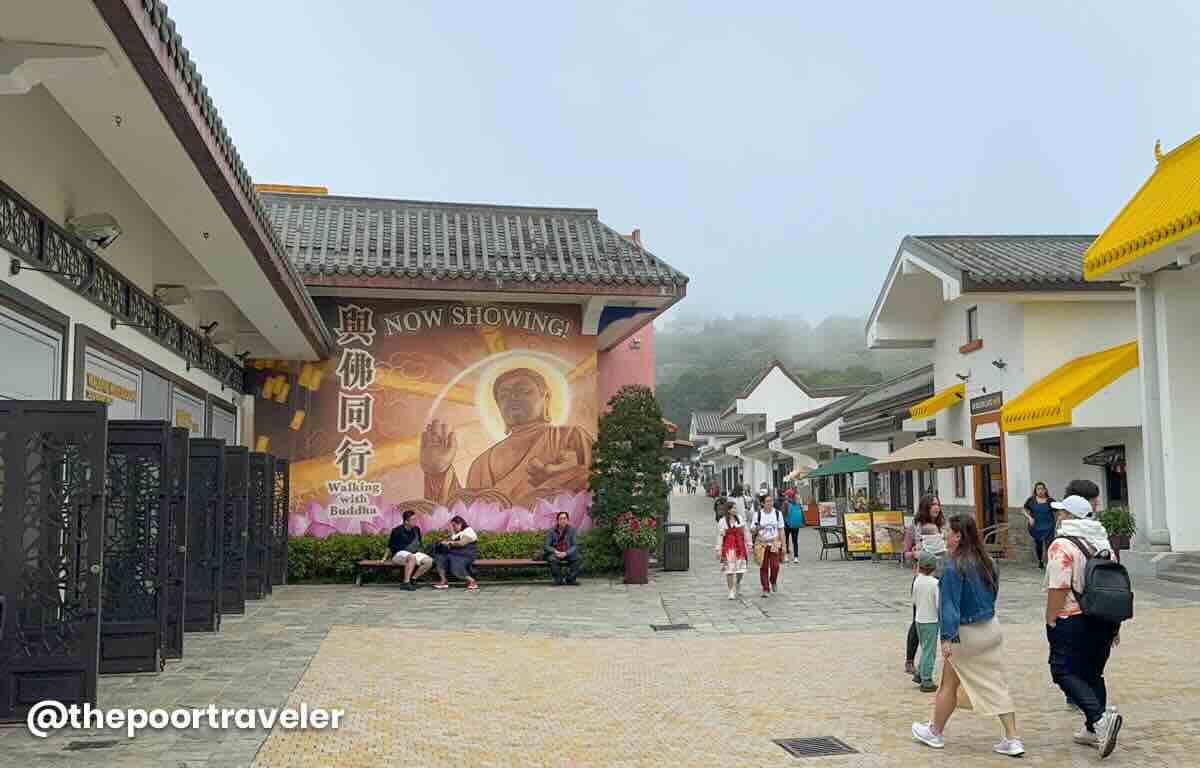

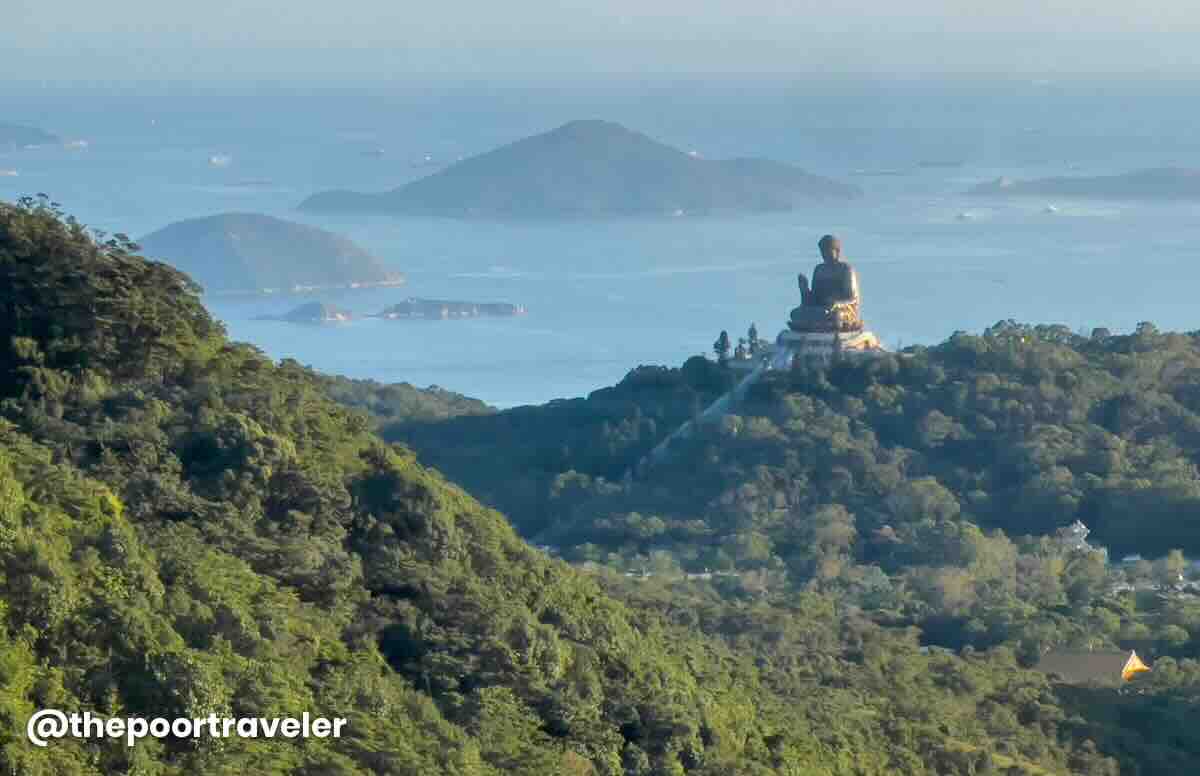
Big Buddha (Tian Tan Buddha)
By the way, while you’re on the cable car, you can already spot the Big Buddha. But it’s time to see it up close. Officially known as the Tian Tan Buddha, this giant bronze statue stands over 30 meters tall. To reach it, you’ll need to climb a steep staircase, but the view from the top is worth it. You also get a closer look at the statue’s design details. Despite its popularity, the atmosphere here remains calm and reflective, especially in the morning.

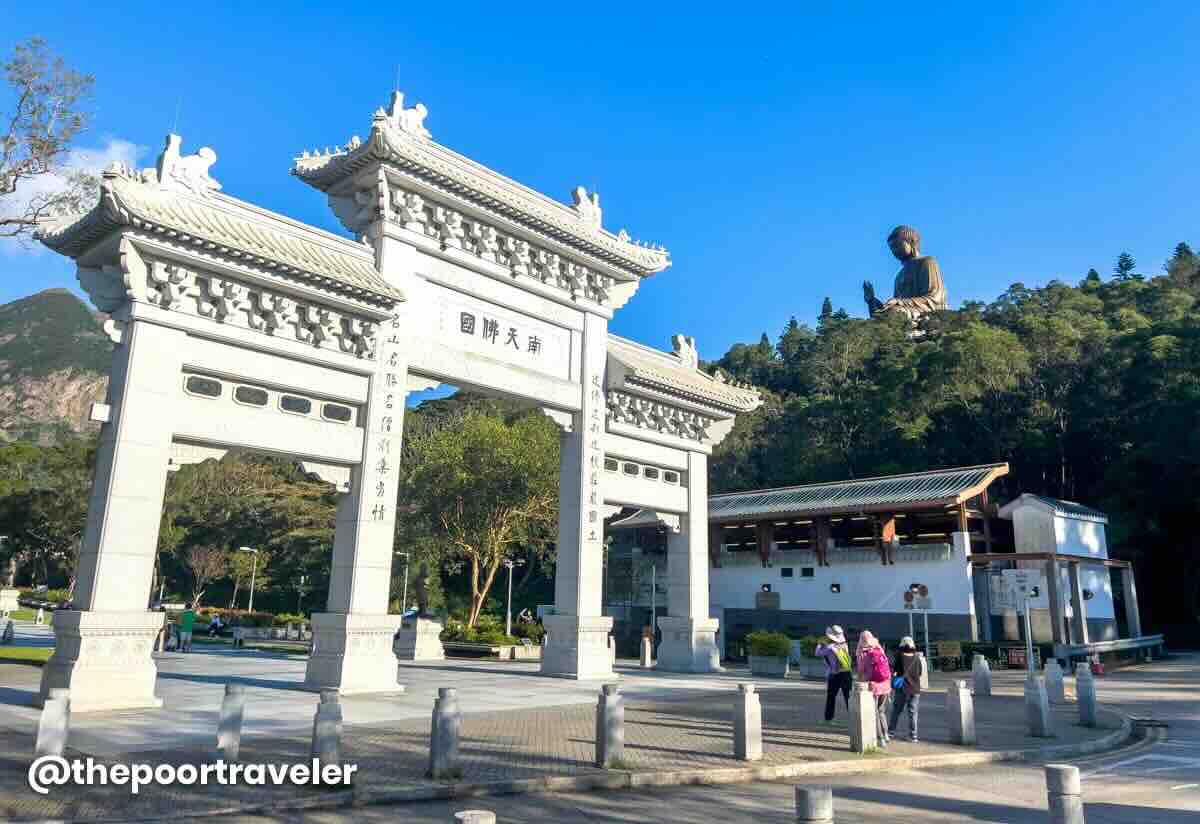
Po Lin Monastery
Just a short walk away is the 115-year-old Po Lin Monastery, a working Buddhist monastery known for its tranquil, incense-filled courtyards. Visitors are welcome to explore the grounds respectfully and observe monks going about their day.

Option A: Tai O Fishing Village
If you have more time, you can visit Tai O, which is just a 30-minute bus ride away. Tai O is a traditional fishing village, famous for its stilt houses built over water and is often described as one of Hong Kong’s last remaining glimpses of old village life. It’s also popular for local snacks like cuttlefish, fish balls, and tofu pudding.


But if you’re in a hurry or you’d rather go shopping, you can skip it and just board the cable car back to CityGate Outlets.
Option B: CityGate Outlets
Time for last-minute shopping! This outlet mall features international brands and is conveniently located near the cable car terminal. But before that, don’t forget to pick up the bags that you stored in the lockers.
Departure
From Tung Chung, getting to Hong Kong International Airport is quick and straightforward. Just take Bus S1. Fare is HK$ 3.7 (USD 0.47, PHP 28).
In less than 15 minutes, you should be at the airport. Check in to your flight, grab dinner at one of the restaurants, and proceed to your boarding gate.
So, how much budget should you prepare for this itinerary?
HONG KONG BUDGET BREAKDOWN
Here’s the budget breakdown for our sample 4D/3N Hong Kong itinerary. It assumes you’re a party of two, splitting the cost of shared expenses evenly, and that you will be booking a hotel in or around the Central area for HK$ 420 per night. All prices are in HK dollars and per person.
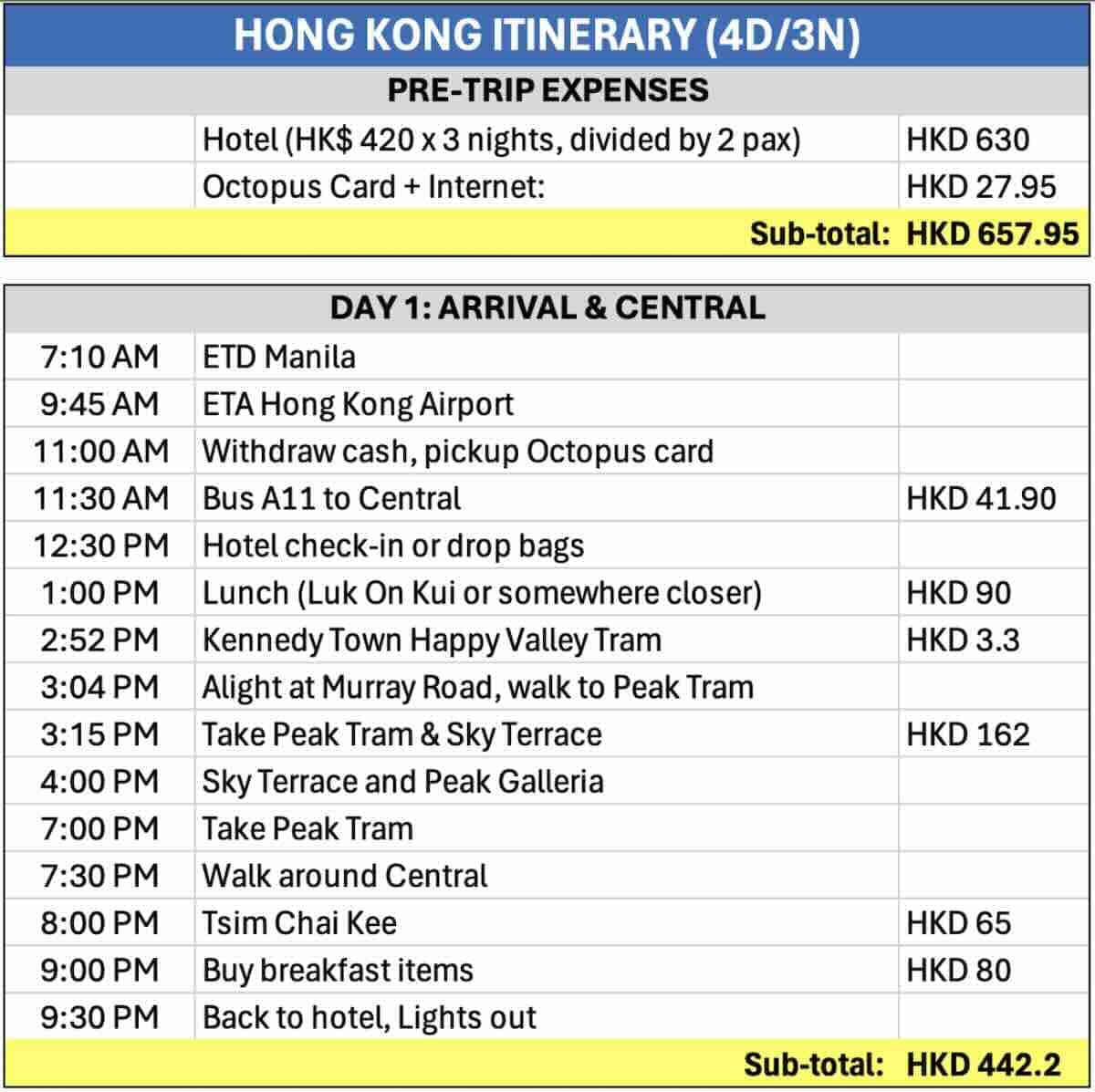

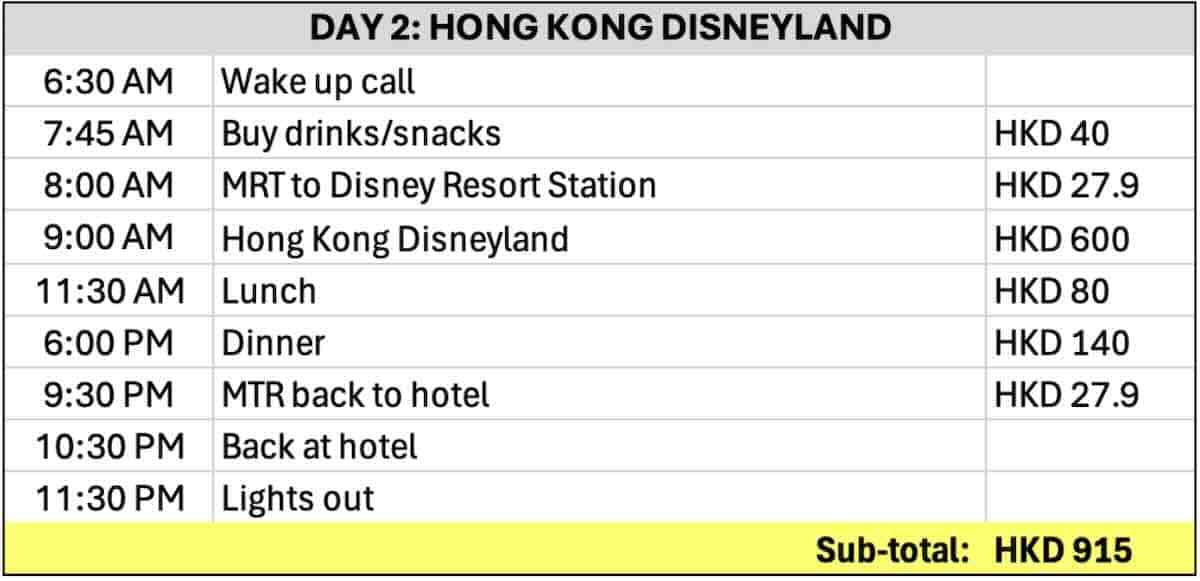

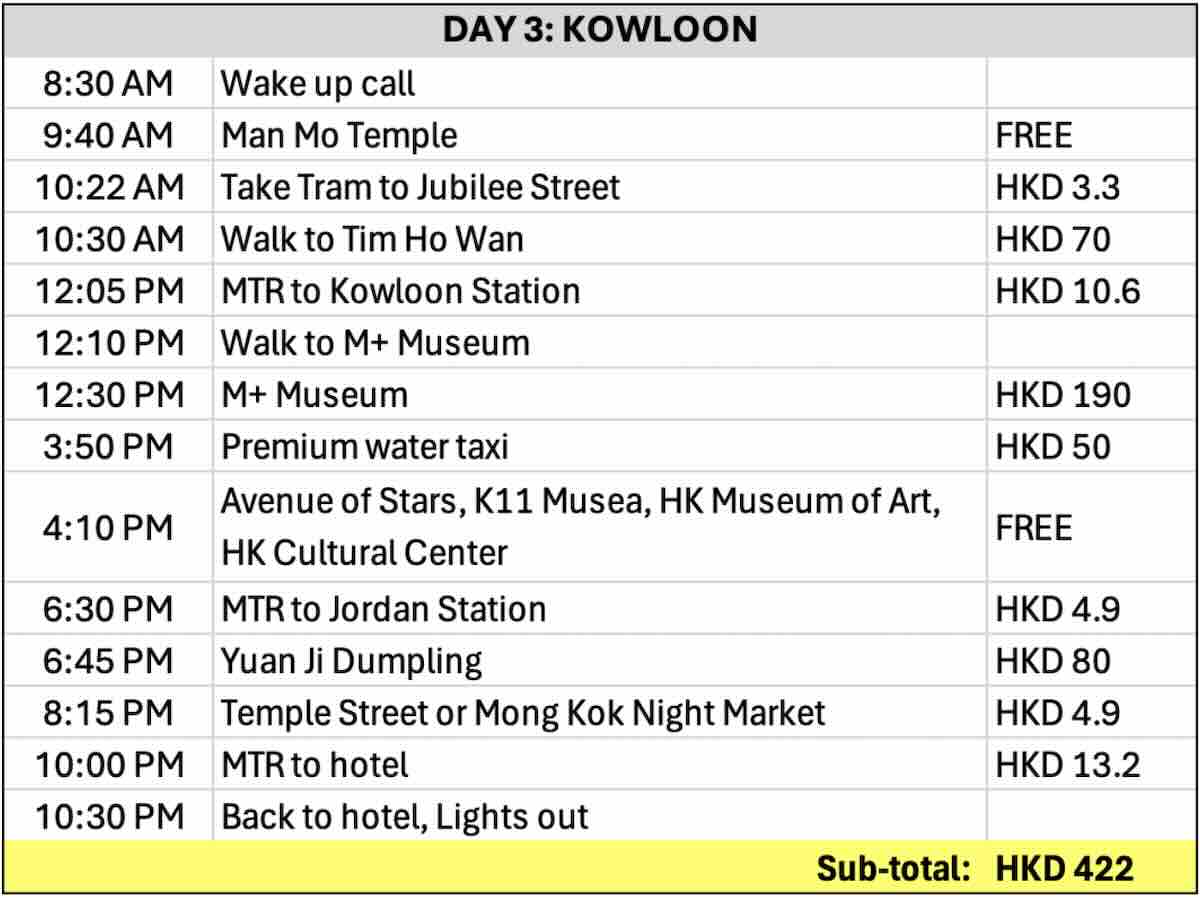

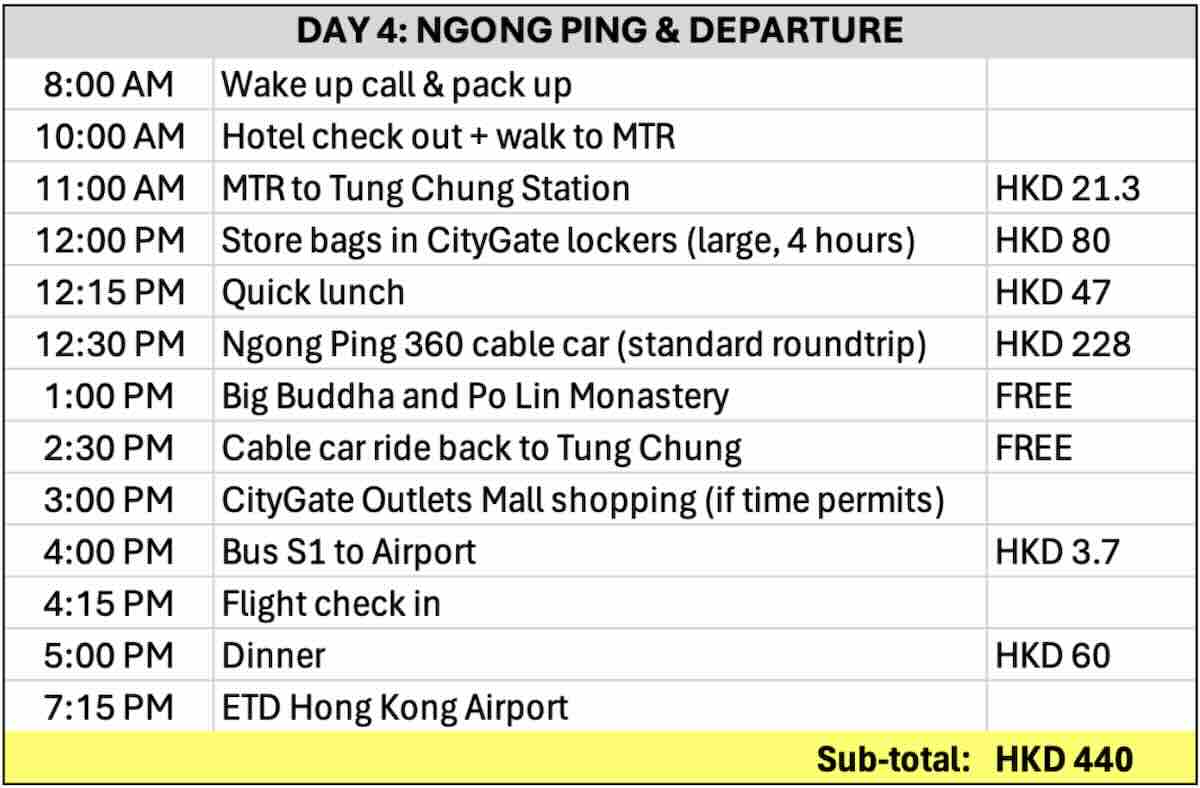

The total is HKD 2,877.15 (USD 369, EUR 314, SGD 470, PHP21,759) PER PERSON, including all attractions, land/water transportation, and hotel but excludes airfare. This is the minimum that you will be spending if you follow this itinerary in the off-peak season.
If you’re a Filipino flying from Manila and you’re able to snag promo flight tickets at PHP 5500 and you pay the P1620 travel tax, prepare a budget of at least PHP 28,879.
IMPORTANT! These are the minimum budgets to prepare. But please note:
- Add a buffer (even as low as HKD 200) to cover possible price movements, currency exchange adjustments, and other expenses we might have missed. These do not include personal purchases (shopping budget) and alcohol.
- Prices of some items, including hotels and Disneyland, can skyrocket depending on the season, demand, and day of the week.
- These itineraries should not be taken as official travel advice. Just use these as a guide in building your own. Feel free to tweak to match your bookings, availability, schedule, and preferences.
And there you have it! That’s our sample 4-day Hong Kong itinerary.
Do you want us to make a SUPER BUDGET version of this with only FREE attractions? Or what other destination would you like us to cover next? Let us know in the comments section below.
Protect your finances when traveling!
Getting a travel insurance is optional, but we highly recommend this, especially when traveling abroad. Travel can be unpredictable, and though we hope we’ll never use it, having it gives us peace of mind in case of unexpected delays, cancellations, or emergencies.
For international destinations, consider PGA Sompo’s TravelJOY Plus insurance. You can GET IT HERE. Don’t forget to use WORTHIT for a special affordable rate.


Join The Poor Traveler Support Group
✅ If you have any questions or need travel tips, feel free to post them to the TPT Support Group. The members are very helpful. This Facebook support group has been around for a long time, and many members have found travel buddies through it. You can join too! Just visit The Poor Traveler Support Group. Note that this is different from The Poor Traveler Facebook page.

2026 2 3 – First uploaded
Edited by: Asta Alvarez
