Seattle had been on our travel list for years, but when we finally made it to the Emerald City, we realized we’d made some classic tourist blunders. If you’re planning a trip to the Pacific Northwest’s crown jewel, learn from our missteps and make the most of your visit.
In this article, we’ll share with you some of the mistakes we made when we were planning a trip to Seattle.
WAIT, WAIT, WAIT! If your are traveling soon and still on the planning stage, you can also visit our The Poor Traveler Masterlist. Here, we compiled travel essentials, including immigration requirements and all our recommended hotels and tours. Just visit this page: TPT Masterlist. We have a compilation for destinations around the world.
Seattle Travel Mistakes
1. Not staying long enough.
Perhaps our biggest regret last year was not staying long enough in Seattle. Although Seattle was one of the cities we really wanted to set foot in, we didn’t realize how much we were going to love it. We treated Seattle as just a stopover and booked a few full days, thinking that would be plenty of time to hit the major attractions. We were wrong. We barely scratched the surface of what the city had to offer, and we hadn’t even ventured beyond downtown.
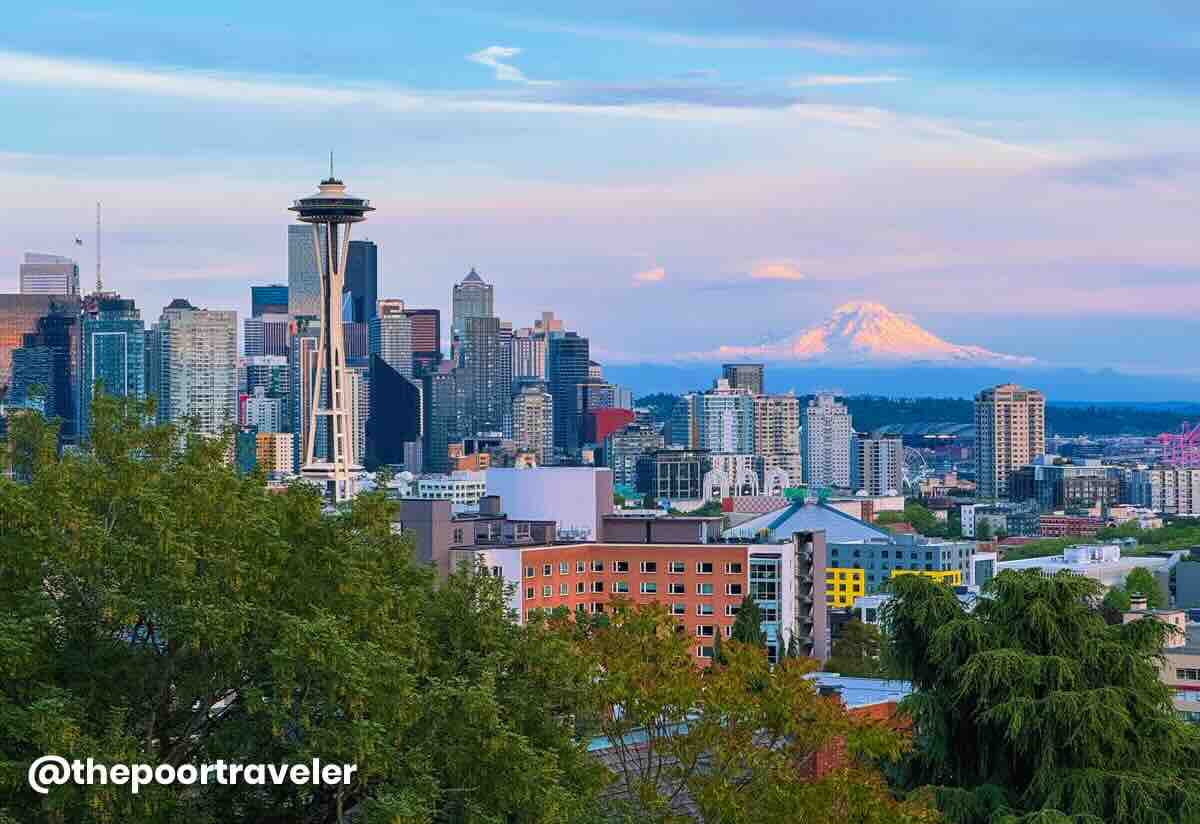

Seattle isn’t just the Space Needle and Pike Place Market. The city sprawls across diverse neighborhoods, each with its own character. Fremont, Ballard, and Capitol Hill all deserve exploration. Then there’s everything beyond the city limits: the San Juan Islands, Mount Rainier National Park, the vineyards of Woodinville, and the charming town of Snoqualmie with its stunning falls. We completely missed these experiences by confining ourselves to the tourist corridor.
If we could do it over, we’d budget at least five to seven days. That would give us time to actually experience Seattle rather than just checking boxes on a sightseeing list.
2. Underestimating the prices.
Seattle is expensive. Like really expensive. First of all, Seattle is known for having a high sales tax rate, which as of late 2025 is more than 10%, making it one of the highest among major cities in the US. The rate is composed of a state sales tax rate of 6.5% plus various local sales add-ons for county and city needs, which currently totals around 3.85%.
Many of the prices that you see on the menus of restaurants or the shelves at supermarkets do not include taxes yet. So when budgeting, make sure you account for these.
To us, though, high prices are most evident in accommodation rates, especially in peak season.
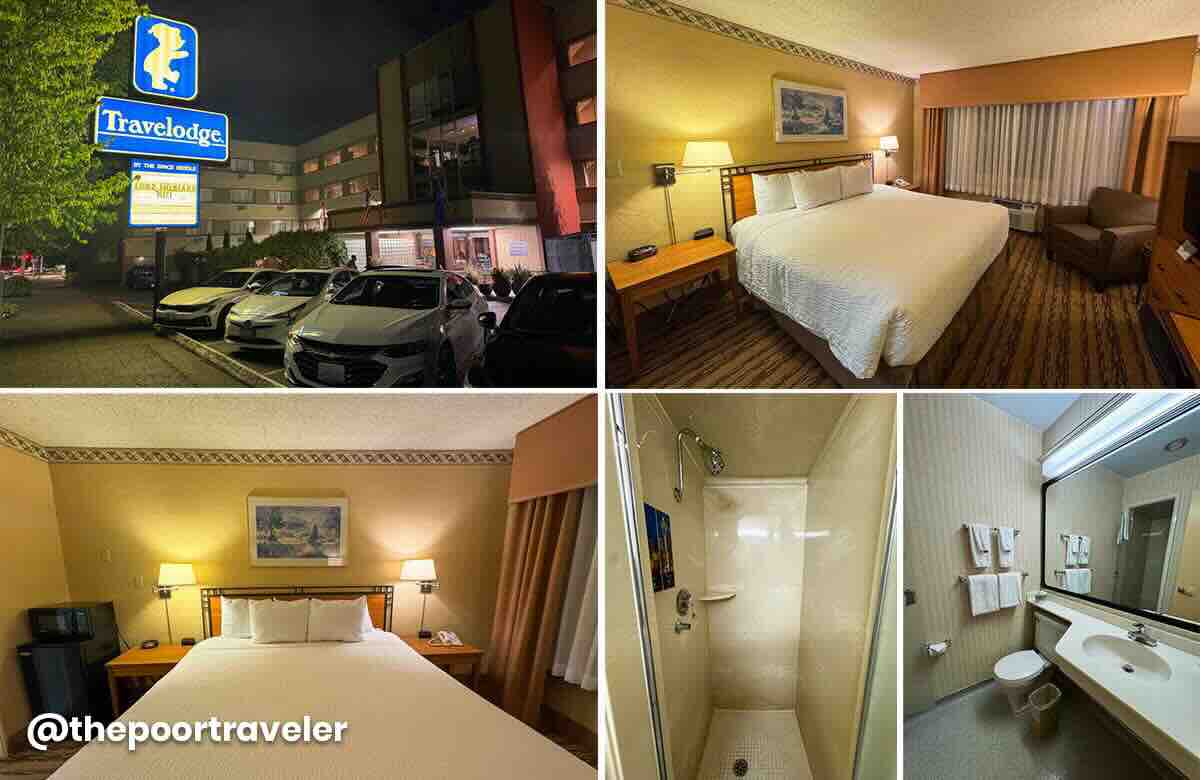

Let’s take, for example, the hotel where we stayed. In the off-season, you can get a Queen room for as low as USD 72 per night. But in the peak season, it can go as much as USD 616 per night. On super peak days, it can skyrocket to USD 842 per night, including taxes.
By the way, we booked our room on Agoda.
TIP! When you book on Agoda, you can score as much as P5800 OFF if you redeem our discount coupon. Just visit www.thepoortraveler.net/agoda. You can also use our Agoda Promo Code AGODATPT. On the Agoda app, you must first redeem it on the COUPONS tab by entering AGODATPT, then start selecting your hotel and room. Then, upon checkout, enter AGODATPT again in the right field. It will give you 10% OFF, capped at USD 100.
That would somehow lessen the costs. Also consider staying in neighborhoods outside the city center if budget is a concern.
There are many other ways to reduce expenses, many of which, we will discuss on our Seattle Travel Guide article.
SEARCH FOR SEATTLE HOTELS HERE!
3. Dismissing local cafés.
Seattle is the birthplace of Starbucks. And yes, tourists dutifully make their pilgrimage to the original Starbucks at Pike Place Market (and wait in the inevitable line). We did, too, just to see what the fuss was about. Feel free to do that if you’re a fan.
But don’t miss out on the city’s incredible independent coffee culture, too.
To be honest with you, I’m not a big coffee drinker. But Vins is, so I joined him as he sashayed into a local café in every area we visited. From Seattle Center, we went out of our way to try Caffe Vita at KEXP Gathering Space.
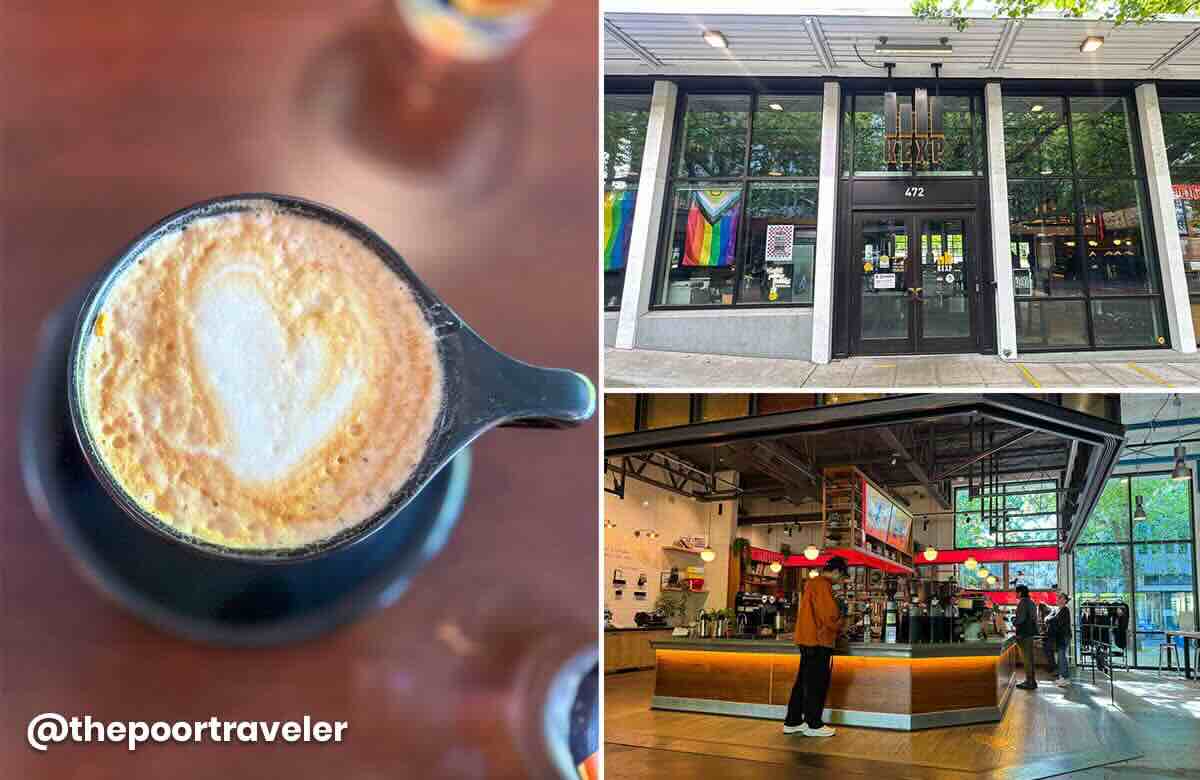
Caffe Vita’s menu is dominated by lattes, so that’s what we ordered. Vins had the regular latte, which had a rich, smooth texture. The espresso holds up well, making it very balanced and not overpowered by the milk. I had the orange madeleine latte, my first time to try coffee with strong citrus flavor, and I loved it. It was rich but also buttery, thanks to the madeleine cookie syrup and with just the right amount of orange zest.
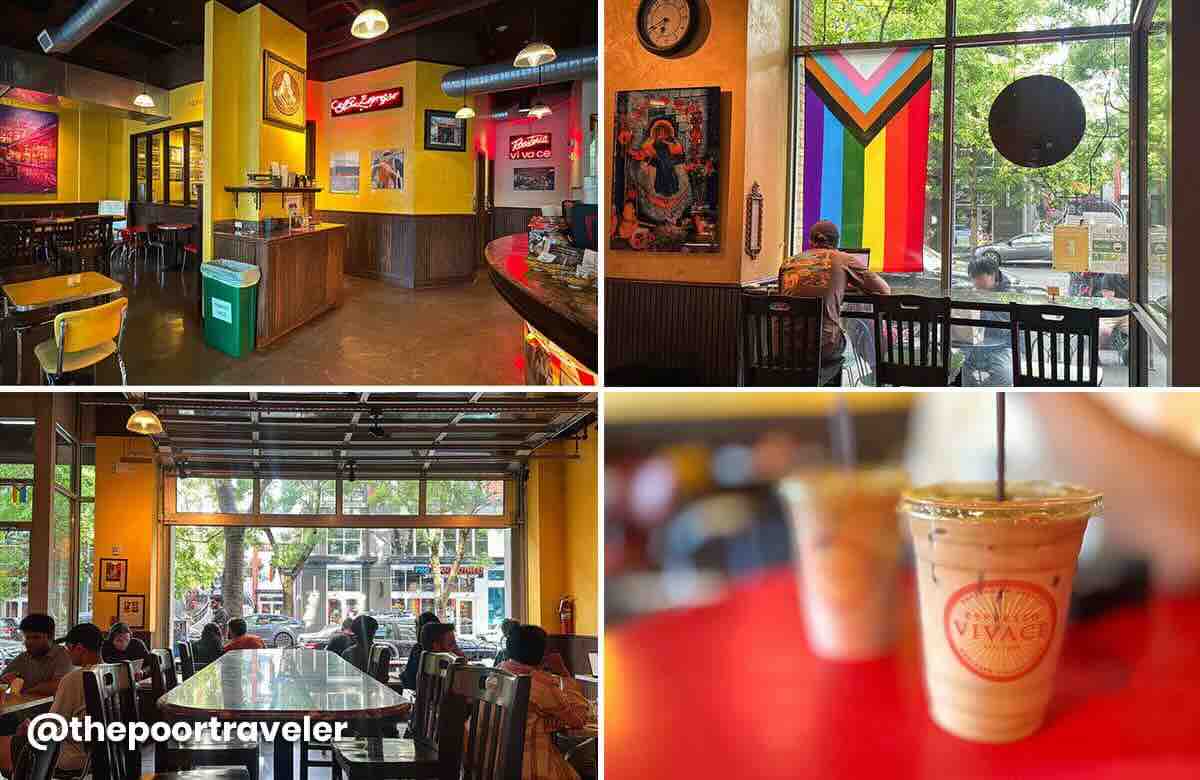
We also checked out Espresso Vivace, another legendary Seattle institution, founded in 1988 by David Schomer, a former Boeing engineer, credited with developing and popularizing latte art in the United States. Vins had an iced latte, and I had an iced caffe caramel. Both were sweet and had strong aroma, but we agreed that my order tasted better.
Near Pike Place, we paid a visit to Anchorhead Coffee, which takes pride in its serious Pacific Northwest coffee culture. It has established a name for itself for single-origin beans and precise brewing methods. We were in the mood for something ice cold, so Vins ordered Honey Bunches of Cold Brew, which combines cold brew coffee with burnt honey, cinnamon, maple, and creamy oat milk, mimicking a cereal-y profile. It was also more full-bodied than usual, so the taste also lingered in the mouth.
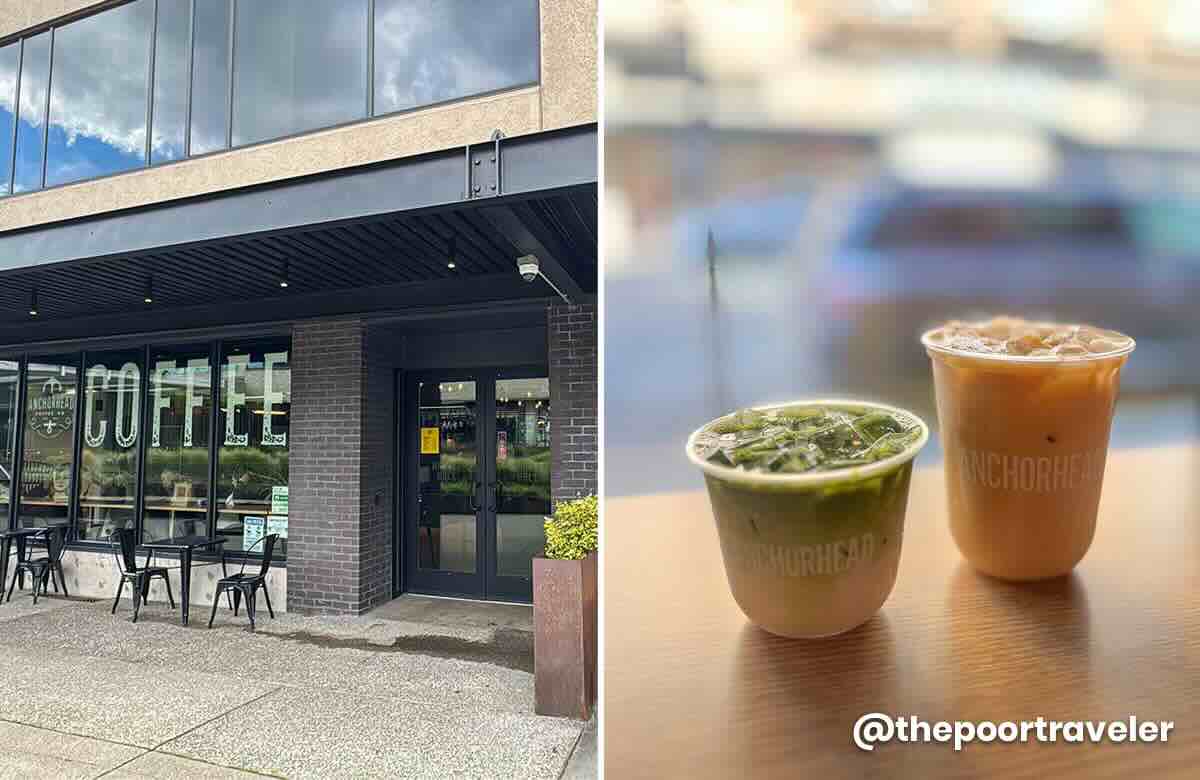
I’m not a big coffee fan in general, so I had Iced Blueberry Matcha. It looked like your typical plain matcha drink at first glance, but the blueberries sang only after you gulped. I appreciated the subtlety because I was afraid that it would taste more like juice, but it didn’t. It used oat milk, too, instead of cow’s milk. It was fantastic.
Seattle’s coffee scene goes so much deeper than its most famous export. The independent cafés are where you’ll find the real innovation, passion, and community that made this city a coffee capital in the first place.
4. Staying above ground.
This sounds strange, but one of Seattle’s most fascinating aspects is what lies beneath the surface, and we nearly missed it entirely.
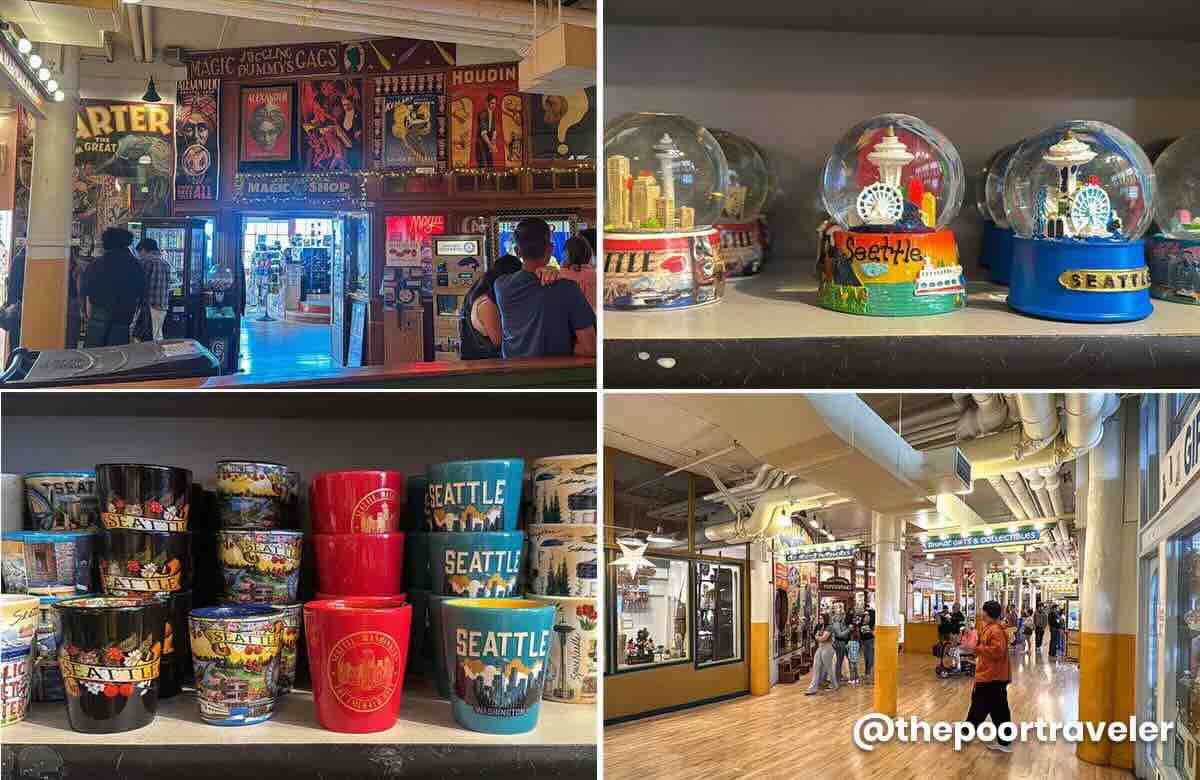
At Pike Place Market, we did what most tourists do. What we didn’t do until the last hour was explore the Down Under or Lower Level. This lane of quirky shops and eateries beneath the main market is less crowded and full of hidden gems. You’ll find vintage stores, book and souvenir shops, and some of the market’s oldest businesses tucked away down there. We almost didn’t see it. But thank heavens we stumbled upon it.
But what we failed to visit was the Seattle Underground Tour. Seattle’s original downtown was built at street level in the 1850s, but after the Great Fire of 1889, it was rebuilt on top of the old streets, essentially burying an entire city beneath modern Seattle. The tour takes you through these forgotten sidewalks and storefronts, complete with fascinating (and often hilarious) historical commentary.
Too bad we didn’t get to explore it!
5. Skipping the Seattle CityPASS.
If you’re visiting multiple museums, do not forget to purchase a Seattle CityPASS, which will give you a great discount on admission fees.


It costs $129 for adults and $99 for children ages 5-12 and saves up to 49% on entrance fees. The pass is valid for nine (9) consecutive days beginning on the first day of use, giving you flexibility to explore at your own pace.
The CityPASS includes guaranteed admission to the Space Needle (with day and night visits within 24 hours) and the Seattle Aquarium, plus your choice of three more attractions from options including: Chihuly Garden and Glass, Museum of Pop Culture (MoPOP), Argosy Cruises Harbor Tour, Woodland Park Zoo, and Pacific Science Center.
For shorter visits, the Seattle C3 pass saves up to 32% on admission to three (3) attractions of your choice from a similar list that also includes the Museum of Flight, Seattle Art Museum, and Sky View Observatory. This works well if you only have a day or two in the city.
The passes are particularly valuable because many of the included attractions (like the Space Needle, Chihuly, and MoPOP) are clustered together at Seattle Center, making it easy to visit multiple sites in one day. Some attractions require advance reservations through the My CityPASS app, so it’s best to plan ahead.
6. Ignoring the weather.
We visited in May and in June, and thankfully, the weather cooperated on both occasions. The sky was clear for most of our visit. But even the locals we talked to mentioned to us how lucky we were because our timing was great. They said, for most of the year, it’s often cloudy and drizzly.


Seattle’s weather is famously unpredictable, and “partly cloudy with a chance of rain” is practically the city’s year-round forecast. Even in the driest months, you can experience four seasons in a single day.
If you see that the weather is a bit gloomy, don’t go up the Space Needle because you might be underwhelmed by the view. Wait or move your visit to another time or day. And outside the sunny season, prepare for that chance of rain. Carry light rain jackets, dress in layers, and wear comfortable walking shoes that can handle wet pavement. It’s all about expectation and preparation. The sky won’t rain on your parade when you’re prepared for it, and Seattle becomes much more enjoyable.
7. Driving downtown.
We don’t drive abroad, so we didn’t make this mistake, but it’s something that stuck out for us as we were exploring the city. Seattle’s downtown core is highly walkable, and the public transportation system is actually reliable. The Link Light Rail connects the airport directly to downtown and runs frequently. Within the city, you have buses, the South Lake Union Streetcar, and the Seattle Center Monorail. For those out of the way, rideshare services are readily available and often cheaper than parking anyway.

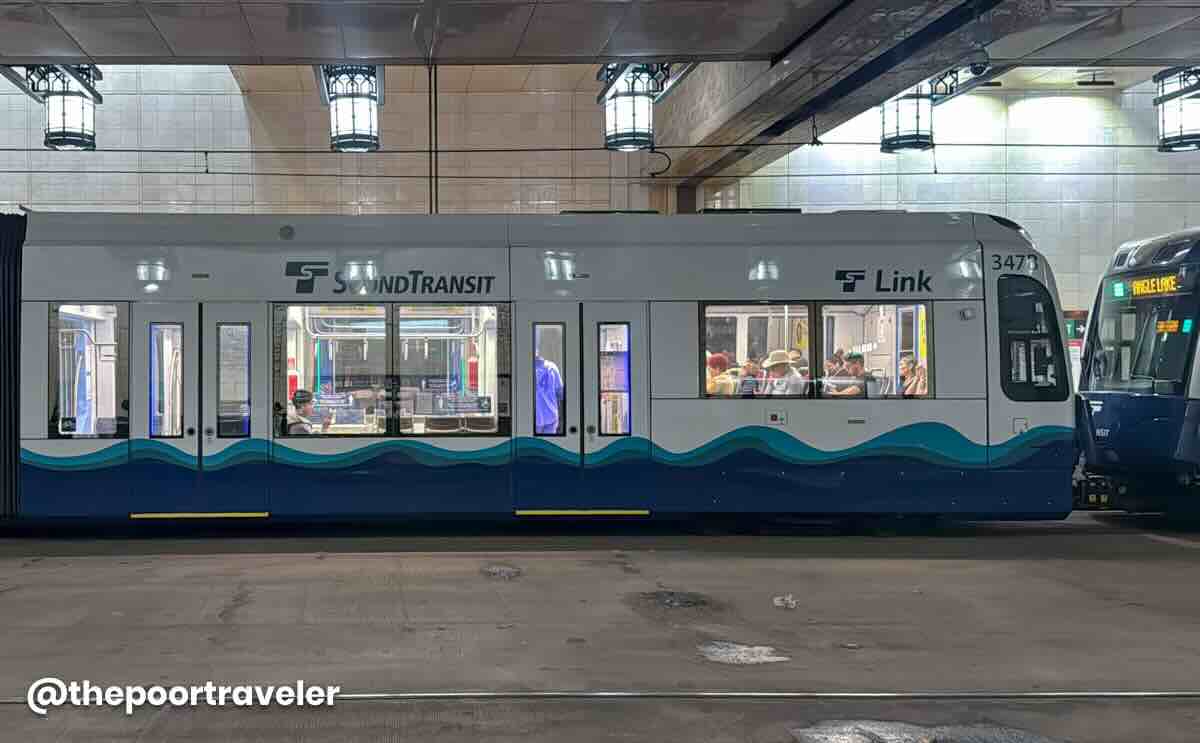
Payment is easiest with an ORCA card, the universal smart card accepted on all transit systems, including light rail, buses, ferries, and water taxis. Cards can be purchased at light rail stations. The card itself costs $3, but you can top it up or add day passes for more savings using the myORCA app (Android) or the Transit GO mobile app. But if you’re just staying in Seattle for a day or two, you probably won’t need a card. Just purchase individual passes from the machines or the apps.
The Regional Day Pass ($6) offers unlimited rides for a day and is perfect for tourists. You can also use the Transit GO mobile app to purchase directly from your smartphone. Most fares include a 2-hour transfer window between buses, trains, and streetcars. Use Google Maps for real-time arrival information and directions.
Driving in Seattle is generally unnecessary for visitors staying downtown, unless you plan on going on day trips to destinations beyond the city limits. But if your itinerary is confined in the city center, no need to rent a car or drive your own.
Do you have anything to add to this list? What destination would you like us to cover next? Sound off in the comments section below.
Protect your finances when traveling!
Getting a travel insurance is optional, but we highly recommend this, especially when traveling abroad. Travel can be unpredictable, and though we hope we’ll never use it, having it gives us peace of mind in case of unexpected delays, cancellations, or emergencies.
For international destinations, consider PGA Sompo’s TravelJOY Plus insurance. You can GET IT HERE. Don’t forget to use WORTHIT for a special affordable rate.


Join The Poor Traveler Support Group
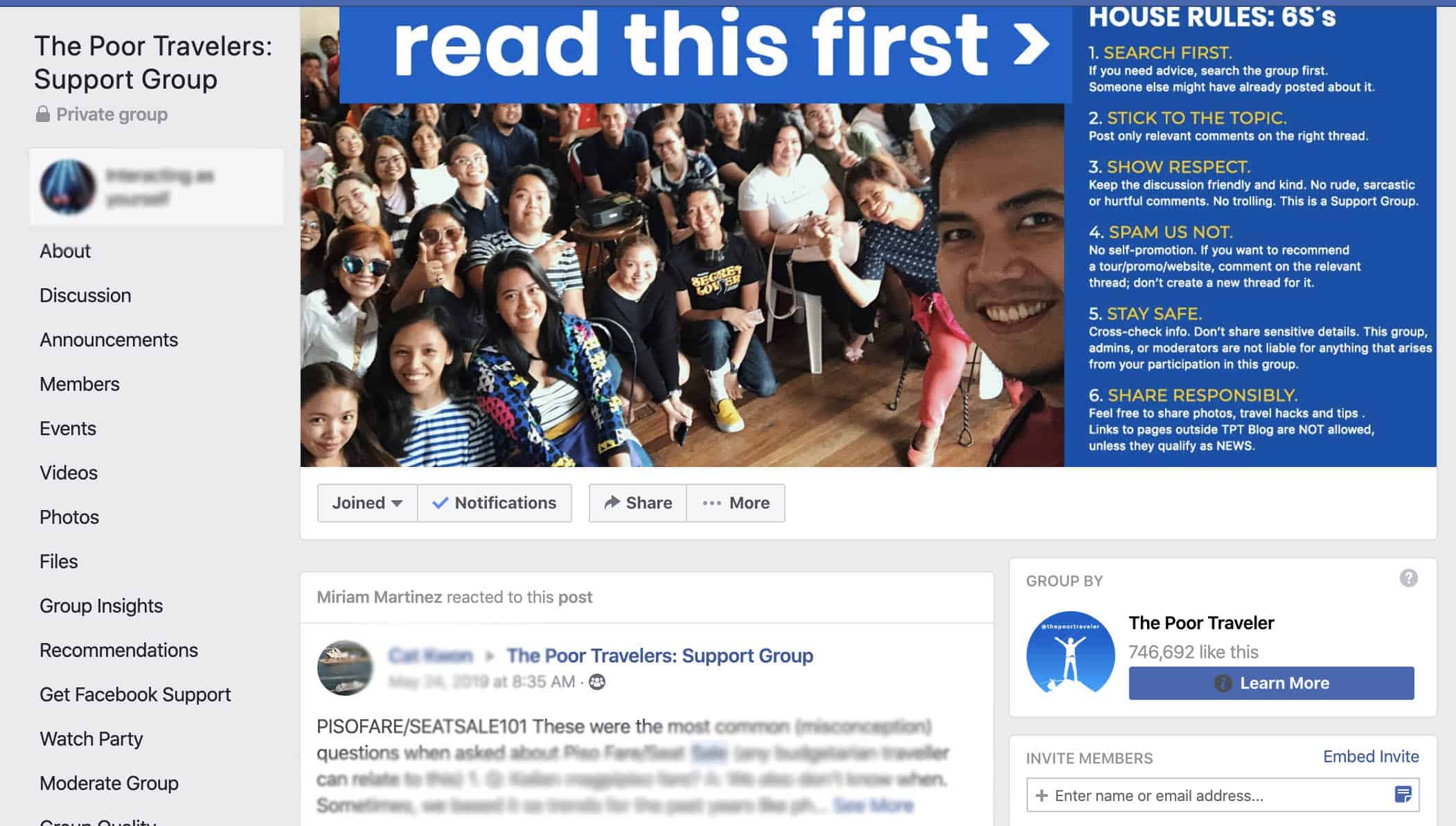
✅ If you have any questions or need travel tips, feel free to post them to the TPT Support Group. The members are very helpful. This Facebook support group has been around for a long time, and many members have found travel buddies through it. You can join too! Just visit The Poor Traveler Support Group. Note that this is different from The Poor Traveler Facebook page.

Updates Log
2026 1 26 – First uploaded
Edited by: Asta Alvarez
