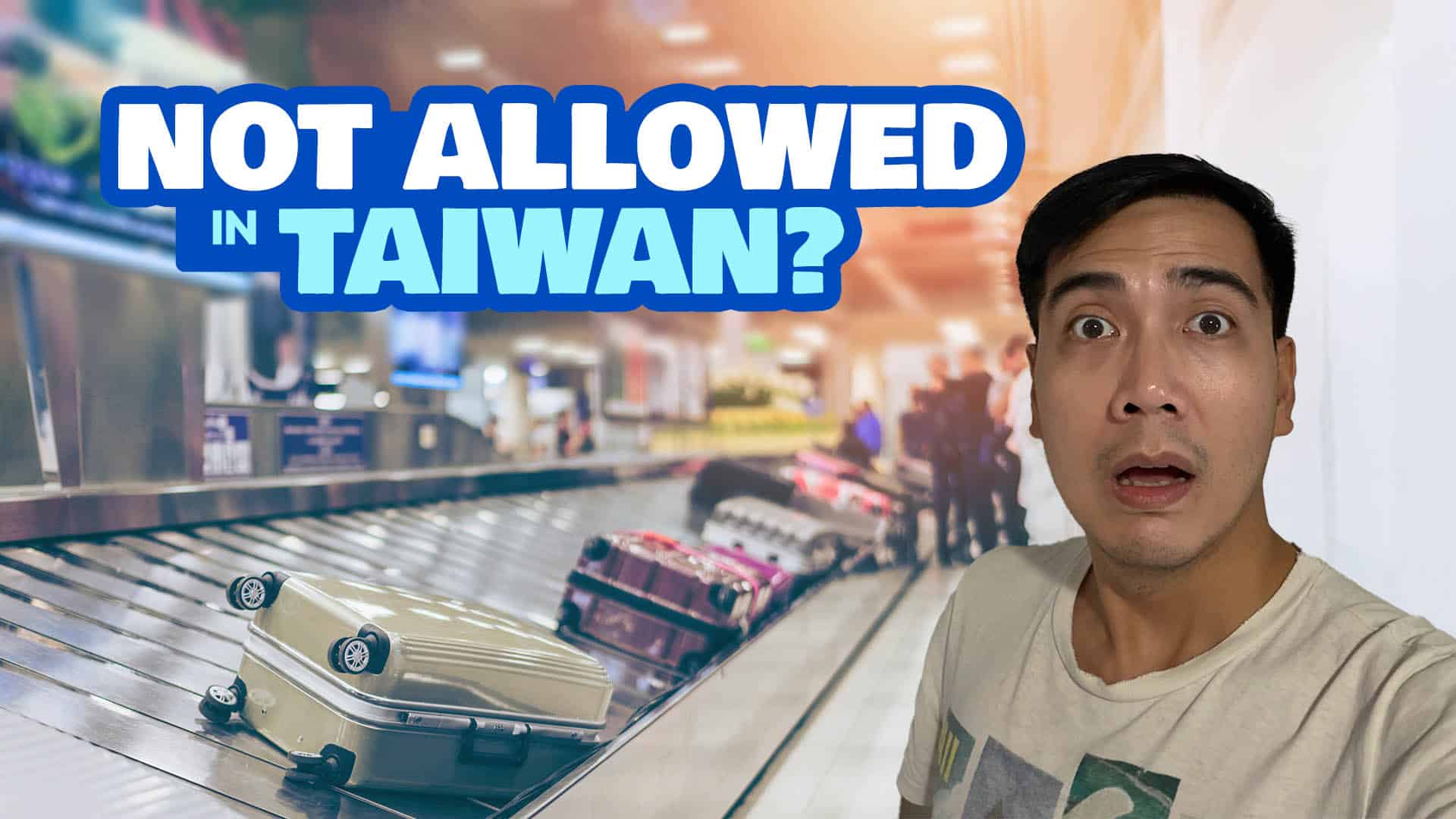
Taiwan is one of Asia’s most rewarding travel destinations. It is compact, efficient, safe, affordable, and remarkably easy to navigate once you know the ropes. And yet, you can still run into avoidable trouble. Sometimes it is a hefty fine at customs. Sometimes it is an overstay that leads to a ban. Sometimes it is an embarrassing cultural misstep on the MRT. And sometimes, tragically, it is a safety incident that could have been prevented with a little awareness.

In this article, we’ll walk you through the most common mistakes travelers make in Taiwan, with practical tips and honest advice so you can spend less time dealing with problems and more time enjoying everything this beautiful island has to offer.
WAIT, WAIT, WAIT! If your are traveling soon and still on the planning stage, you can also visit our The Poor Traveler Masterlist. Here, we compiled travel essentials, including immigration requirements and all our recommended hotels and tours. Just visit this page: TPT Masterlist. We have a compilation for destinations around the world.
Taiwan Travel Mistakes
1. Ignoring the entry requirements & visa-exempt limitations.
Taiwan offers visa-free entry to citizens of over 60 countries. The length of the permitted stay varies by nationality:
- Citizens of the United States, European Union, Canada, Australia, Japan, South Korea, etc: up to 90 days
- Citizens of the Philippines: up to 14 days
For Filipino passport holders, the visa-free allowance is 14 days — not 30, not 90. Fourteen days. If you wish to stay longer than 14 days, you must obtain a visitor visa from a Taiwanese representative office before you travel.
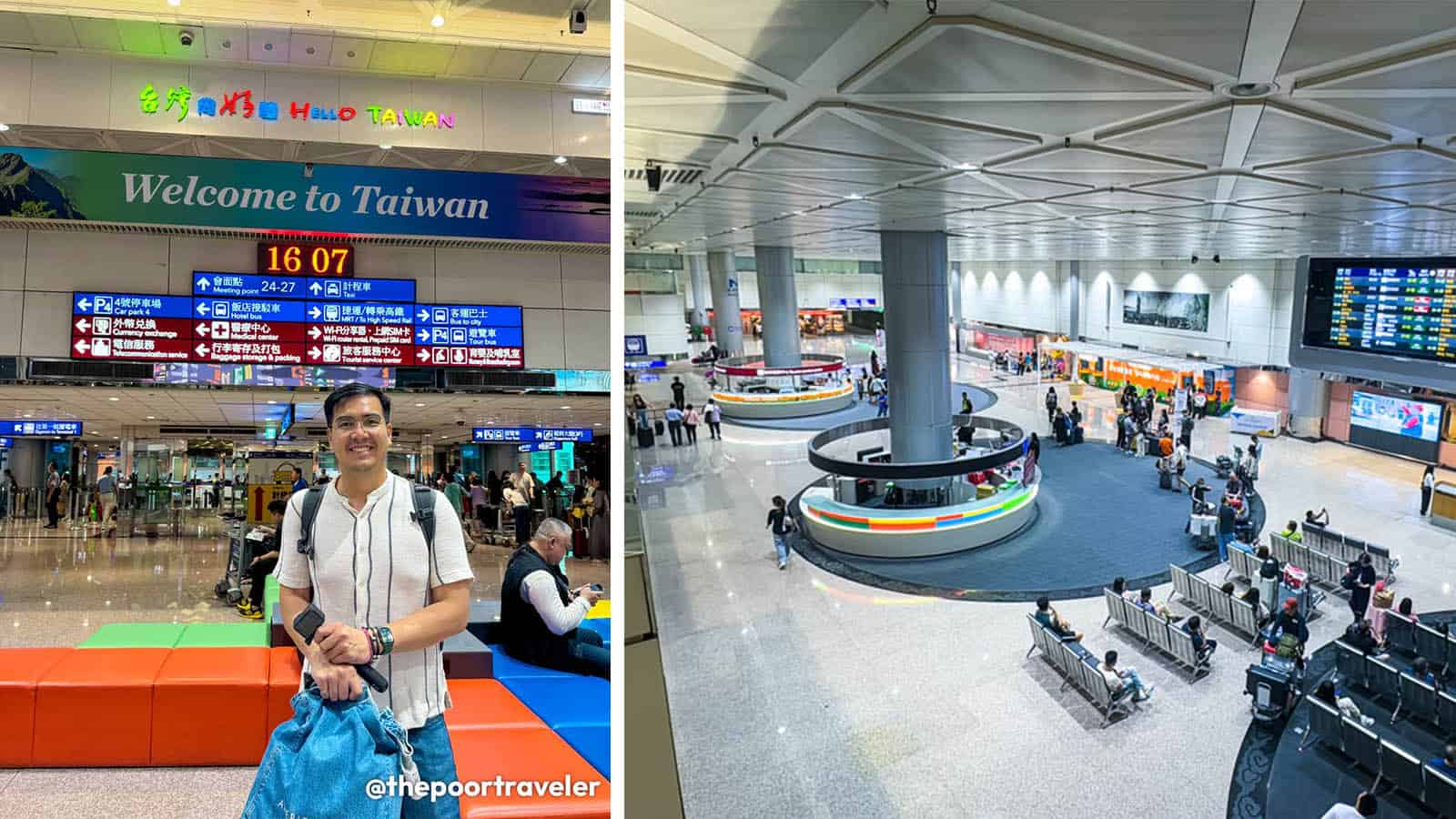
REMEMBER! Although Filipino travelers staying for 14 days or shorter can enter Taiwan visa-free, there are still requirements that you need to prepare. Aside from a valid passport:
- Return or onward ticket. It’s one of the conditions for visa-exempt entry. And it’s often requested by Immigration in the Philippines.
- Sufficient funds. This is also one of the requirements of Taiwan for visa-free visitors. They don’t clearly define what amount is considered “sufficient”. I’ve personally never been asked about pocket money in Taiwan, and I don’t know anyone who has, so I can’t say for sure. Although I’ve come across some accounts online where travelers were asked how much money they were carrying. The best advice I can give is to make sure your funds are enough to cover your entire length of stay on the island. For example, you’re planning to stay for the full 14 days, don’t just bring, say NTD 1000. That wouldn’t be realistic.
- Proof of accommodation. This can be a hotel booking or contact information of your sponsor or contact in Taiwan. You may also present your tour arrangements in case you’re asked for them.
✅ TIP! If you don’t have a hotel yet, book with Agoda and use our promo code AGODATPT to get a huge discount! Up to P5900 or USD 100 off. Just visit www.thepoortraveler.net/agoda to redeem the discount coupon, or if you prefer using the Agoda mobile app, just tap on the DEALS page and enter our promo code AGODATPT, all caps. Then search and select a hotel, and upon check out, enter AGODATPT again in the coupon field to apply the discount. This will give you up to 10% OFF capped at USD 100 (P5900 based on current exchange rate).
Anyway, the three abovementioned requirements — return ticket, sufficient funds, and proof of accommodations — in most cases, are not requested. But just because they’re not usually asked for doesn’t mean you should not prepare them, as you might encounter a more meticulous immigration officer. So, it’s still best to have these documents ready, just in case.
2. Skipping the Taiwan Arrival Card.
The Taiwan Arrival Card (also called the Visitor Arrival Card or Disembarkation Card) is a mandatory online form that all incoming international visitors must complete before clearing immigration at a Taiwanese airport.
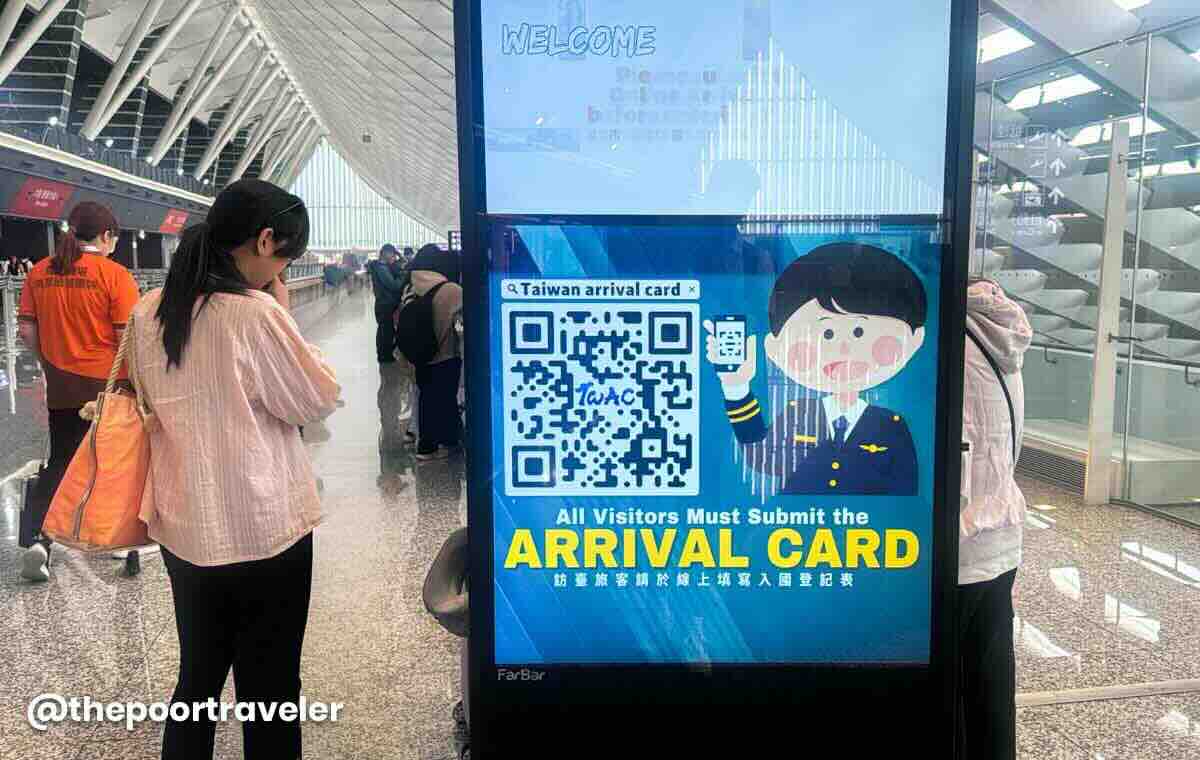
It collects basic personal and travel information: your name, passport details, flight number, date of birth, purpose of visit, local accommodation address, and contact information. It’s very easy to complete, but many travelers either forget to fill it out or scramble to do so at the last minute, creating unnecessary stress and slowing down the immigration queue.
Again, here are the details you need to provide:
- Full Name (as it appears on your passport)
- Passport Number and Nationality
- Date of Birth
- Flight Number and Port of Embarkation
- Address of Accommodation in Taiwan (hotel name and address is fine)
- Purpose of Visit (tourism, business, transit, etc.)
- Contact Number while in Taiwan
✅ PRO TIP: Save your hotel’s address in your phone before you board your flight. It is one of those details you will need on the arrival card and may not remember off the top of your head after a long flight.
The online form has officially replaced the physical paper version in 2025, so you need to do it via the official website.
It is completely FREE of charge. If the website suddenly charges you a fee, you’re being scammed and exit immediately.
3. Bringing meat or animal products.
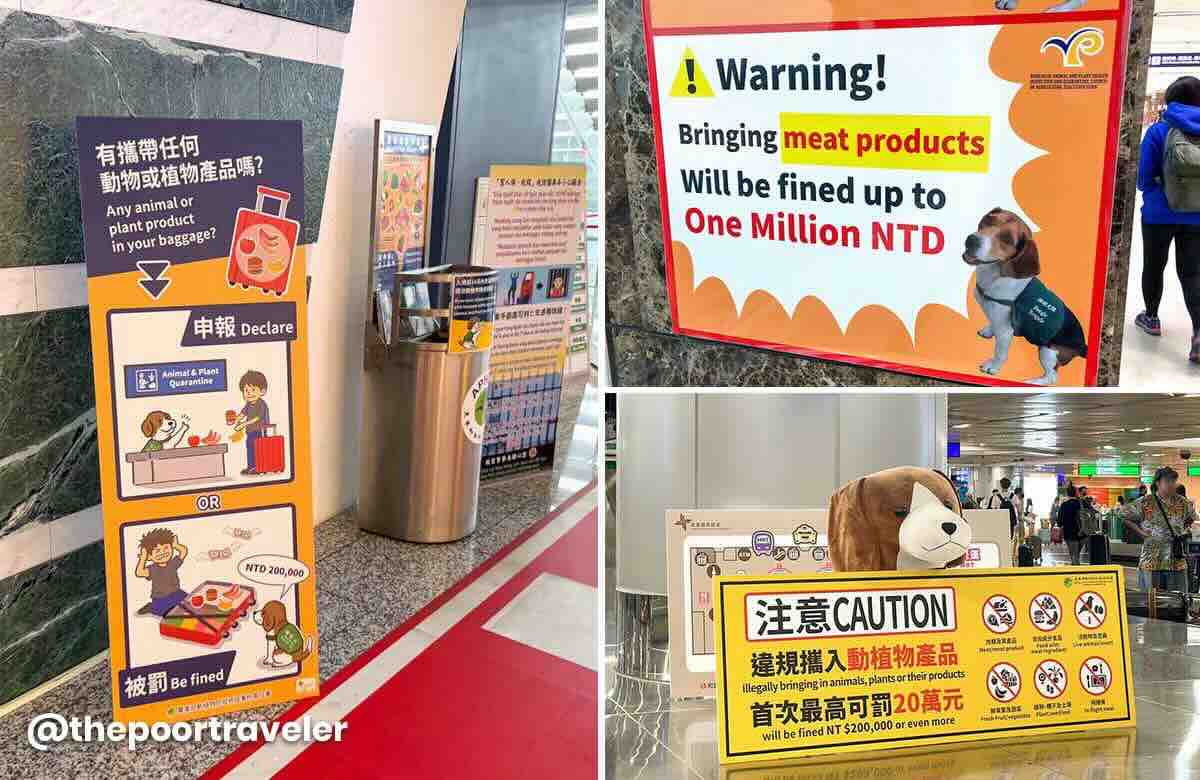
Did you know that you could be fined up to NTD 1 MILLION (roughly PHP 1.85 Million) if you’re caught bringing meat or any animal product into Taiwan?
And best believe you will get caught because Taiwan has one of the strictest customs inspection in the region. In 2024, an Indonesian national was fined NTD 200,000 for carrying a chicken and pork rice meal. In another case, a traveler from Hong Kong was stopped for carrying two sushi rolls and was also fined NTD 200,000 even after appeal. Repeat offenders can face fines of up to NT$1,000,000.
Taiwan has strict biosecurity laws designed to prevent the introduction of foreign animal diseases, most notably foot-and-mouth disease (FMD) and African swine fever (ASF). These diseases pose a catastrophic risk to Taiwan’s livestock industry, which is worth billions of dollars annually. The government does not take chances.
So yes, all kinds of meat products are NOT ALLOWED to be brought into Taiwan. This includes airline’s in-flight meals with meat and vacuum packed meat products.
What Is Prohibited?
Bringing any of these items is not allowed:
- Fresh, dried, cooked, or cured meat products of any kind (pork, beef, poultry, game meats)
- Sausages, cured meats, ham, bacon, and jerky
- Soups, broths, or stews containing animal products
- Eggs, fresh dairy products, and certain processed dairy items
- Any food product with undeclared meat content
You’ll see plenty of warning signs at the airport. In a couple of occasions, there were even signs specifically against Jollibee chickenjoy. And on our most recent trip, the travelers in front of us were stopped because they were carrying donuts and they needed to check whether the fillings had meat products in it.
✅ PRO TIP: If you’re unsure whether a food item is allowed, leave it at home.
4. Bringing vapes or electronic cigarettes.
Taiwan has some of the strictest regulations on electronic cigarettes and vaping devices in Asia, and travelers (especially younger visitors used to vaping freely back home) are regularly caught off guard.
As of 2023, the sale, manufacture, import, and advertising of e-cigarettes and heated tobacco products (HTPs) is prohibited under Taiwan’s Tobacco Hazards Prevention Act. This ban applies to all vaping devices, regardless of whether they contain nicotine or not. Disposable vapes, pod systems, vape pens, and even refillable mods are all covered.
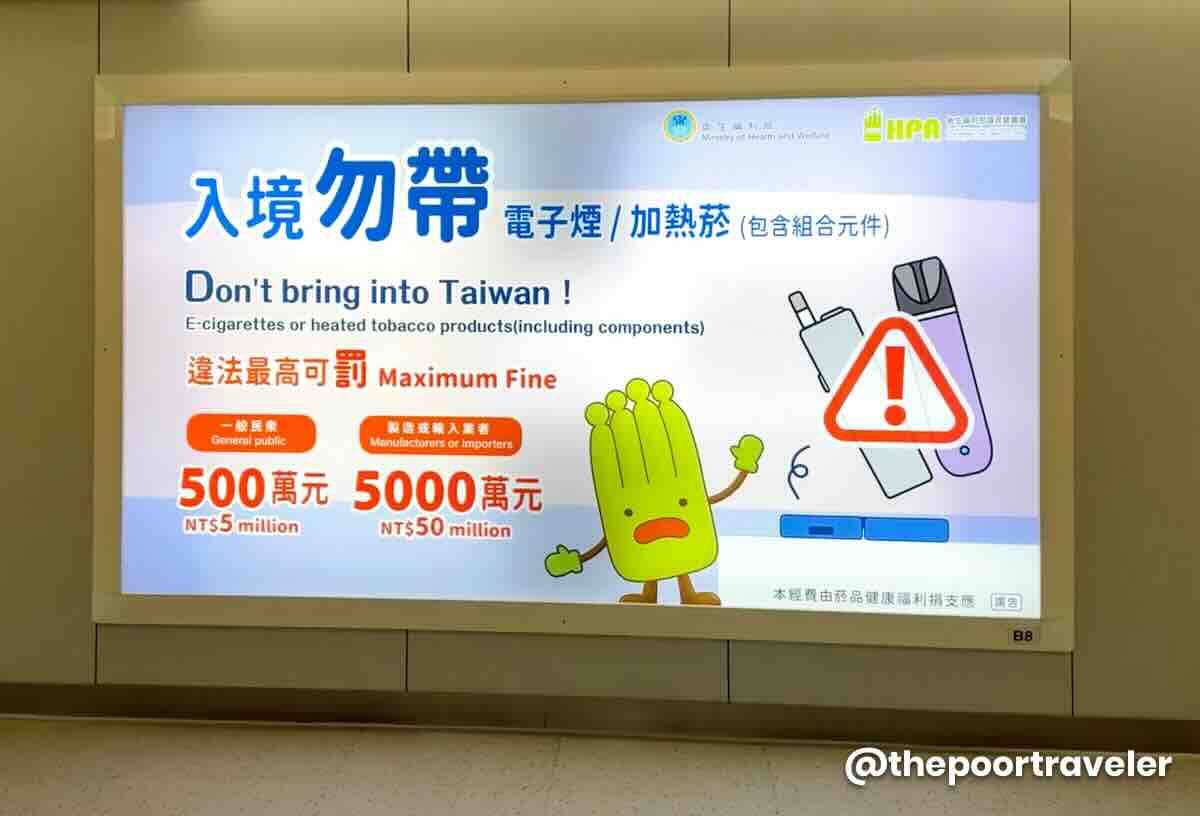
Customs officers have the discretion to confiscate vaping devices. But more critically, using a vape in public can result in fines of up to NT$10,000, and selling or giving vaping products to others can result in criminal liability.
Conventional cigarettes are still legal in Taiwan, but bringing it in is regulated. Travelers Ages 20 and above are only allowed one carton of cigarettes (200 sticks) or 25 sticks of cigars. When exceeding the duty-free allowance, you’ll need to go through the Red Lane (Goods to Declare Counter) for customs inspection and clearance. Those who fail to declare can be fined NT$1,000 for every carton over the quantity of duty exemption.
Smoking is also heavily restricted in public spaces. You can smoke in designated smoking areas, but not in restaurants, bars, indoor public spaces, or within a significant distance of building entrances. Violations carry fines of NT$2,000 to NT$10,000.
5. Ignoring safety signs.
Taiwan is a very safe country by any measure. But safety culture demands active participation. Ignoring warning signs or becoming lost in the thrill of capturing the perfect photo can have serious, irreversible consequences.
In recent years, Taiwan has seen several tragic incidents involving tourists who stepped too close to active rail tracks while taking photographs or selfies. There was one in Alishan and more recently, in Shifen Old Street, where tourists are free to step on the tracks in between train passings.
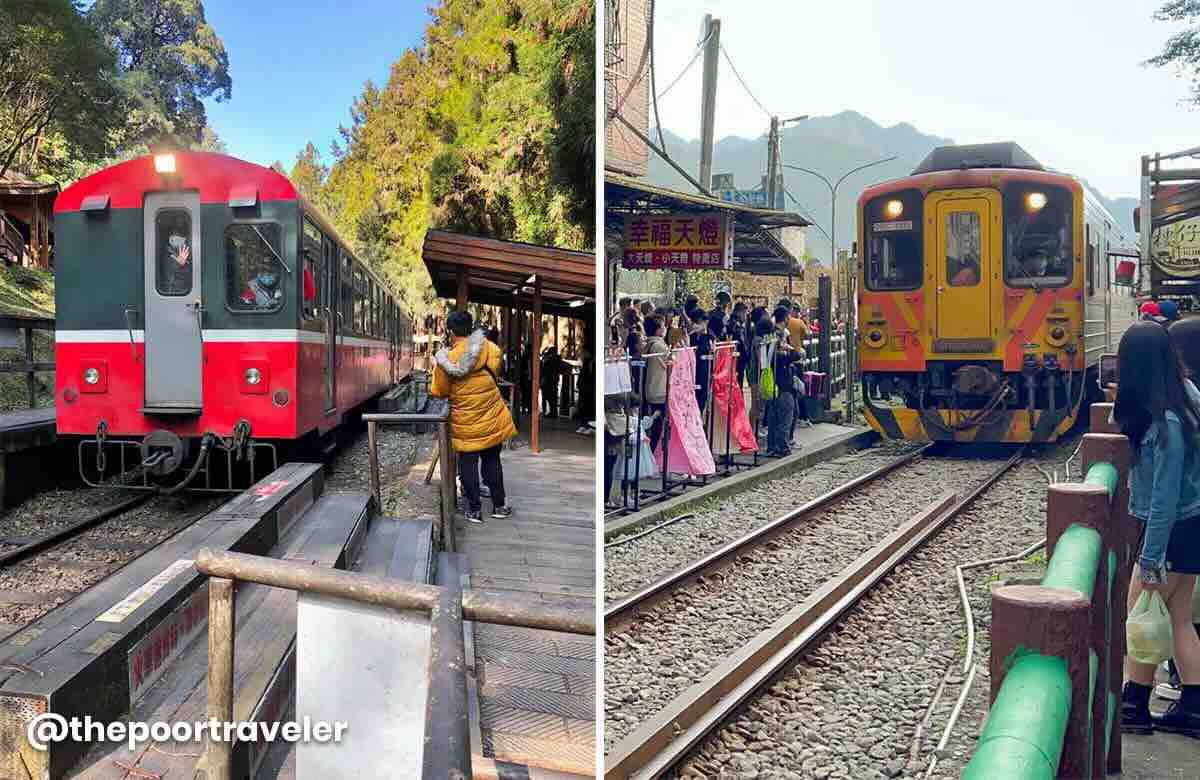
If death or injury doesn’t deter you, know that if you don’t follow rules, you may also be slapped with a big fine, in accordance to Article 57 of Taiwan’s Railway Act.
But aside from train tracks, you should also be extra careful when hiking. Taroko Gorge in particular sees several accidents involving tourists who stray off designated paths or entering rockfall zones. And make sure you have the proper equipment especially when it’s cold.
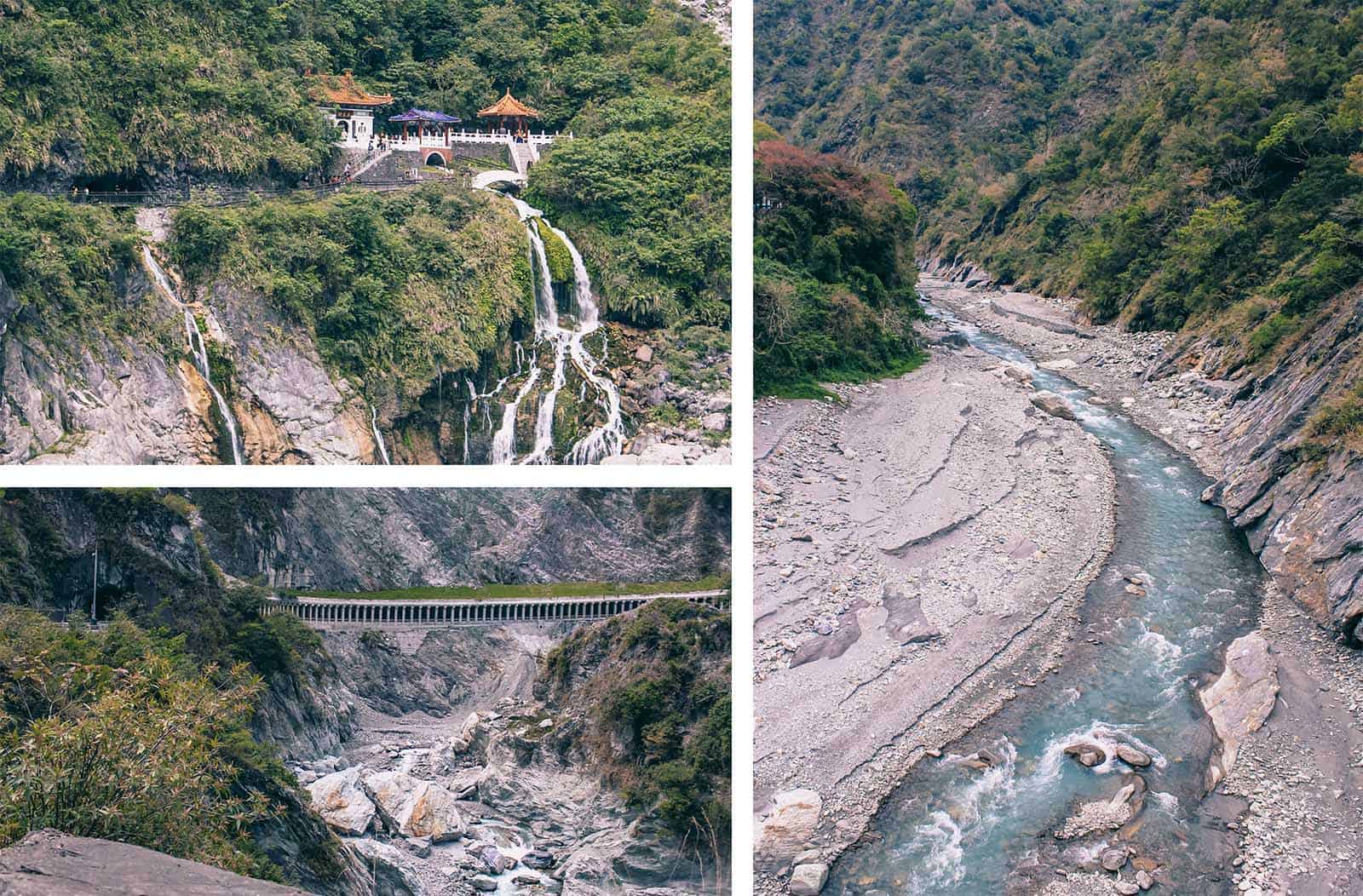
At the end of the day, basic situational awareness goes a long way in Taiwan:
- Watch for scooters when crossing streets. They are numerous and may come from unexpected directions.
- Obey pedestrian crossing signals. And yes, even when the road looks clear.
- Be mindful of wet floors in typhoon season. Marble surfaces in train stations and shopping malls can become dangerously slippery.
6. Failing to account for Taiwan’s weather.
Taiwan’s weather is one of the most important but most frequently underestimated factors in planning a successful trip. Getting caught in a typhoon without a backup plan, or scheduling a full outdoor day in the middle of a July afternoon, can derail an otherwise great itinerary.
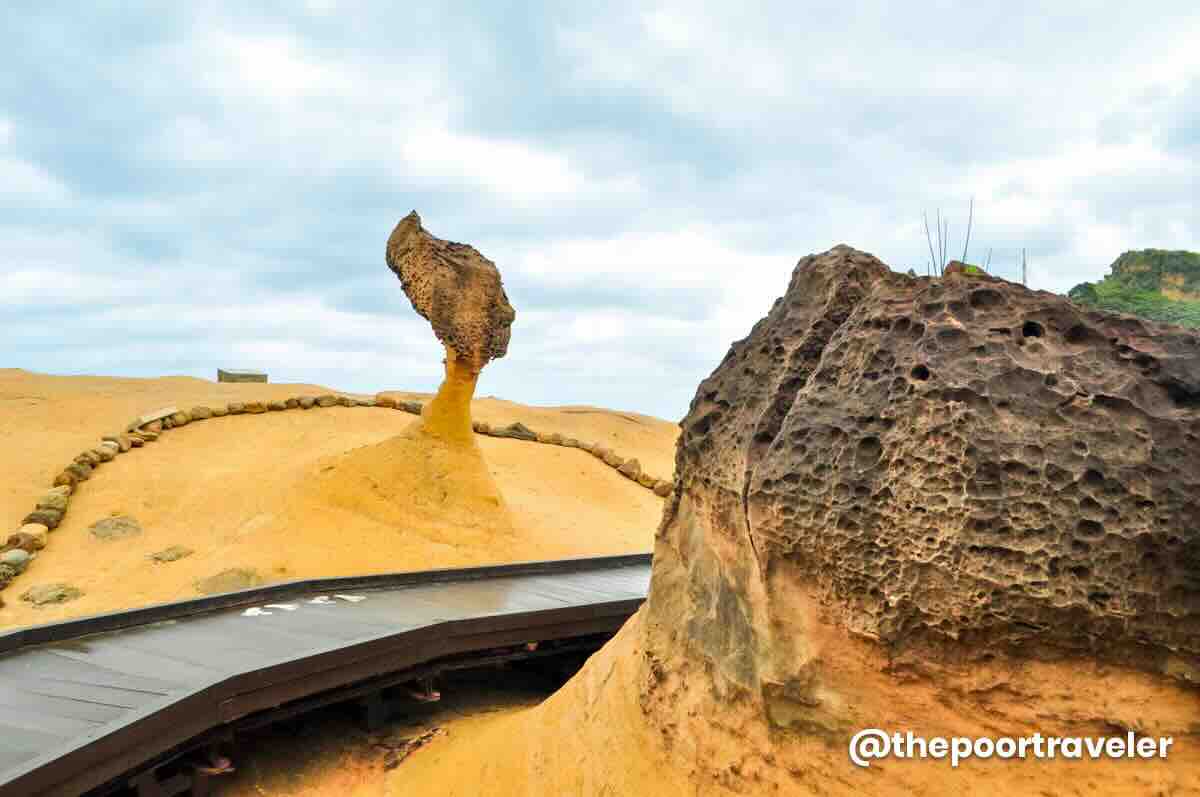
Taiwan experiences subtropical weather in the north and tropical weather in the south. The general seasonal breakdown is:
- Spring (March – May): Mild and pleasant, occasional rain. Good for hiking and outdoor sightseeing. Cherry blossoms appear in the mountains in February and March.
- Summer (June – August): Hot, humid, and typhoon season. Temperatures in Taipei regularly exceed 35°C (95°F). Midday outdoor activity is exhausting. This is peak tourist season for beaches in southern Taiwan (Kenting, Green Island, Lanyu).
- Autumn (September–November): Cooling temperatures, lingering typhoon risk into October. Generally considered one of the best times to visit.
- Winter (December–February): Taipei and the north get cool; southern Taiwan stays relatively warm and sunny.
If you are visiting in summer, schedule major outdoor attractions — hiking, coastal visits, mountain trips — in the morning. Before 10 AM, conditions are manageable. Between noon and 4 PM, temperatures and humidity are punishing.
If your trip falls between June and October, be aware that it is typhoon season. This does not mean your trip will be ruined. Typhoons move fast and clear quickly. But it does mean you need flexibility in your itinerary.
The most practical advice: allow some flexibility. Do not schedule activities that cannot be rescheduled. And add some time allowance for anything in case you decide to stay longer at an attraction because of the rain or your flight gets delayed.
✅ PRO TIP: Download the Central Weather Administration app (CWA Taiwan) for the most accurate, up-to-date weather forecasts across the island. It includes typhoon tracking and UV index data.
7. Relying on only one mode of transportation.
Taiwan’s public transportation system is one of the best in Asia — punctual, clean, affordable, and extensive. But over-relying on a single mode of transport, most commonly the MRT, means missing out on convenience, flexibility, and occasionally the only practical way to reach your destination.
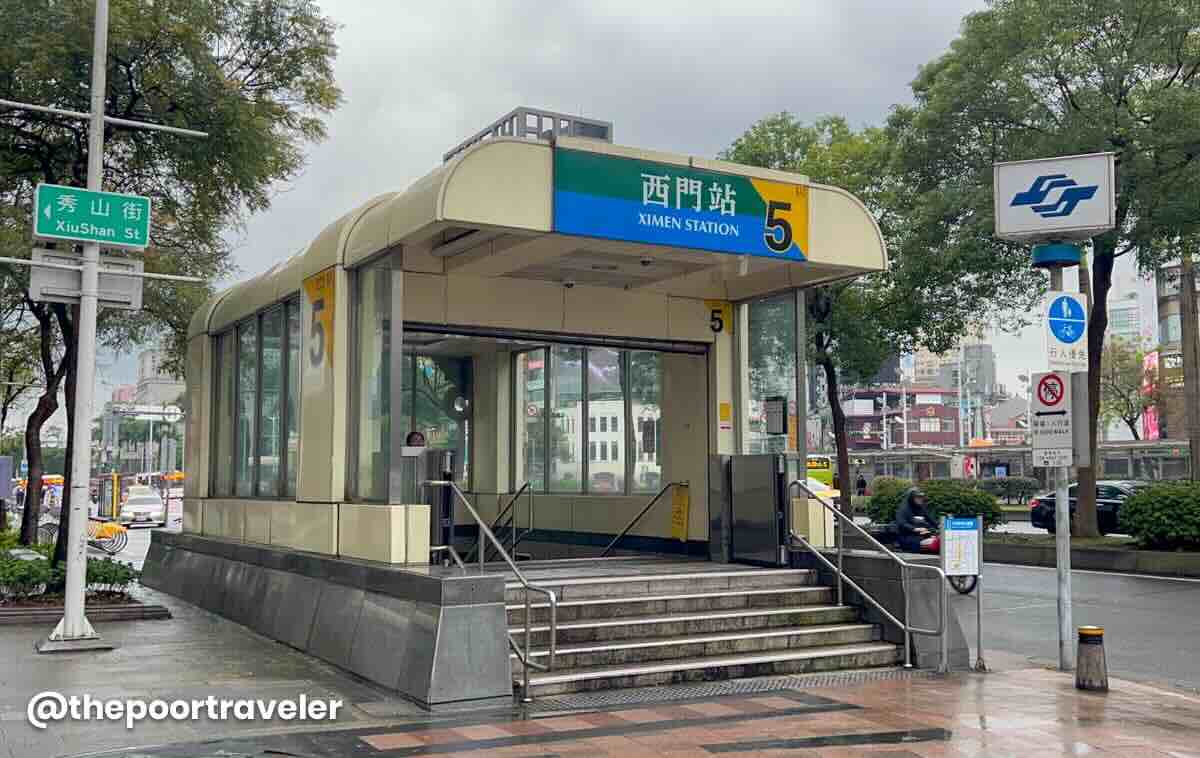
The Taipei Metro (MRT) is the backbone of urban transportation in the capital. With over 100 stations across multiple lines, it connects most major tourist attractions, shopping districts, and neighborhoods efficiently. The fare system is straightforward, the trains run on time, and the stations are immaculately clean. For getting around central Taipei, the MRT is almost always the right choice. But not everything is MRT-accessible.
Buses
Taiwan’s bus network — both city buses and intercity coaches — is comprehensive, air-conditioned, and affordable. City buses in Taipei are especially useful for reaching neighborhoods or attractions that are not served by an MRT station. Intercity buses operated by companies like Ubus, Kamalan, and Greyhound Taiwan connect major cities and tourist regions efficiently and at a fraction of the cost of a train ticket.
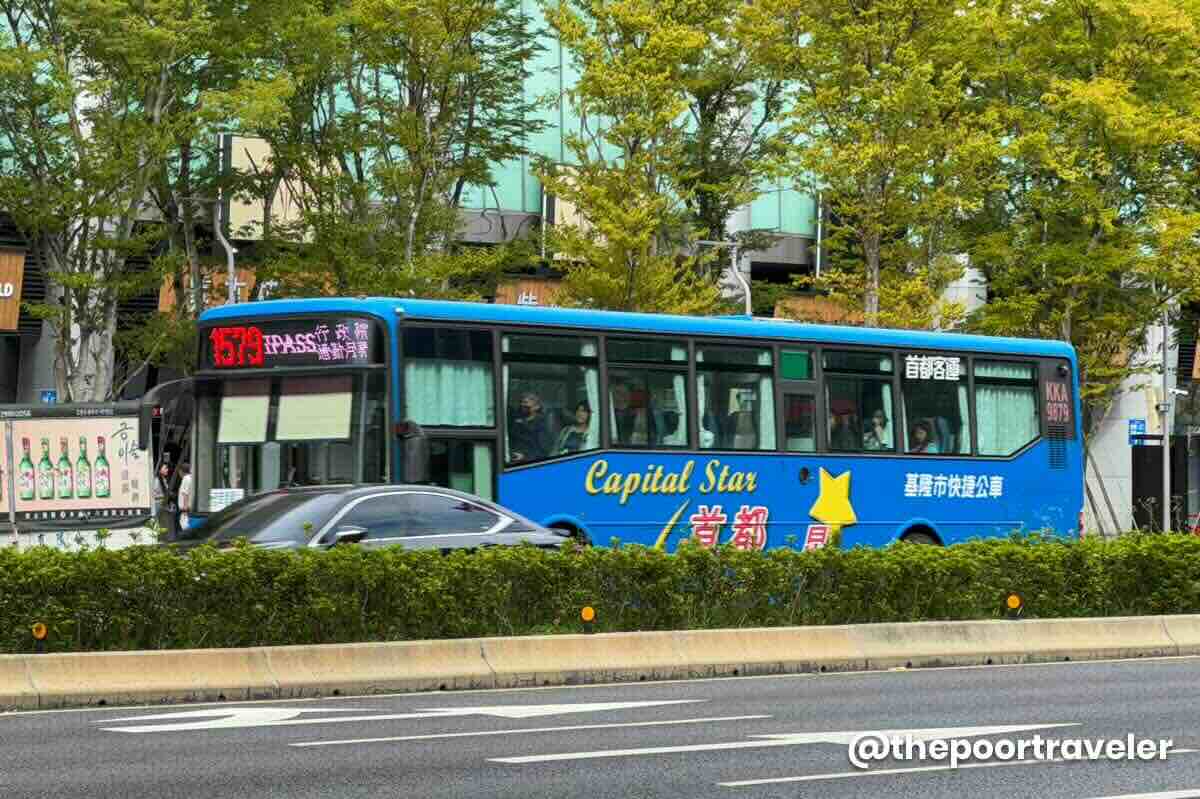
Many travelers ignore the bus entirely because it seems complicated, but a little research goes a long way.
Taxis and Ride-Hailing
For destinations that are far from any station or bus stop, or when you are traveling with luggage or as a group, taxis and ride-hailing services like Uber and LINE Taxi are practical and reasonably priced. Taiwan’s taxi drivers are generally honest and use meters. Scams are rare.
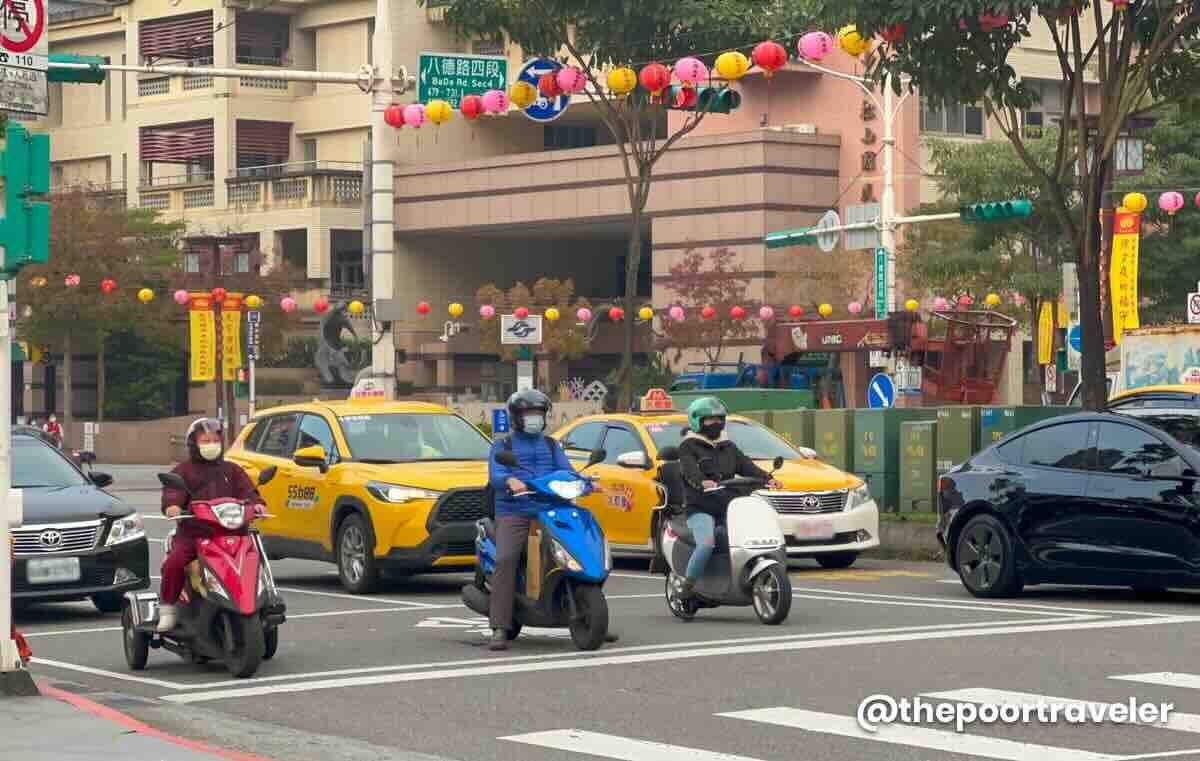
Ride-hailing apps allow you to input your destination in English, which eliminates language barriers entirely. Prices are displayed upfront, and payment can be handled via the app.
Guided Tours
Some of Taiwan’s most iconic destinations are poorly served by public transportation, and attempting to visit them independently can turn a pleasant day trip into an exhausting ordeal.
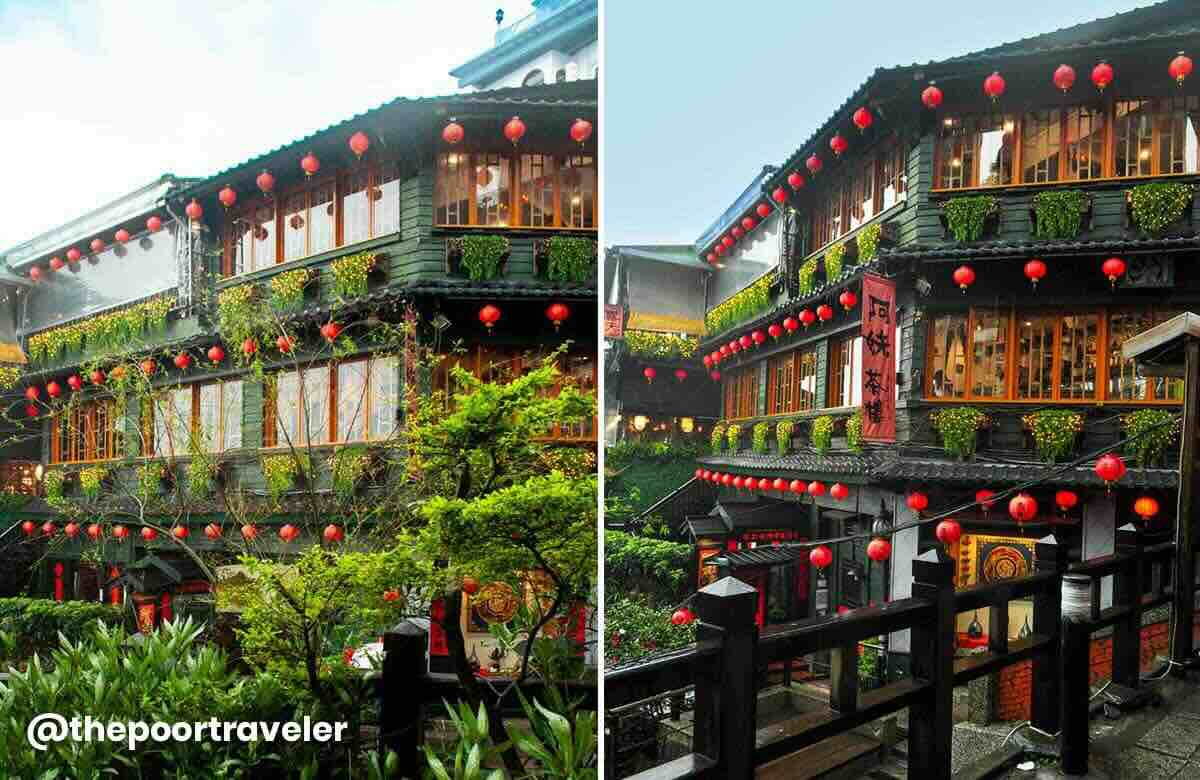
The classic northern Taiwan day-trip itinerary (Yehliu Geopark, Jiufen Old Street, and Shifen) is a perfect example. Completing all three destinations in one day via public transport is technically possible but practically grueling. A guided day tour or a hired van with a driver handles the logistics, reduces travel time significantly, and often includes a guide who can share the history and context of each site.
8. Talking loudly on public transportation.
Taiwan’s trains, MRT, and buses are quiet spaces, and Taiwanese commuters intend to keep them that way. They are transit spaces. People read, scroll through their phones, listen to music through earphones, or simply rest. Loud conversation, phone calls, and music played through speakers are widely considered rude.
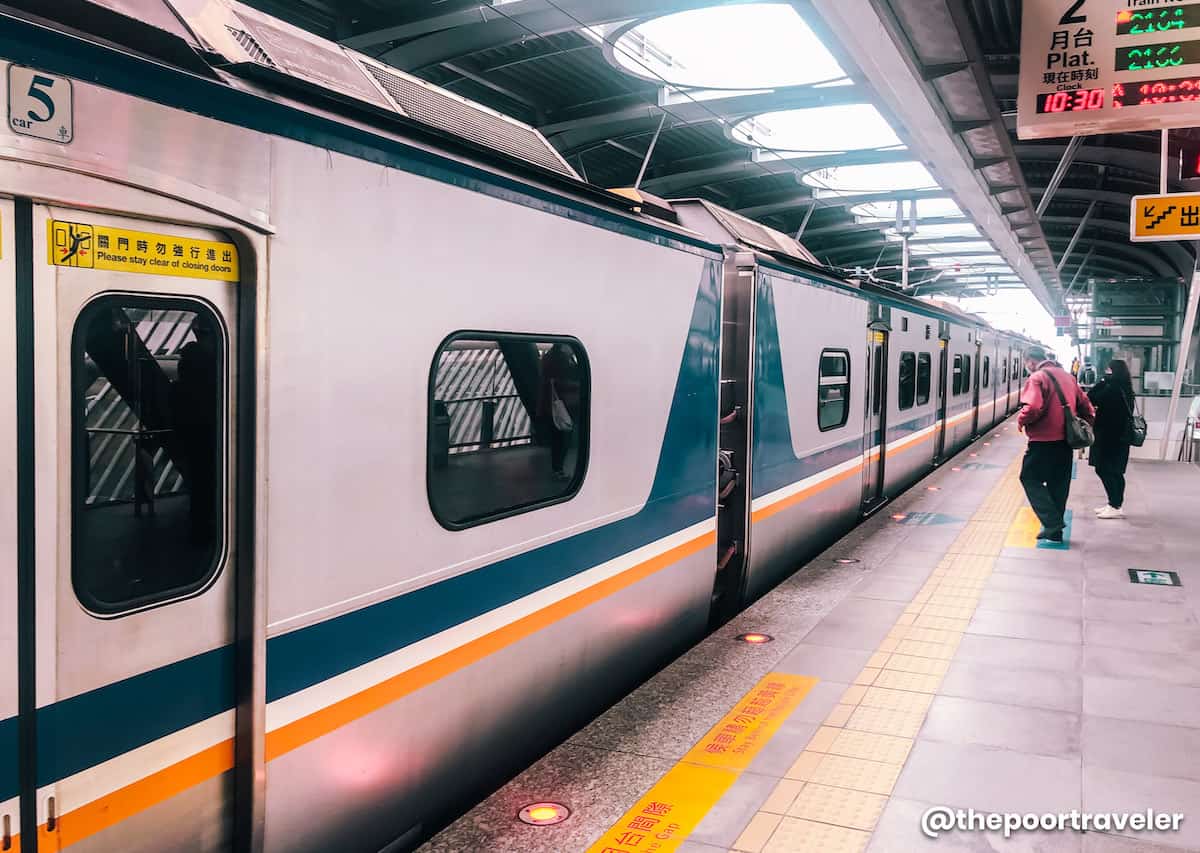
A few times, photos of “Keep Quiet” signages on buses have gone viral online particularly because of the language used — Tagalog. And it tells us who these signs specifically are for. I know, we Filipinos are warm, social, and expressive people — all beautiful qualities — but when in Taiwan, the cultural expectation is clear, and respecting it is a mark of a considerate traveler.
9. Not knowing escalator etiquette.
OK, now this is a bit complicated. For decades, Taipei followed the escalator convention common across much of Asia and Europe: stand on the right to allow others to walk on the left. This system became deeply ingrained in commuter behavior, especially on the MRT, where it was practically enforced by social pressure.
But in Taipei, this rule is being actively reconsidered. In recent years, a growing body of research and real-world traffic studies have demonstrated that it is actually less efficient than having all passengers stand on both sides.
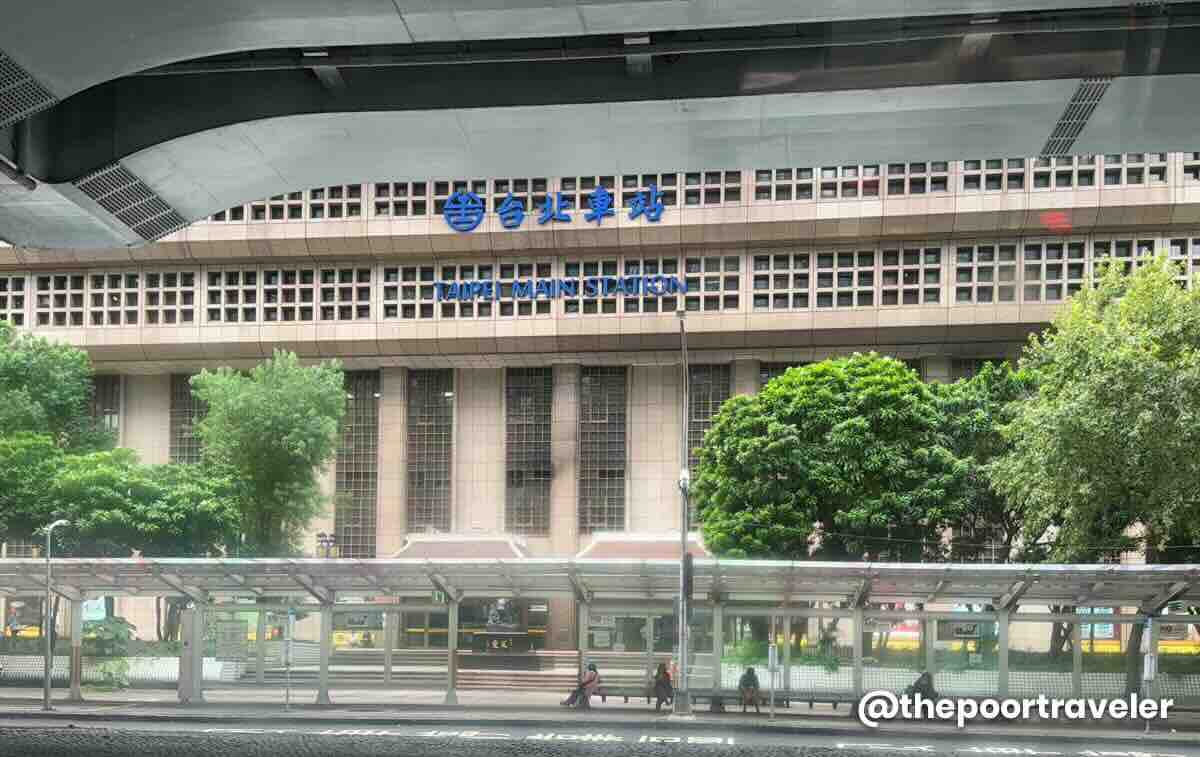
At Taipei Main Station, since around 2020, signs urging passengers to stand on both sides of the escalator have become increasingly common. Announcements have echoed the message. The goal is to reduce congestion during peak hours and improve overall passenger flow.
So what to do? As a visitor, the safest approach is to observe what others around you are doing and follow their lead. If the station you are in has prominent signs encouraging both-side standing, respect that. If you see a long queue on the right with an empty left lane, you may wish to stand on the right anyway to avoid the social friction of bucking local habit.
10. Tipping (in most cases).
Tipping is not customary in Taiwan. In some contexts, offering a tip can actually come across as awkward.
Service workers (including restaurant waitstaff, taxi drivers, hotel staff, hairdressers, and spa therapists) are paid a fair wage and do not rely on tips to supplement their income. Many mid-range and upscale restaurants in Taiwan add a 10% service charge to the bill.
This replaces the need for tipping entirely. The hospitality you receive in Taiwanese restaurants reflects genuine service culture, not tip-seeking behavior.
However, some high-end hotels that cater primarily to international (particularly Western) guests may have adapted to tipping norms. Bellhops and concierge staff in five-star international hotels are sometimes familiar with the practice. Tour guides, especially those running private tours for foreign visitors, often appreciate tips as a gesture of exceptional service. That said, it remains optional, not mandatory or even expected.
Taiwan rewards curious, respectful, and well-prepared travelers. None of the mistakes in this guide are difficult to avoid. Most require nothing more than a little research before you leave home: check your visa terms, declare your food items honestly, download the weather app, and put your phone away near the train tracks.
The rest — the noodle soups, the mountain mist, the lantern-lit lanes of Jiufen, the friendly strangers who will go out of their way to point you in the right direction — all of that will take care of itself.
Protect your finances when traveling!
Getting a travel insurance is optional, but we highly recommend this, especially when traveling abroad. Travel can be unpredictable, and though we hope we’ll never use it, having it gives us peace of mind in case of unexpected delays, cancellations, or emergencies.
For international destinations, consider PGA Sompo’s TravelJOY Plus insurance. You can GET IT HERE. Don’t forget to use WORTHIT for a special affordable rate.

Join The Poor Traveler Support Group
✅ If you have any questions or need travel tips, feel free to post them to the TPT Support Group. The members are very helpful. This Facebook support group has been around for a long time, and many members have found travel buddies through it. You can join too! Just visit The Poor Traveler Support Group. Note that this is different from The Poor Traveler Facebook page.
Updates Log
2026 3 24 – First uploaded
Edited by: Asta Alvarez