Welcome to the TPT Travel Guide to FUKUOKA, JAPAN! In this article, we’ll share with you tips on which area to stay in Fukuoka, how to get there from Fukuoka Airport, how to get around, and the best things to do in the city. You’ll also find a sample itinerary with budget breakdown.


If Japan’s big cities were a family, Fukuoka would be the uncle in their thirties. Modern enough, still busy most of the week, likes to cook, and loves to eat even more. But in general, it’s more laidback, more relaxed, and easier to hang out with. This guide will help you get to know Uncle Fukuoka a little better.
FUKUOKA TRAVEL CHECKLIST
If you have upcoming trip to Fukuoka, here’s a checklist of travel essentials. You’ll also find links to some of our recommended hotels, tours, and attractions for easy reference in the future.
Fukuoka Travel Essentials
- Passport. Your passport must be valid for at least six months beyond your intended departure date from Japan. Make sure to check the expiration date well in advance and renew if necessary.
- Japan Visa. There are two main types: Tourist Visa and Visit Visa. The type of visa to get depends on whether you have someone to visit or sponsor your trip there (Visit Visa) or none (Tourist Visa).
- Visit Japan Web. This serves as Japan’s all-in-one Arrival Card, Health Declaration, and Customs form.
- Cash and Credit/Debit Cards
For Filipino Travelers
- eTravel. Just go to etravel.gov.ph or use the eGov app. This functions as the Philippines’ unified Departure/Arrival Card, Health Declaration, and Customs form.
- Travel Tax. The standard travel tax is P1620 for economy/business class passengers and P2700 for first class.
- Return Flight Booking
- Accommodation Booking. You can find deals on Agoda! Use AGODATPT for 10% off, applicable on select hotels.
Comfort & Safety
- Internet Connection. You can get: Data SIM Card | eSIM | Pocket Wifi
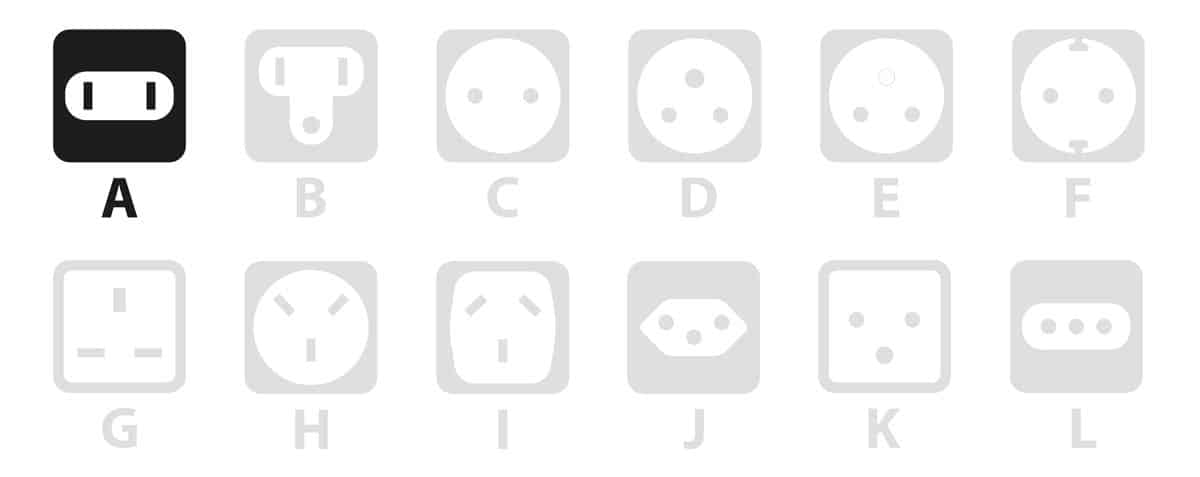
- Travel Adapter. Japan has Type A electrical outlets. Most establishments have two-pin flat plugs at 100 V and 50/60 Hz.
TESSAN Universal Travel Adapter
Momax 1-World Universal 2-Port USB Travel Charger- Portable Fan. This will be useful especially during the hot and humid months from June to August.
Aecooly Aero Pro – Can last up to 14 hours and has six levels.
Aecooly Halo – Cheaper but reliable fan.
Aecooly Pocket – Foldable handheld fan.- Travel Insurance. While not mandatory, comprehensive travel insurance is highly recommended to cover medical emergencies, trip cancellations, and lost belongings during your stay. You can get budget-friendly travel insurance with PGA Sompo TravelJoy. Just visit www.thepoortraveler.net/protect and use promo code WORTHIT for a special, lower rate.
Transportation Passes to Consider
Top Fukuoka Attractions
Top Fukuoka Day Tours
✅ You can also visit our The Poor Traveler Masterlist. Here, we compiled travel essentials, including immigration requirements and all our recommended hotels and attractions. Just visit this page: TPT Masterlist. Then, scroll until you see the section about Fukuoka. We also have a compilation for other destinations around the world.
UNDERSTANDING FUKUOKA
For many, Fukuoka is the ramen capital of the world and the birthplace of the most revered tonkotsu ramen, famous for its pork bone-based broth. In Fukuoka and Kyushu in general, tonkotsu is synonymous with Hakata ramen, named after the city’s central ward.
Hakata was a city on its own. But in 1889, it was merged with neighbor Fukuoka, present-day Tenjin, to form a bigger prefectural capital. Today, Hakata and Tenjin are the two wards making up the city center, where most of the action happens. The two are divided by a river. Hakata Station retains its name and is the central railway station in Fukuoka.
One thing I noticed about Fukuoka is that although it is undoubtedly modern, it moves at a gentle, relaxed pace. This makes Fukuoka an ideal choice for travelers visiting Japan for the first time or a perfect first stop in a multi-city tour around the archipelago.
Other info you need to know:
- Language: Japanese (Nihongo). The majority of the locals seldom speak English, but most of the signs and other tourist promotional materials have English translations.
- Timezone: UTC+09:00 (JST – Japan Standard Time), year round. No daylight saving time observed. Same time zone as South Korea. Generally, Japan is one hour ahead of the Philippines, Singapore, and Malaysia.
- Currency: Japanese Yen (JPY, ¥). JPY 1000 is around USD 6.30, EUR 5.41, SGD 8.11, PHP 375 (as of January 2026).
- Modes of Payment: Most smaller establishments prefer cash payment, but bigger ones also accept credit card transactions and digital wallets.
- Electricity Info: 100V, 50/60 Hz. Type A sockets. Plugs have two flat pins. Type B is sometimes used but not that common.
WHERE TO STAY IN FUKUOKA
Fukuoka’s city center is composed of two wards: Hakata and Tenjin, divided by the river. For locals and tourists alike, these areas are unavoidable.
Many key tourist spots are on the Hakata side, but most budget hotels are in Tenjin. If you can, choose a hotel that is not too far away from either Hakata Station or Tenjin Station. As long as you’re close to either, it will be easy for you to explore the rest of the city.
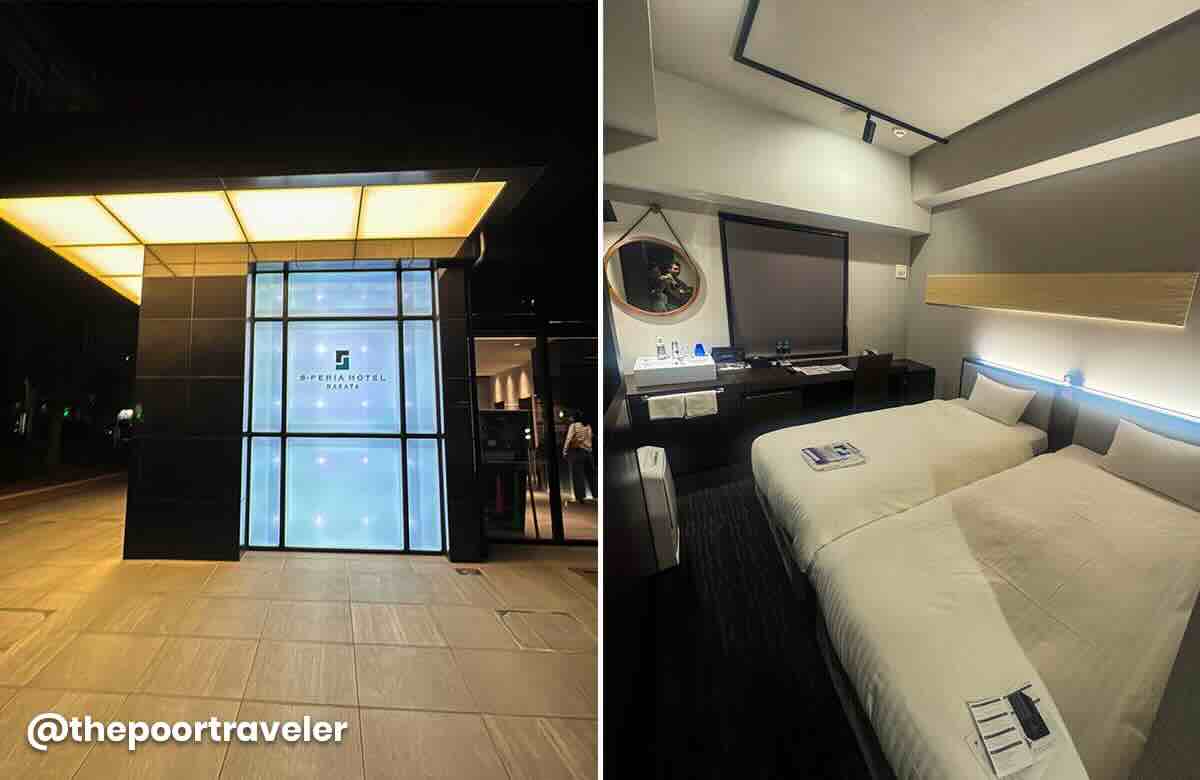
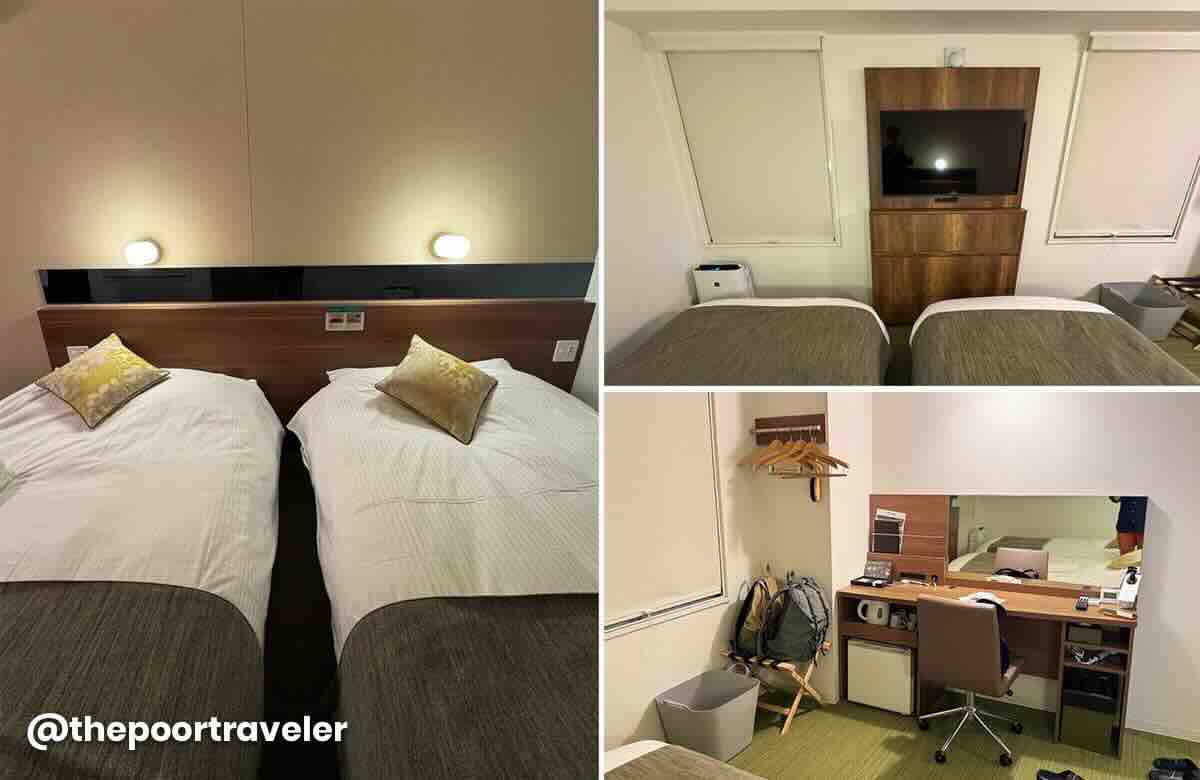
But for me, the best district to stay in is the area surrounding Hakata Station. On our last few visits, we stayed at three different hotels on the Hakata side, close to Hakata Station:
- S-Peria Hotel Hakata, with off-season rates that can go as low as JPY 8360 (USD 53.50, PHP 3148) per night. It’s your typical hotel with very limited space. But it covers all the basics like a work station, flat iron, hair dryer, in-room sink, toiletries, mini-fridge, TV, and robes. The best part, it’s only a 4-minute walk from Hakata Station. Check Rates & Availability! ✅

- Super Hotel Premier Hakataeki (aka Super Hotel Lohas Hakata Station), which offers visibly more spacious rooms. Prices can go as low as JPY 12,400 (USD 79, PHP 4667) per night in off-peak season. The beds are also wider than usual. It also has a TV, mini-fridge, electric kettle, cups, work station, and blower. It’s located on the other side of Hakata Station, eight-minute walk away. Check Rates & Availability! ✅
- The Blossom Hakata Premier, which is owned and managed by JR Kyushu, great if you have a bigger budget. It’s a stylish hotel, about seven-minute walk from the station. It’s a bit luxurious, with 238 rooms designed with traditional Hakata textiles and modern comforts. The attention to detail here is very thoughtful. Guests can also indulge at its restaurant serving Kyushu-inspired dishes made from local ingredients and complimentary men’s and women’s baths, including sauna with Fukuoka cultural themes and a fitness room, too. It’s not for the budget traveler, as a room here can set you back at least JPY 25,600 (USD 164, PHP 9649). Check Rates & Availability! ✅

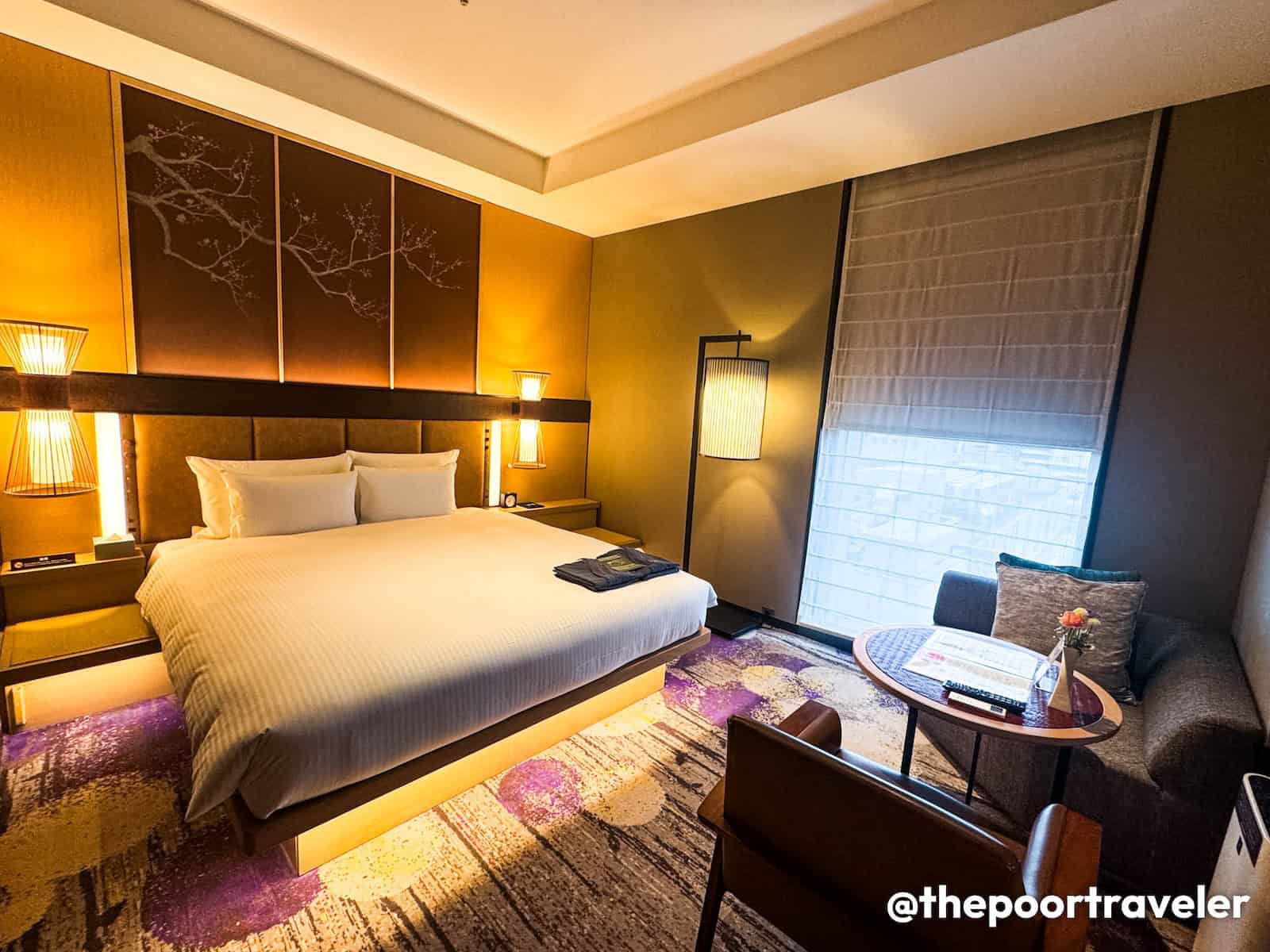
All the prices mentioned here are off-peak rates. These can skyrocket in peak season and around public holidays.
These are not the cheapest options out there. For the longest time, we would always stay on the Tenjin side because we would find cheaper rooms there. But we really wanted to stay close to Hakata Station this time around, as we had never tried it before.
But for your convenience, here are some of the cheapest properties in Fukuoka we found online:
Use our promo code AGODATPT, which will give you 10% OFF. That’s a lot of savings, especially if you’re booking expensive hotels or multiple nights, because it’s capped at USD 100 or roughly P5800. That’s a big discount.
✅ To redeem this code, download and open the Agoda app, and on the COUPONS tab, enter AGODATPT (all caps). Then choose a property and room type, and upon checkout, enter AGODATPT again to avail of the special rate.
You can use this code for most hotels on Agoda!
Top Budget Hotels in Fukuoka
- Toyo Hotel. Check Rates & Availability! ✅
- Hotel Monte Hermana Fukuoka. Check Rates & Availability! ✅
- Fukuoka Toei Hotel. Check Rates & Availability! ✅
- Hakata Tokyu REI Hotel. Check Rates & Availability! ✅
- Hotel Monterey La Soeur Fukuoka. Check Rates & Availability! ✅
Top Hostels in Fukuoka
- WeBase HAKATA Hostel. Check Rates & Availability! ✅
- Fukuoka Guesthouse SHIP. Check Rates & Availability! ✅
- Fukuoka Hana Hostel. Check Rates & Availability! ✅
- Fukuoka Guesthouse HIVE. Check Rates & Availability! ✅
- Montan HAKATA. Check Rates & Availability! ✅
Search for more Fukuoka Hotels!

HOW TO GET TO FUKUOKA
The newly-renovated Fukuoka Airport (FUK) is the primary gateway to Fukuoka City and Kyushu Island in general. It is Japan’s fourth busiest airport (next to Haneda, Narita, and Kansai) and is connected to virtually every other airport in Japan.

Cebu Pacific, Philippine Airlines, and ANA all fly directly from Manila to Fukuoka. Travel time is three hours and 50 minutes.
But you can also consider other airlines with a layover, the most practical of which are those connecting in Taipei, offered by China Airlines and EVA Air.
You can book a roundtrip ticket for as low as P8000 if you chance upon a seat sale. Because it’s not as popular as other Japan destinations like Osaka and Tokyo, it’s usually much easier to snag promo seats on Fukuoka flights and less competition.
TIP! The Cebu Pacific flight to Fukuoka is scheduled in the afternoon, so grab the chance to catch the sunset from the plane. Pick a seat on the left side when facing the cockpit (ABC side).
What to Do Upon Airport Arrival
Upon arrival and deplaning in Fukuoka, the first thing to do is clear the Immigration inspection.
Immigration Check
- Follow the signs that point to the Immigration Area and queue up.
- When it is your turn, approach the counter, hand over your passport to the Immigration Officer.
- Scan your Visit Japan Web QR code. If you don’t have this code, get a paper arrival form and accomplish it before queuing.
- Face the camera for a photo and press your index fingers on the fingerprint scanners.Once everything is in order, the Officer will hand your passport back to you with a landing permit.
- Exit and look for the escalator going down to the carousel or baggage area.
Customs Check
- At the baggage claim area, pick up your luggage and walk towards the exit.
- At the exit gate, your Visit Japan Web QR Code will be scanned again.
- Stand in the middle of the electronic customs scanner area with your luggage. You should be able to clear this easily, but sometimes, a manual inspection is done. It happened to us on our most recent trip, maybe because I did not have a checked-in luggage, only a small backpack. An officer asked why I didn’t have a luggage and answered that my companion and I shared a suitcase. He asked where Vins was. I pointed to him, and we were both asked to move aside to another area. He then asked us to open the luggage, and he inspected it manually.
- Exit the Customs area into the Arrival Hall.
SIM, ATM, Currency Exchange
The first thing that will greet you at the Arrival Hall is the big signage pointing to the buses. But behind it are two rows of kiosks offering SIM cards, mobile wi-fi, and currency exchange. If you prefer withdrawing from an ATM, turn right. Tucked in a corner toward the end are two Seven Bank ATMs.

When it comes to internet connection, whether SIM Card or eSIM, it’s cheaper to get it here at the airport than to book online. They usually offer promos that are only available on-site.
Transportation and Tourist Passes
If you need to pick up a pass, you can also do that here.
- Fukuoka City Tourist Pass: Redeem at the HIS/EasyGo counter.
- JR Kyushu Pass: Redeem at the JR Kyushu Exchange Counter at the very end of the left row. This is open only from 9:00 AM – 5:00 PM. If your flight is arriving at night, just pick up your pass at Hakata Station the next day.
When you have everything you need, it’s time to get to the city center.
FUKUOKA AIRPORT TO CITY CENTER
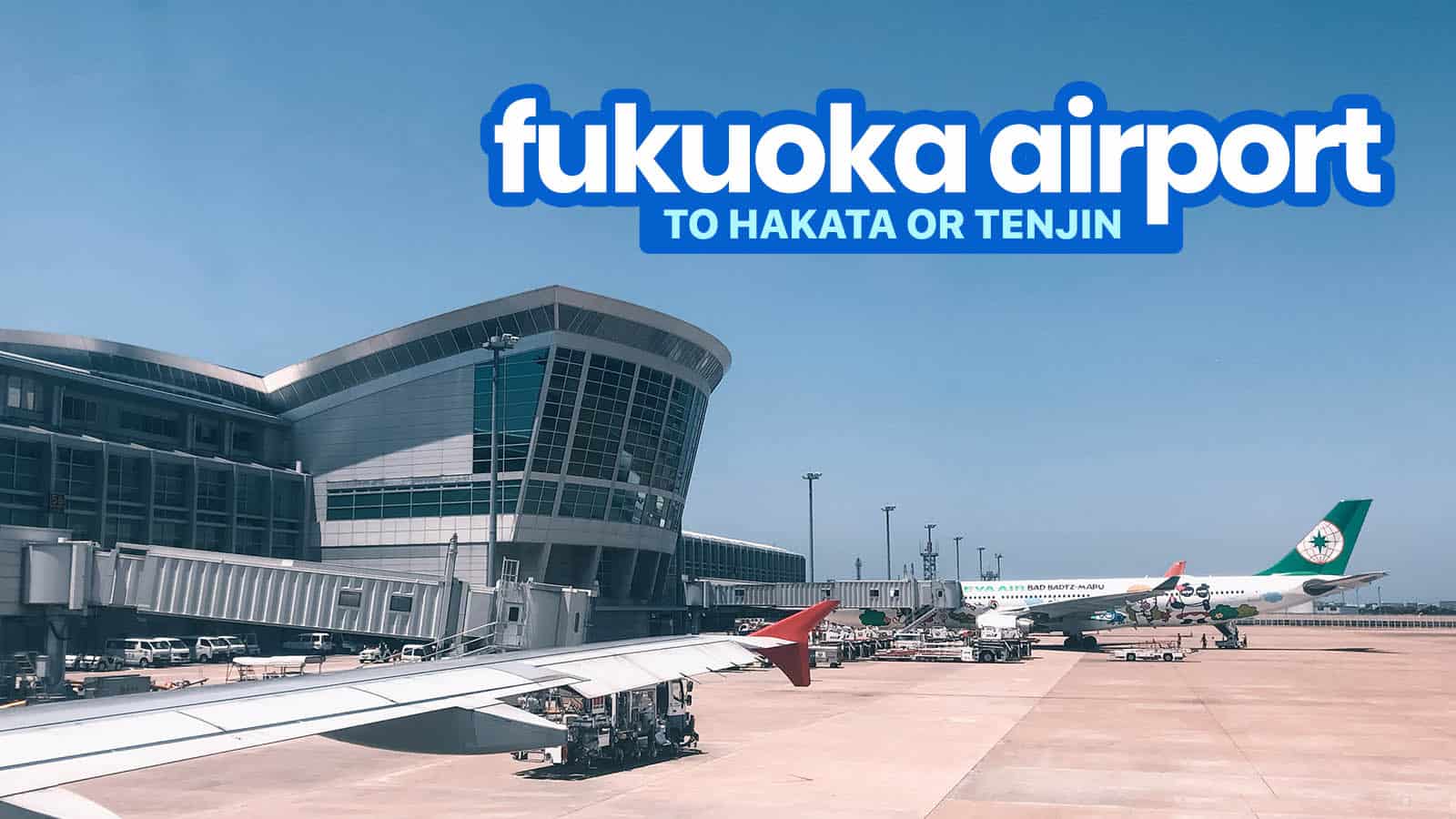
Fukuoka Airport (FUK) is located within the city, so getting to Hakata Station or Tenjin area should be quick and easy. The domestic and international terminals are housed in two separate buildings built on either side of the runway.
But only the domestic terminal has a subway station. There is NO subway station at the International Terminal.
By Subway
If you insist on taking the subway to the city center, here’s how:
- Catch the FREE airport bus service to the Domestic Terminal.
- Alight at Domestic Terminal 2, the last stop, where the subway station is located.
- Go down to the underground level and get a ticket.
- Take the Kuko Line for Meinohama or Chikuzemmaebaru.
- Alight at Hakata Station, which is only two stops away. Travel Time: 5 minutes. Fare: ¥260.
If you’re going to Tenjin Station, it’s three stops away. Travel Time: 12 minutes. Fare: ¥260.
By Bus
This is the easiest and most convenient way. You have two main options, depending on your destination.
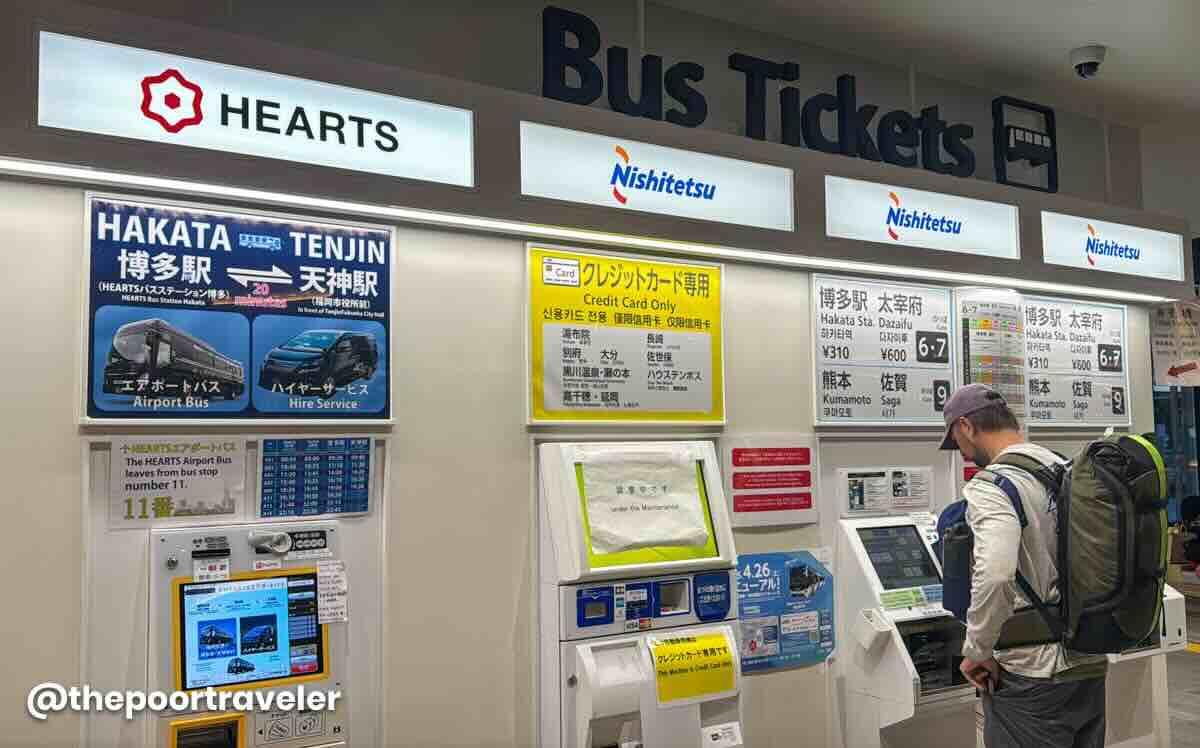
- Fukuoka Airport to Hakata Station. Take the Nishitetsu Bus. When getting a ticket, make sure that you are using a Nishitetsu machine. The fare is ¥310 per person, one-way. Then, proceed to Gate 6-7. The travel time to Hakata Station is 20 minutes.
- Fukuoka Airport to Tenjin. Get on the HEARTS bus, the better option as it goes directly to Tenjin. However, the fare is almost double that of the Nishitetsu Bus at ¥600 per person. This bus also makes a stop at Hakata Station. The travel time to Tenjin is around 40 minutes.
By Taxi
If you’re a group or your hotel is far from Tenjin or Hakata Station, taxis are widely available. On our previous visit, the taxi fare was only ¥1200, but these days, it’s probably closer to ¥1600 – ¥2000 or more, depending on where in Hakata you’re headed. This is based on online sources, we’re not really sure since we’ve mostly been taking the bus lately.
WHAT FUKUOKA PASS TO GET
Fukuoka City Passes
If you’re staying within Fukuoka City only and you’re taking public transportation multiple times a day, get one of the following passes:
Fukuoka Tourist City Pass
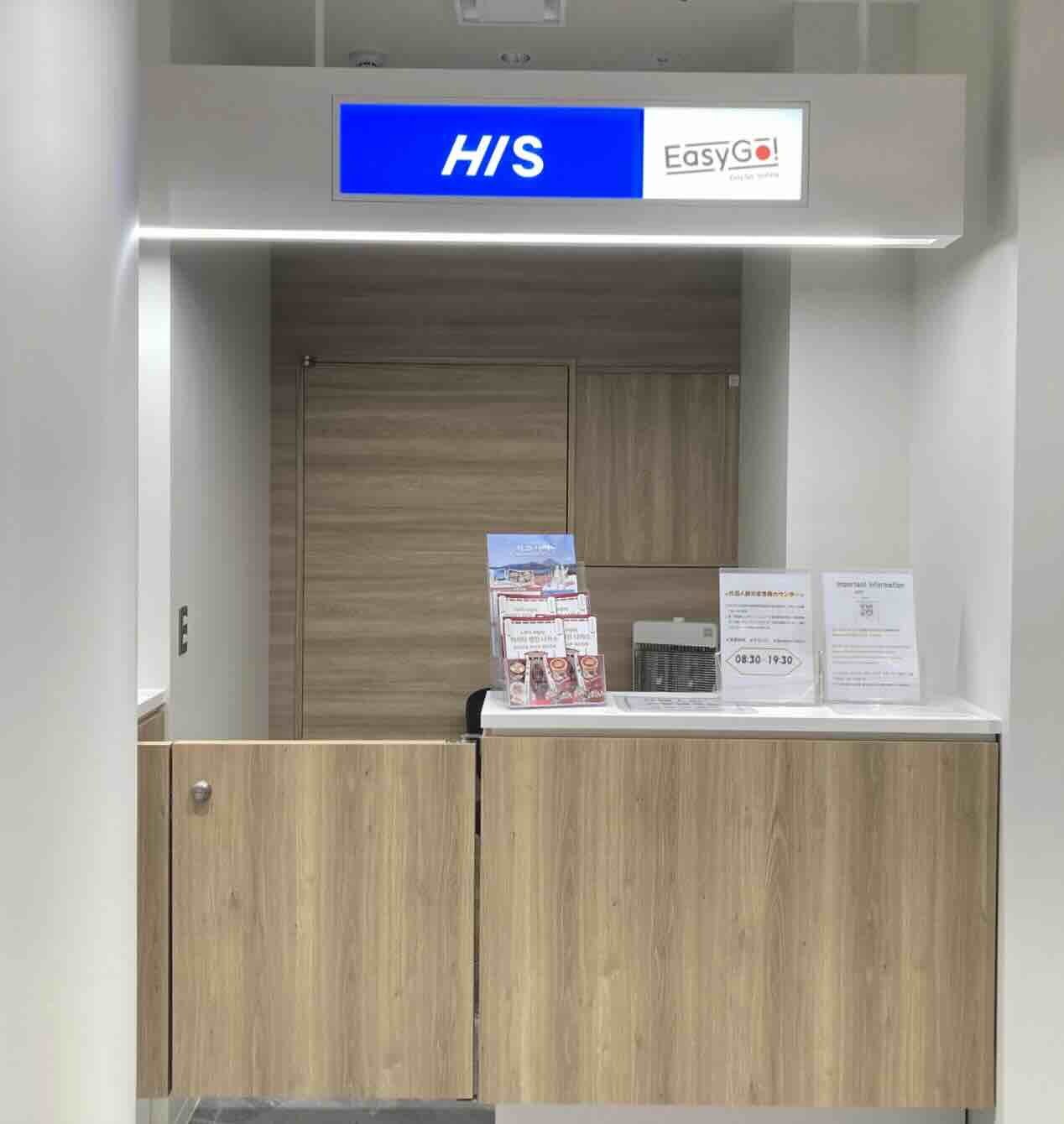
This will enable you unlimited rides on buses, JR trains, Nishitetsu trains, subways, and even municipal ferries around the city. Again, you can redeem your Fukuoka City Tourist Pass at the HIS/EasyGo counter at the airport.
Validity: 1 day
Price
- Fukuoka Tourist City Pass: Adults, ¥2500; Children, ¥1250
- Fukuoka + Dazaifu Tourist City Pass: Adults, ¥2800; Children, ¥1400
1-Day Subway Pass
This will allow you unlimited rides on any Fukuoka City Subway routes (Meinohama to Fukuoka Airport Line, Hashimoto to Hakata Line, Nakasu-Kawabata to Kaizuka Line). Subway only, buses and JR trains excluded. Valid only for one day, on the day of purchase.
Validity: 1 day
Price: Adults, ¥640; Children, ¥320
IC Card
IC cards are not passes. In case none of these passes are for you, but you don’t want to fall in line or get a ticket each time you use public transportation, you can use a Hayakaken instead. HAYAKAKEN is an IC card. All you need to do is hover the card upon entry to the subway station or bus and you’re good to go.
But if you already have an ICOCA, PASMO, or SUICA, they will all work in Fukuoka, too, for as long as you don’t use it on an inter-regional journey.
Kyushu Train Passes
If you plan on visiting multiple destinations on Kyushu Island aside from Fukuoka City, it may be wise to get a JR Kyushu Rail Pass. There are three types available: the Southern Kyushu Pass, the Northern Kyushu Pass, and the ALL Kyushu Rail Pass. Only the last two cover Fukuoka.
✅ CHECK OPTIONS & GET JR KYUSHU PASS HERE!
JR Northern Kyushu Rail Pass
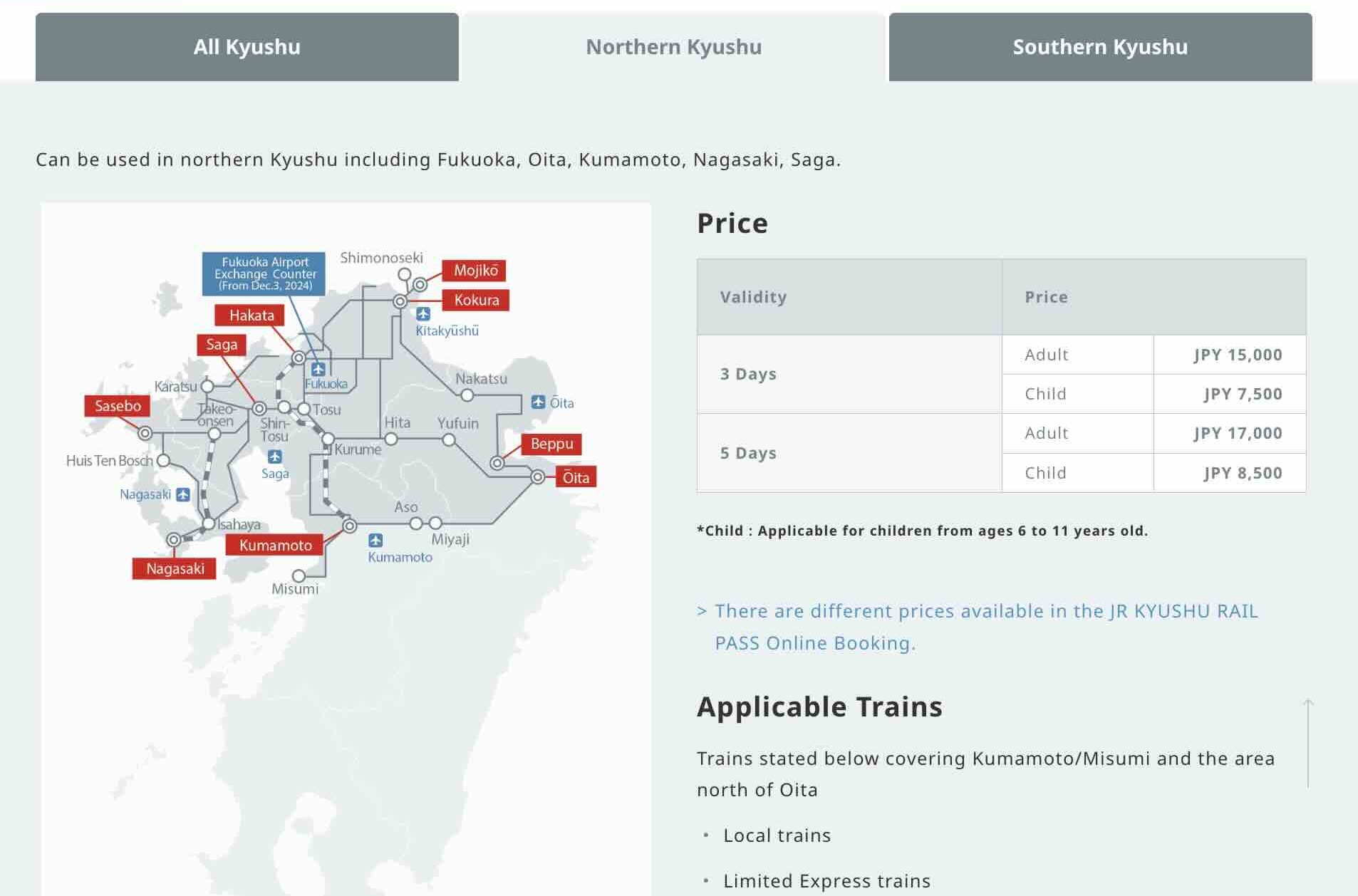
This covers the northern cities of the island, including Fukuoka. Available in 3-day and 5-day versions.
JR ALL Kyushu Rail Pass
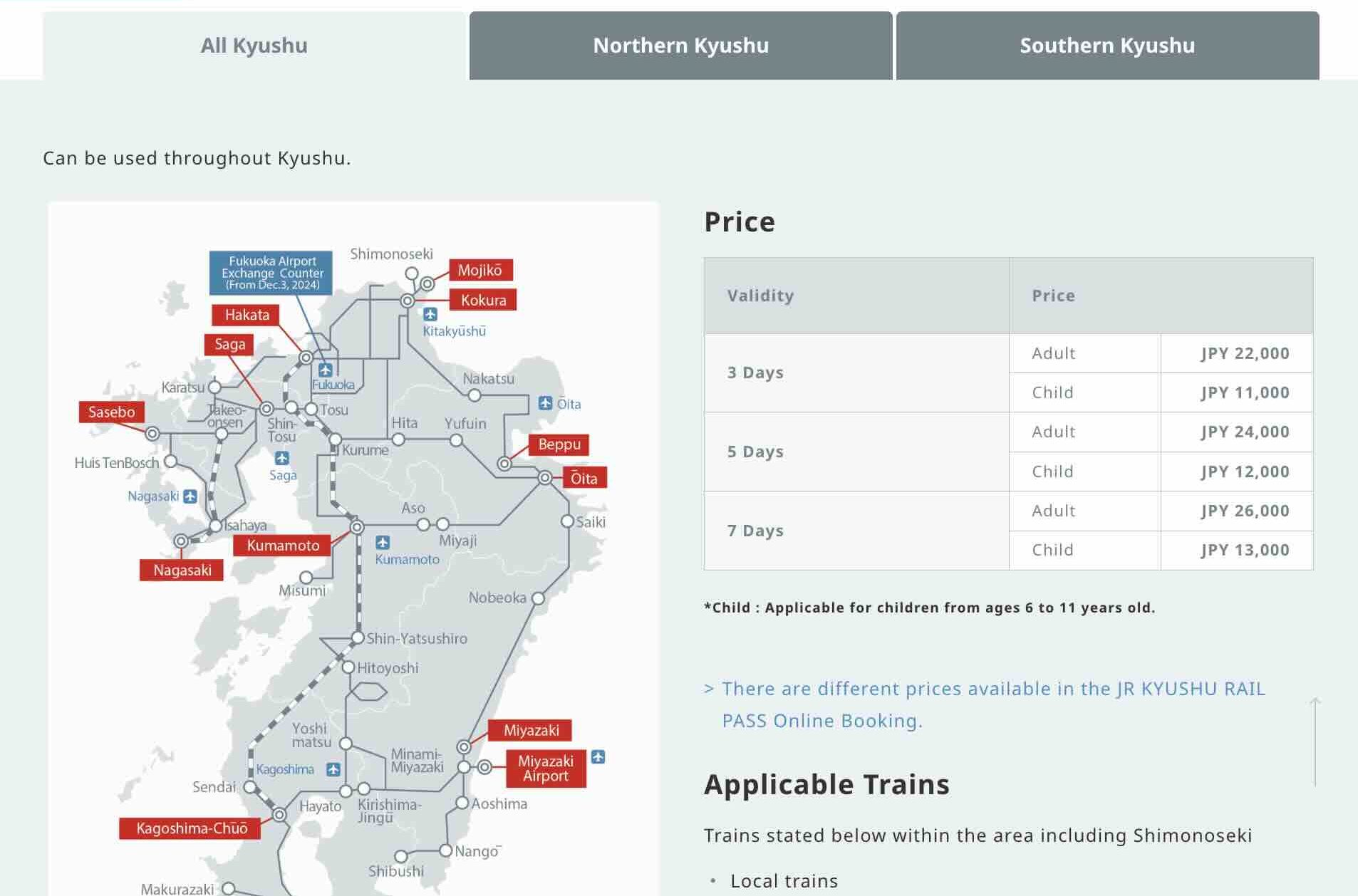
This gives you unlimited access to the JR rail network within the island, north and south included. Available in 3-day, 5-day, and 7-day versions.
Fukuoka + Hiroshima/Yamaguchi Train Pass
JR Hiroshima Yamaguchi Area Pass
If your itinerary includes Fukuoka and Hiroshima or Yamaguchi, consider the JR Hiroshima Yamaguchi Area Pass. This will enable you to get unlimited access to designated JR trains (including Shinkansen) and bus lines within Hiroshima and Yamaguchi. This also covers Shinkansen rides to and from Fukuoka (Hakata) and the ferry ride to Miyajima.
If your trip is only five (5) days, this is a good deal. The Shinkansen ride from Hakata Station (Fukuoka) to Hiroshima alone is already over ¥9830, one way. But this pass costs only ¥15,000, and it gives you much more.
Validity: 5 days
Price: ¥15,000
HOW TO GET AROUND FUKUOKA
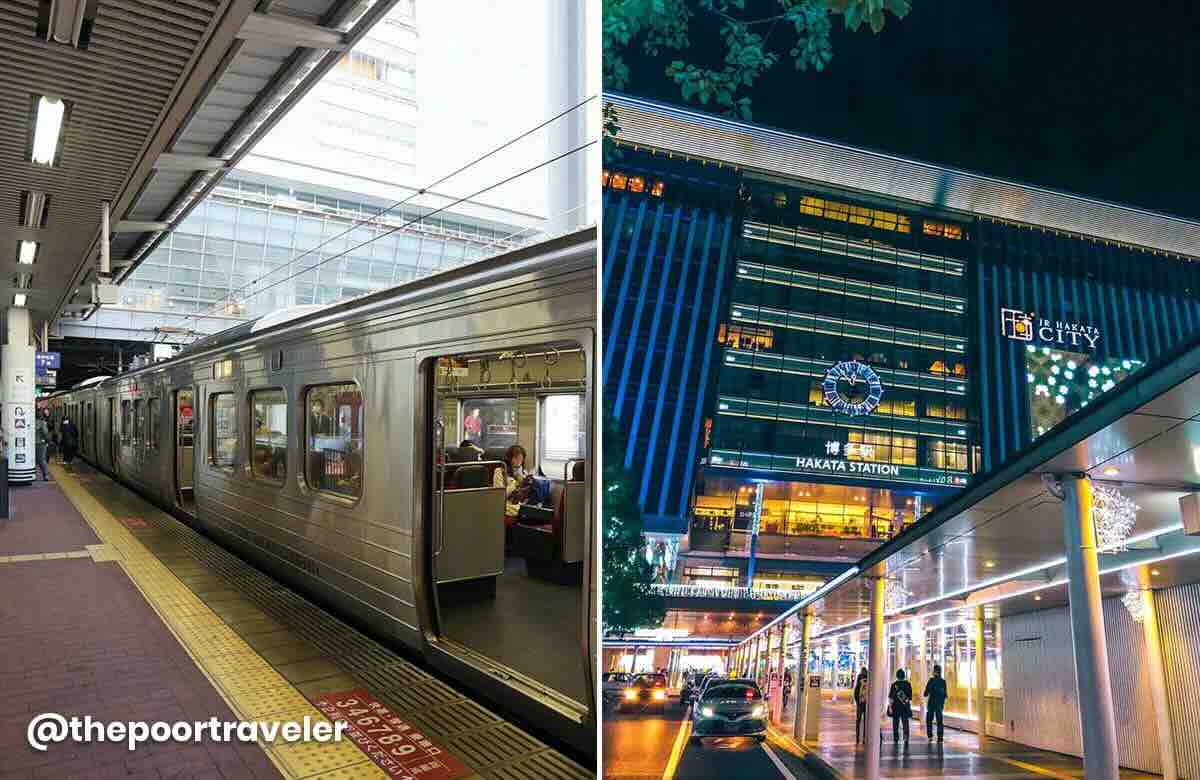
The easiest way to get around the city is the train or subway.
By Train/Subway
Fukuoka’s rail network is not as overwhelming as Osaka or Tokyo, so you should be able to get used to it fairly easily. The key is to stay connected to the internet and then use Google Maps, which is extremely reliable in Japan. Just enter your origin and destination, and it will give you options, including what station to alight at and what train to board.
By Bus
The bus is also very convenient. Just remember that if the bus has two doors, you usually board on the middle or rear door. Then you get off using the front door, paying as you exit.
We’ll be making a separate article on how to use Japan’s train and bus systems, so make sure to regularly check our website or you can also subscribe to our YouTube channel to get notified once we upload it.
THINGS TO DO IN FUKUOKA
We already published a separate, detailed article here: Top Things to Do in Fukuoka ✅
But here’s a quick rundown. By the way, if you prefer a hassle free trip, you can simply purchase your tickets or book your tours via your trusted booking sites.
Ohori Park
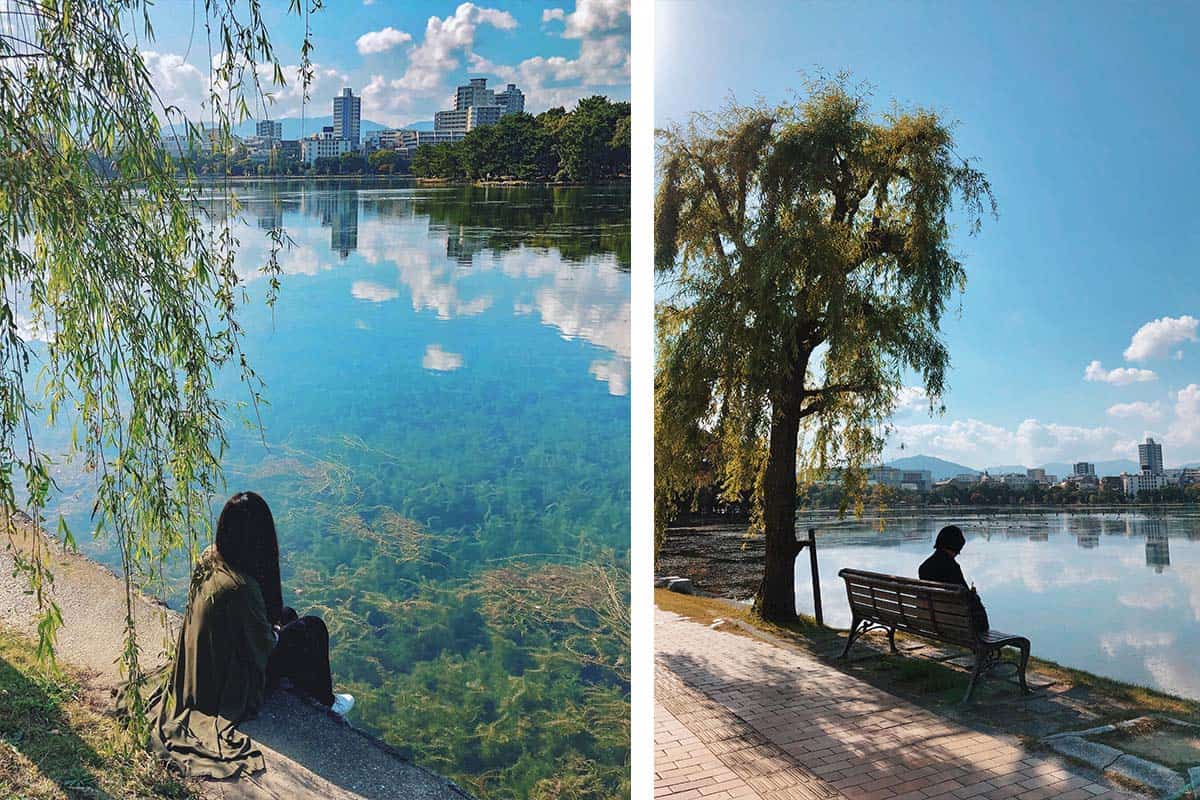
Ohori Park offers a green, peaceful escape in the middle of the metropolis. The park was originally part of the moat of Fukuoka Castle and now features a large pond surrounded by walking paths, bridges, and cozy cafés. Locals jog, picnic, or just chill here with coffee in hand while ducks glide across the water.
You’ll also find the Fukuoka Art Museum and the Fukuoka Castle Ruins nearby. The ruins themselves are mostly stone foundations now. But whether you’re up for a jog, a date, or just some quiet reflection, Ohori Park is a slice of calm in the heart of the city.
Location: Ohori Park, Chuo Ward, Fukuoka City, Fukuoka, Japan
Nearest Station: Ohori Koen Station
teamLab Forest Fukuoka

Tucked inside the sleek BOSS E・ZO FUKUOKA complex, you’ll find teamLab Forest Fukuoka. Like most teamLab sites, it’s an interactive, highly Insta-worthy museum. The moment we stepped in, we felt we had teleported to another dimension ruled by a kaleidoscope of colors and shapes. Every corner reacts to your touch, footsteps, and gestures, making you feel like part of the artwork itself. It’s also divided into various zones.
But what sets this Fukuoka branch apart from the others is its Catch and Collect Forest. Here, you chase glowing digital animals or wait for them to appear in the shifting landscapes, identify and “collect” them using the app, then release them back to the wild.
It also has the Athletics Forest, which challenges your balance and agility on luminous floors and interactive slopes.
Address: teamLab Forest Fukuoka, 5F BOSS E・ZO FUKUOKA, 2 Chome−2−6, Jigyohama, Chuo Ward, Fukuoka City, Fukuoka, Japan
Nearest Station: Tojinmachi Station
Official Website: www.teamlab.art/e/forest/
Dazaifu Tenmangu Shrine
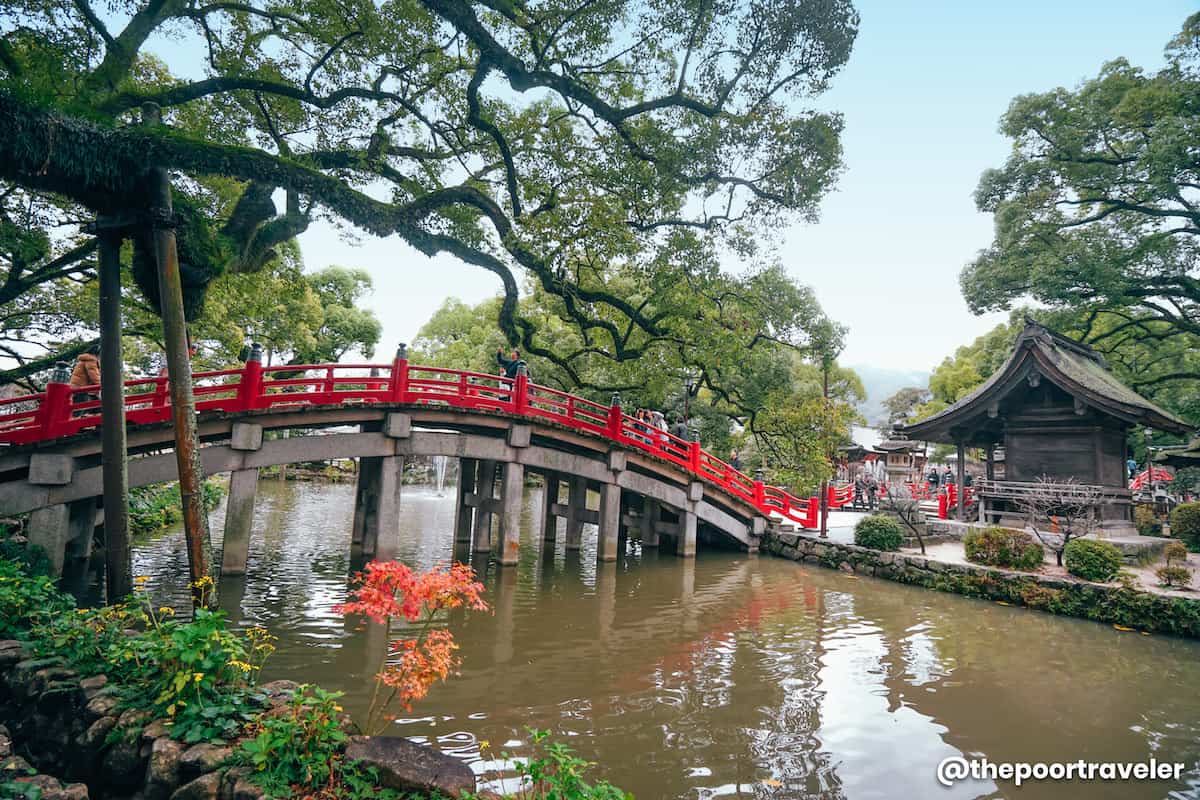
No Fukuoka trip is complete without visiting Dazaifu Tenmangu, dedicated to Sugawara no Michizane, the Shinto god of learning. The shrine is one of the most important Tenmangu shrines in Japan, drawing millions of students each year who come to pray for good grades and academic success.
We walked across the famous vermilion bridges leading to the main hall, surrounded by plum trees that Michizane loved during his lifetime. If you visit in late February, the entire area bursts into pink and white blossoms, making it one of the most beautiful plum-viewing spots in Kyushu.
Address: Dazaifu Tenmangu Shrine, 4 Chome-7-1 Saifu, Dazaifu City, Fukuoka, Japan
Nearest Station: Dazaifu Station
Official Website: www.dazaifutenmangu.or.jp/en/
Nanzoin Temple
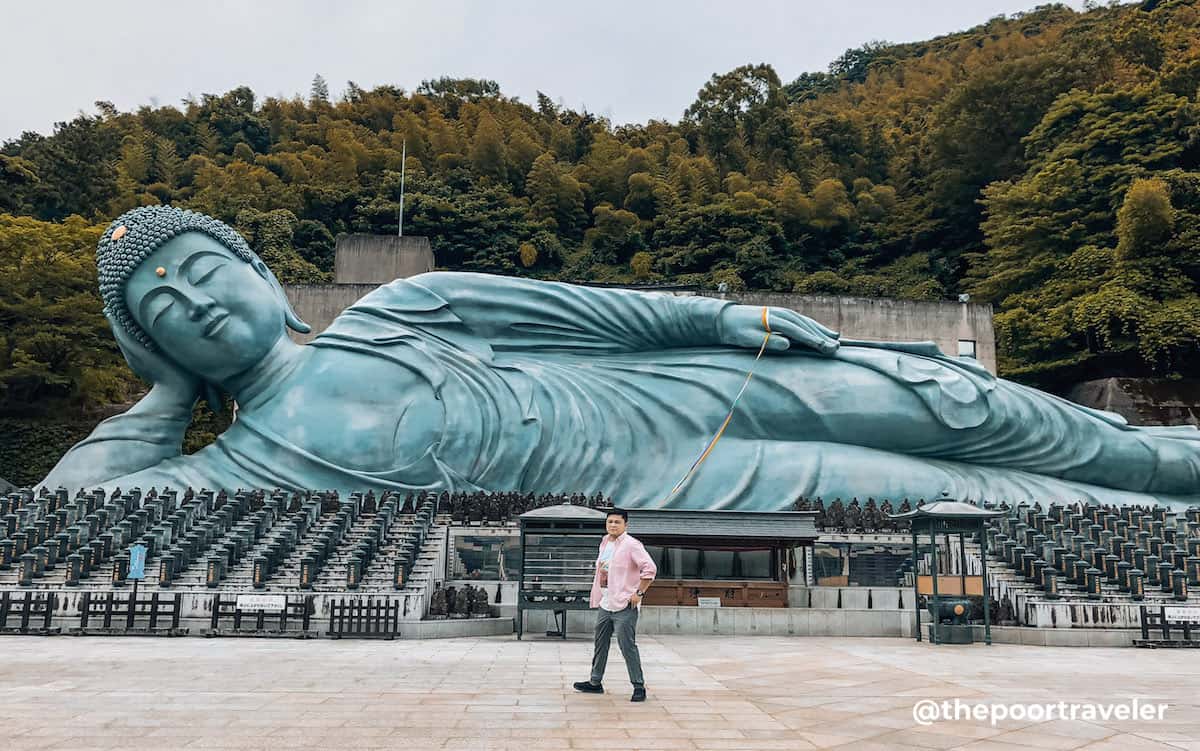
Much closer to Fukuoka City lies Nanzoin Temple in Sasaguri, where you’ll see one of Japan’s largest bronze reclining Buddhas. When we say large, we mean gigantic. The statue is 41 meters long and 11 meters high, even bigger than the one in Thailand’s Wat Pho. It represents Buddha entering Nirvana.
We visited this years ago, and I still remember it quite vividly. We approached the temple through a peaceful forest path lined with smaller statues and prayer wheels. As soon as the massive Buddha came into view, we just stood there speechless for a while. It’s so colossal that it feels almost unreal. You can even touch the Buddha’s feet, said to bring good luck.
The temple itself is part of the Sasaguri Pilgrimage.
Address: Nanzoin Temple, 1035 Sasaguri, Kasuya District, Fukuoka, Japan
Nearest Station: Kidonanzoin-Mae Station
Official Website: nanzoin.net/en/
Kokura Castle
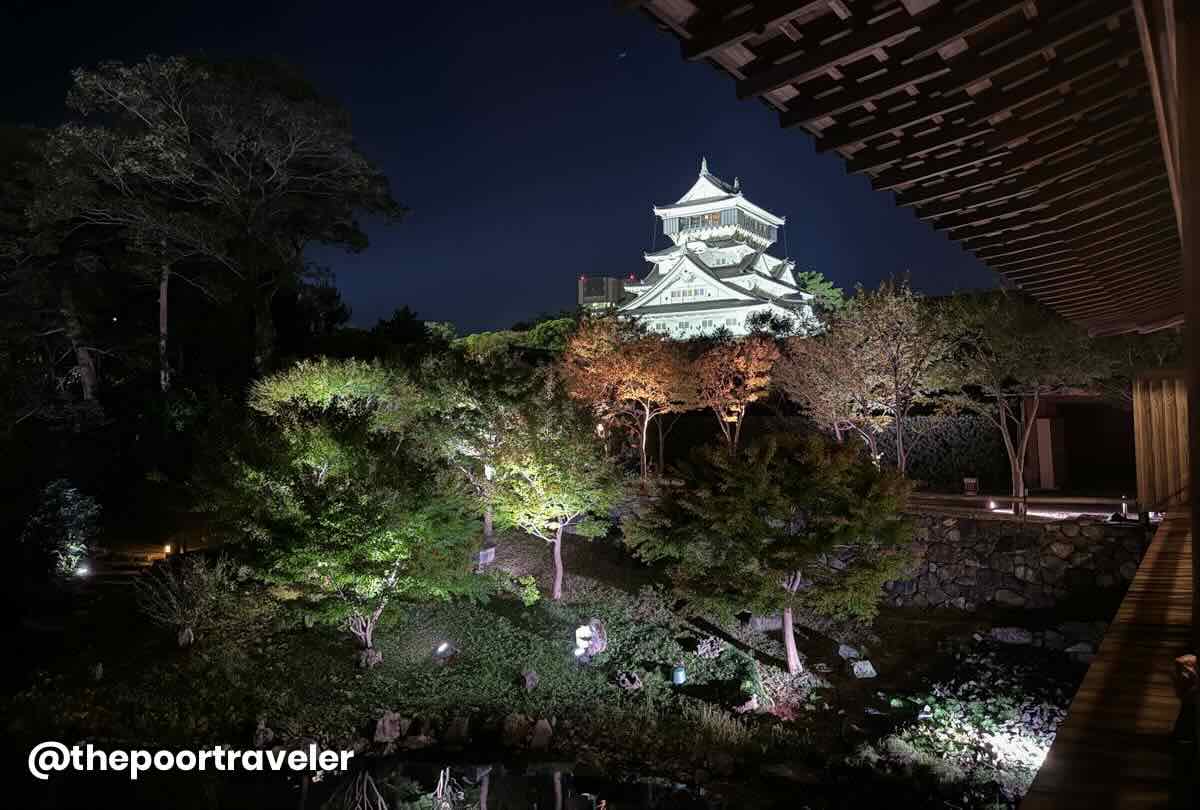
If you want to see a Japanese castle in Fukuoka, travel to the city of Kitakyushu’s Kokura district. Kokura Castle is one of the most striking historical landmarks in northern Kyushu. Originally built in 1602 by Hosokawa Tadaoki, a samurai lord under Toyotomi Hideyoshi, the castle served as a strategic stronghold between Honshu and Kyushu.
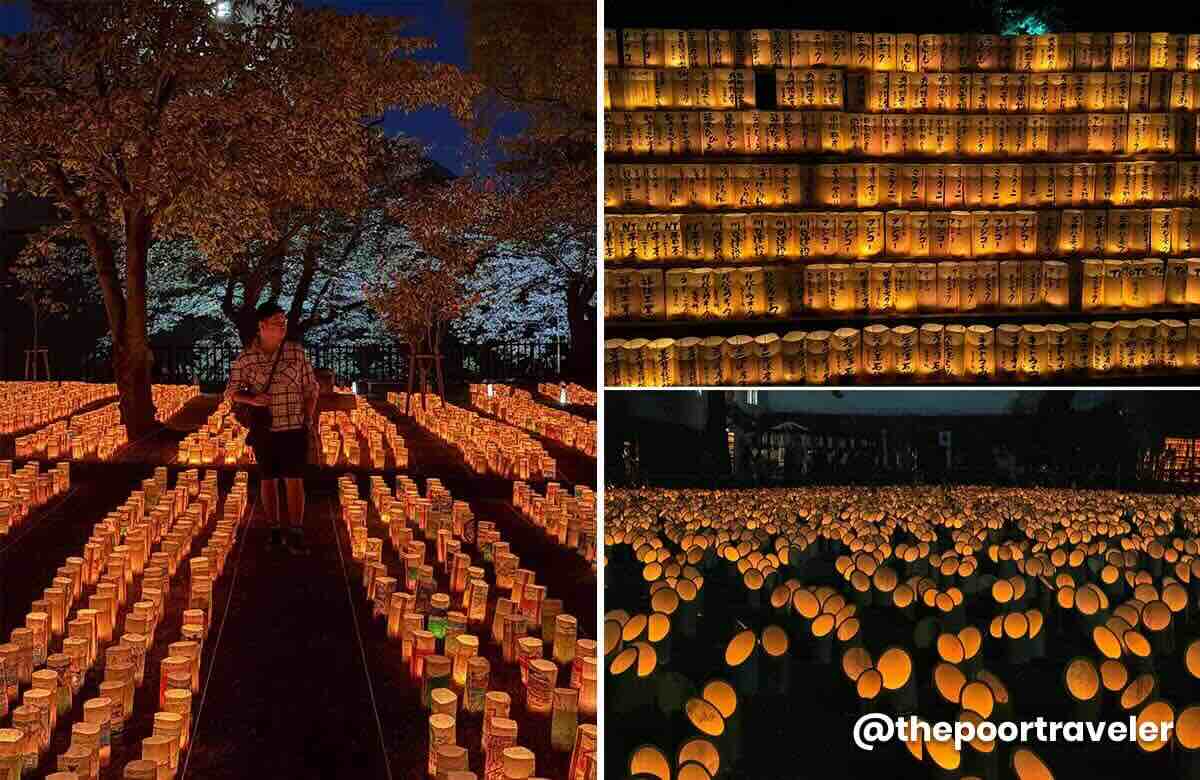
It’s a great spot to visit any time of the year, but it’s especially spectacular from late October to early November, when the castle grounds are illuminated by countless bamboo lanterns. The Kokura Castle Bamboo Lantern Festival creates an atmosphere that is so tranquil that it almost feels like walking through a fairytale. It was magical, and definitely not something you expect from a city most tourists overlook.
Address: Kokura Castle, 2-1 Jonai, Kokurakita-ku, Kitakyushu City, Fukuoka, Japan
Nearest Station: Kokura Station and Nishi-Kokura Station
Official Website: kokura-castle.jp/english/
Mojiko Retro
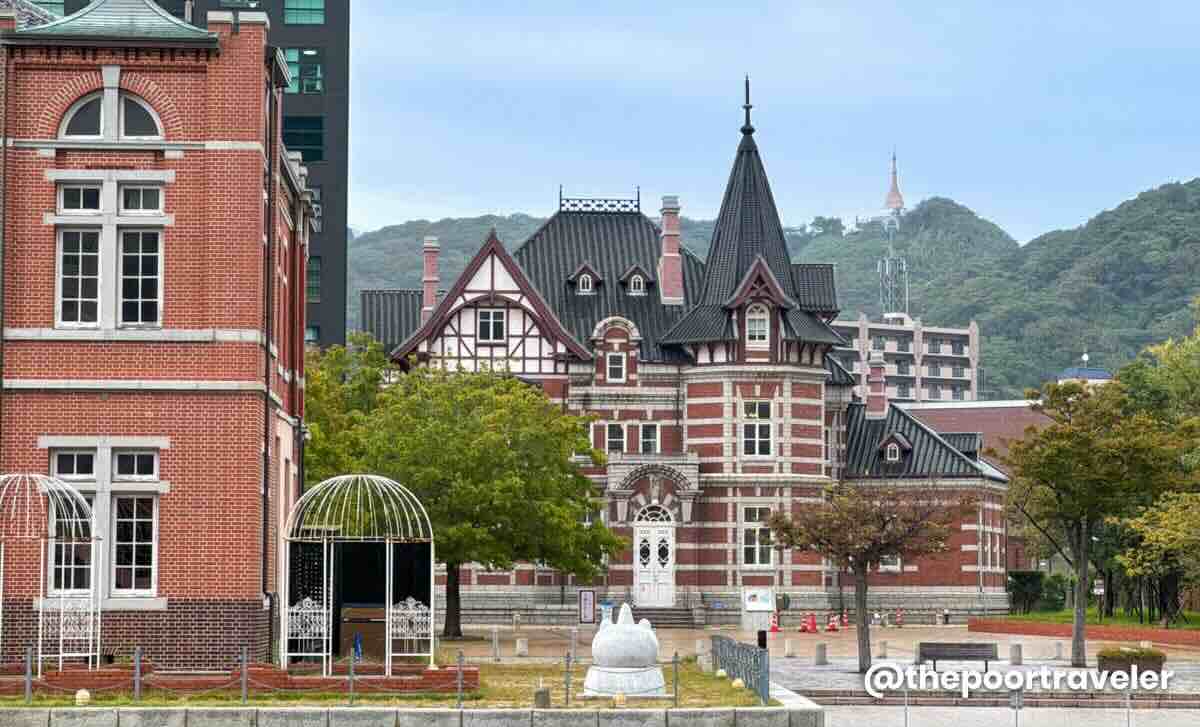
Also located in Kitakyushu, but fostering a very different atmosphere is Mojiko Retro. As soon as we arrived, it felt like we were transported into a steampunk version of Europe. Reminded me a bit of Fullmetal Alchemist, but seaside. This historic port area thrived in the early 1900s when Moji served as one of Japan’s major international trading hubs. Today, the beautifully restored Western-style buildings and retro lampposts create a charming time-slip experience.
Mojiko is also obsessed with bananas! You’ll find banana cakes, banana beer, and banana souvenirs all over town. You can have a selfie with this life-size banana-man statue. And a tiny banana fortune teller can even deliver a glimpse of what the future holds for you. It’s weird, it’s fun, it’s bananas!
Address: Mojiko Retro, Minatomachi, Moji Ward, Kitakyushu City, Fukuoka, Japan
Nearest Station: Mojiko Station
Official Website: mojiko-retroinfo.com/
Fukutsu
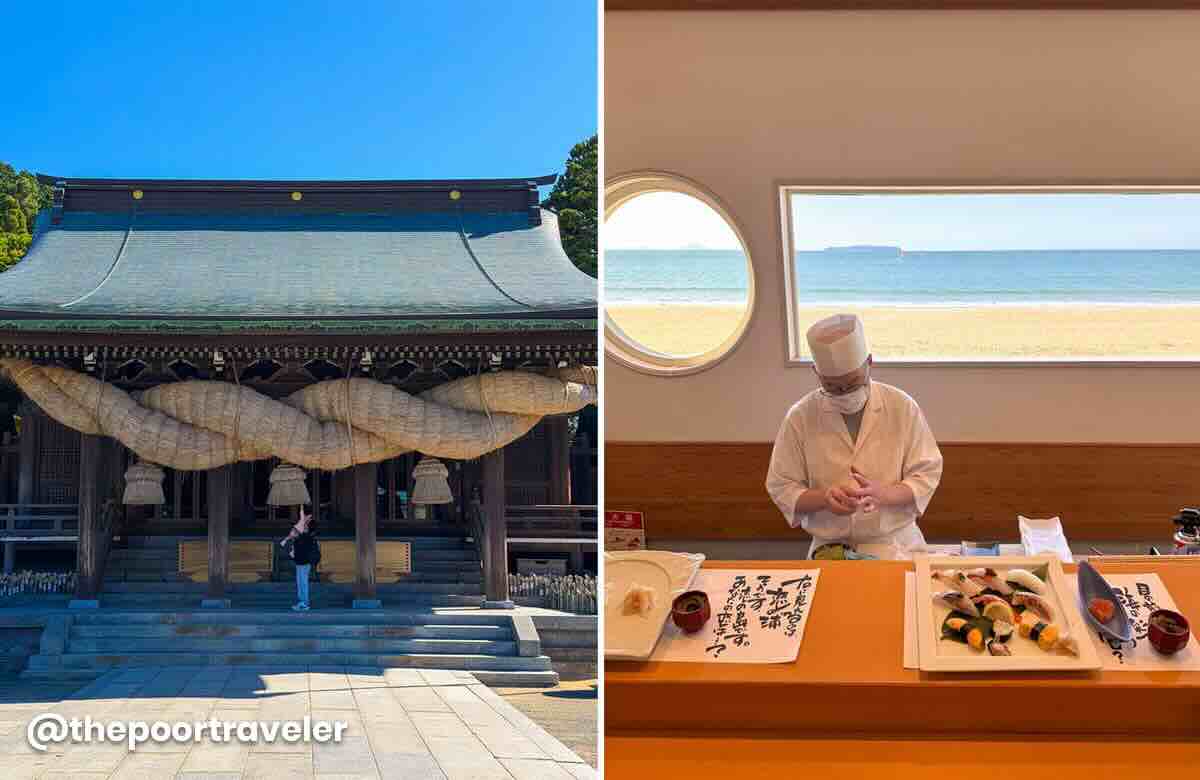
This is where you’ll find Miyajidake Shrine! Aside from Japan’s largest shimenawa (sacred straw rope), largest taiko drum, and largest bell, locals visit to witness the Path of Light, when the sunset aligns with the road! Our timing wasn’t on point, so we just walked to the beach. We also collected stamps at the historic Tsuyazaki Sengen Old Town and had delicious sushi with a phenomenal view of the beach!
Itoshima
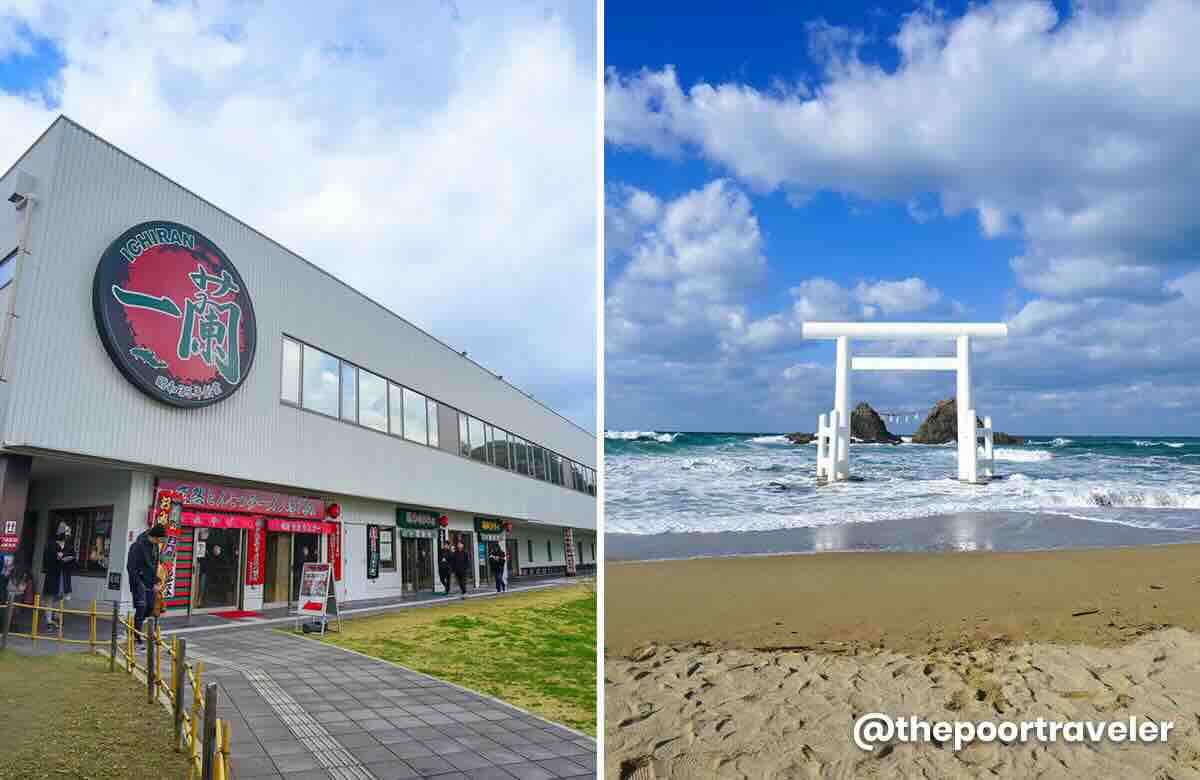
It is a coastal town best-known among tourists for Sakurai Futamigaura Shrine, where two wedded rocks rise in the water framed by this torii gate. Itoshima is also where you can tour Ichiran No Mori to see how Ichiran ramen is made and of course, you can have a fresh bowl of their signature ramen on site!
Ukiha
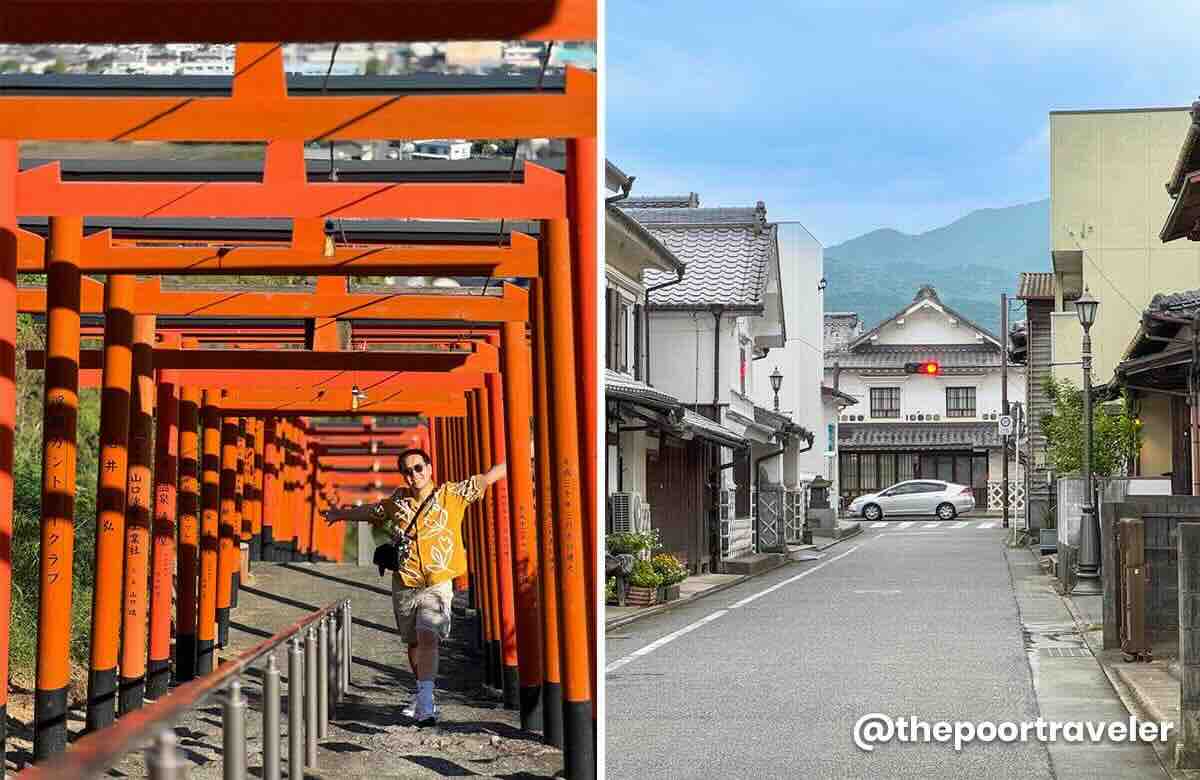
It is home to Ukiha Inari Shrine, with 91 torii gates straddling 200 steps and a gorgeous view! It’s like Kyoto’s Fushimi Inari Shrine minus the crowd! Not too far lies Yoshii White Walls District, a wonderfully preserved town! The walls here are white because after a big fire that engulfed the town, the people rebuilt their shophouses with plaster, which is fire-resistant.
Umi Hachimangu
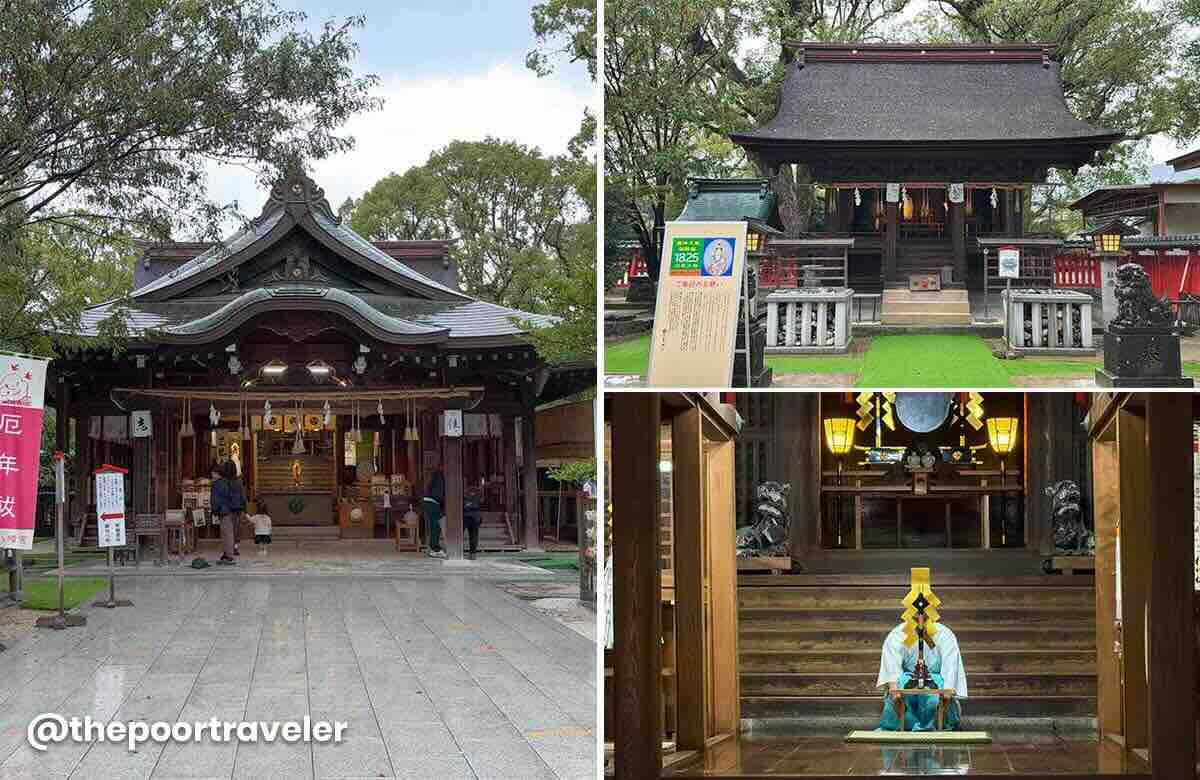
This is where couples pray for a baby and expectant mothers pray for a safe delivery. Pilgrims take home a stone, and if they are blessed with a baby, they return to the shrine with two stones with the name and birthdate of the baby. It’s also surrounded by ancient camphor trees, with some over 2000 years old!
Address: Umi Hachimangu, 1 Chome-1-1 Umi, Kasuya District, Fukuoka, Japan
How to Get to Umi Hachimangu: From Hakata Bus Terminal, take Bus 32 bound for Kami Umi. Get off at Umi Hachiman-mae Bus Stop. It’s just in front of the shrine. Travel time is 38 minutes.
Official Website: www.umi-hachimangu.or.jp/
Asakura

Asakura offers enjoyable agri-based attractions like Ringo to Budou no Ki, where you can pick apples, grapes, and persimmons! You’ll also find a lotus pond and a bee farm next to the Triple Water Wheels, the oldest operating in Japan.
Flower Parks
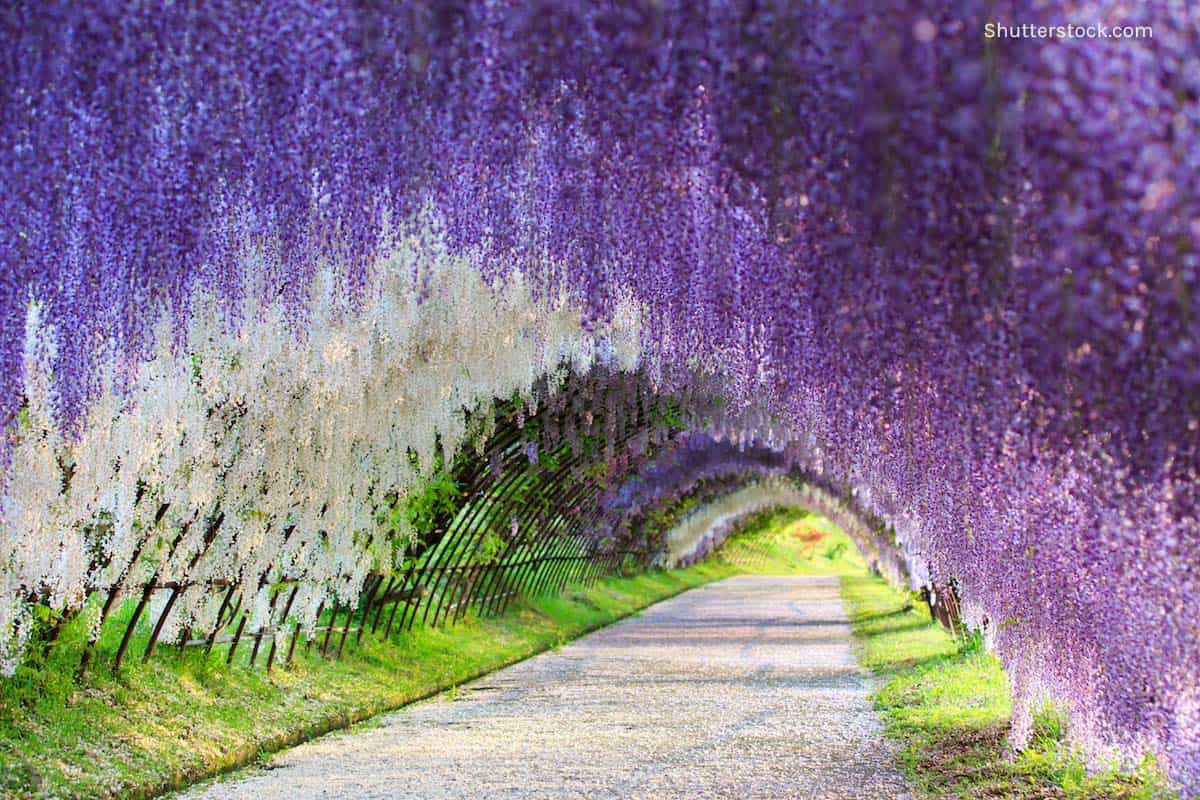
There are also many popular flower parks throughout the prefecture. Depending on the season, you can marvel at the wisteria tunnel at Kawachi Fujien Wisteria Garden, cosmos fields, and cherry blossoms on Nokonoshima Island!
Nyoirinji Frog Temple
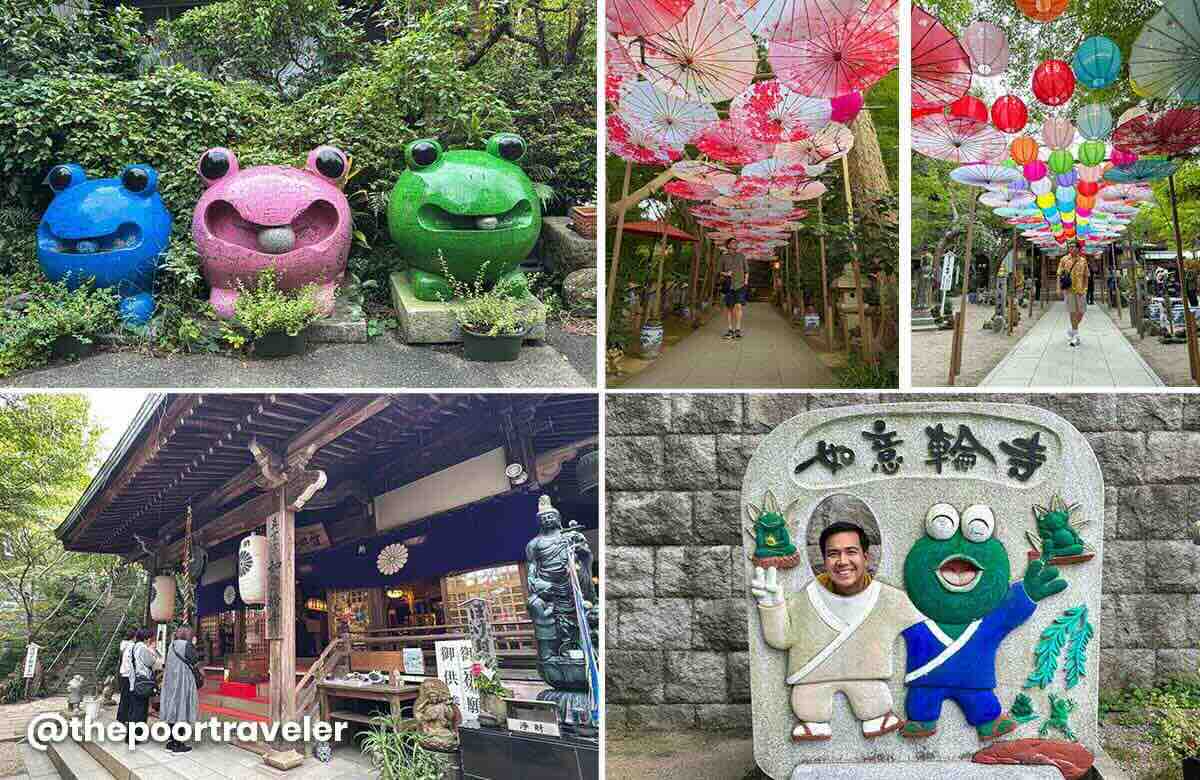
Nyoirinji Frog Temple in Ogori has a collection of more than 5000 frog items from statues to figurines! It is said that this is where you should go to pray for something or someone to return home.
Address: Nyoirinji Frog Temple, 1728 Yokoguma, Ogori City, Fukuoka, Japan
How to Get to Nyoirinji Frog Temple: From Hakata Station, take Nanakuma Subway Line to Yakuin Station. Transfer to Nishitetsu-Tenjin-Omuta Line to Mikunigaoka Station. It’s a 21-minute walk from there.
DAY TRIPS FROM FUKUOKA
Fukuoka is also a great base to explore destinations in other prefectures in Kyushu. From Fukuoka, you can go on a day trip to:
Nagasaki
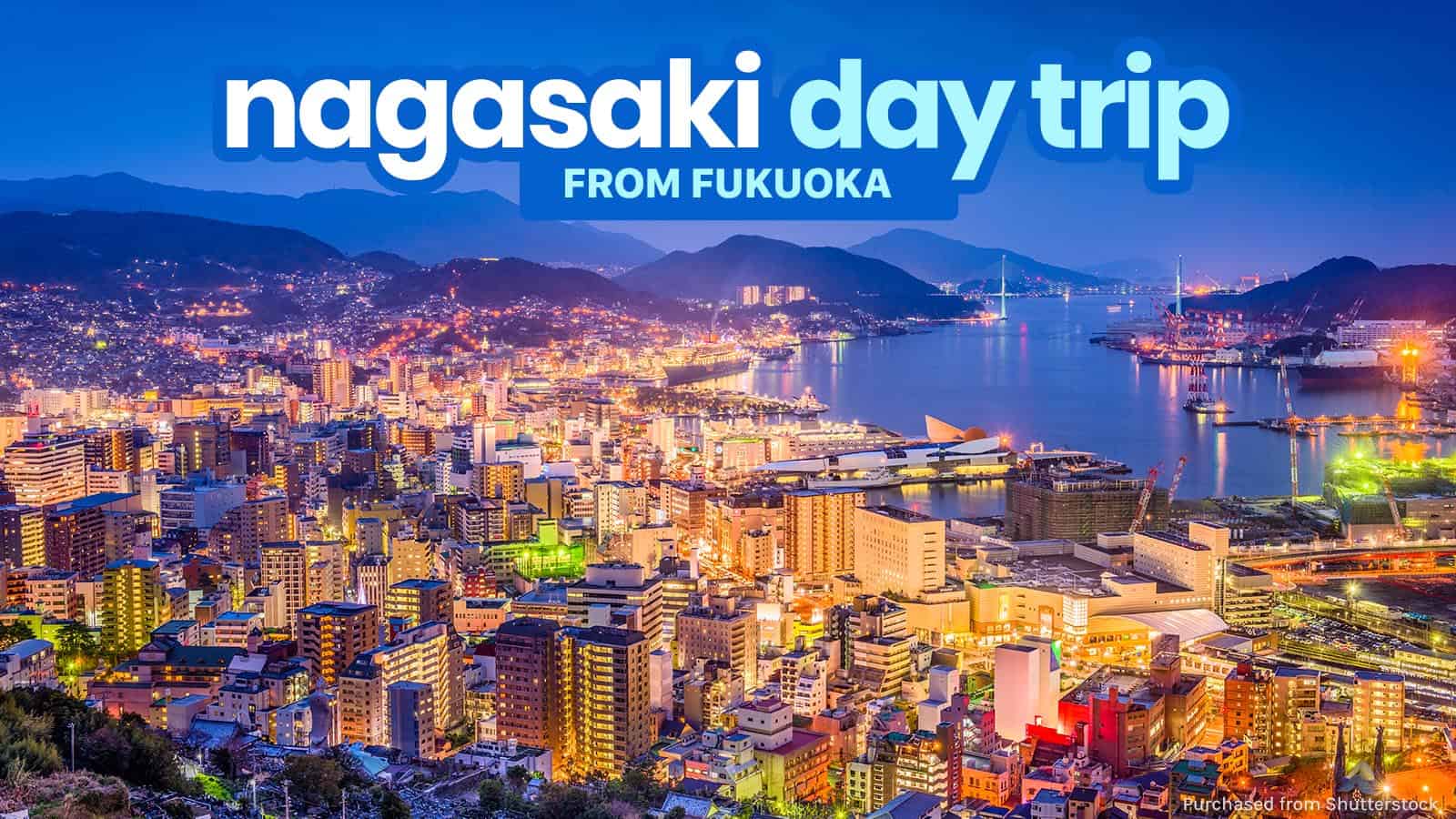
Nagasaki has a completely different character. It has strong Western influences. You can visit its churches and Christian museums and even Huis Ten Bosch, one of the largest theme parks in Japan, with a Dutch style theme.
If Huis Ten Bosch is included in your itinerary, you can book a Bus Day Trip from Hakata on Klook! For your convenience, just follow the link below.
✅ For more details, you can check out this article: Nagasaki Day Trip from Fukuoka
✅ Planning to pull a DIY? Here’s how to get from Fukuoka to Nagasaki.
Oita
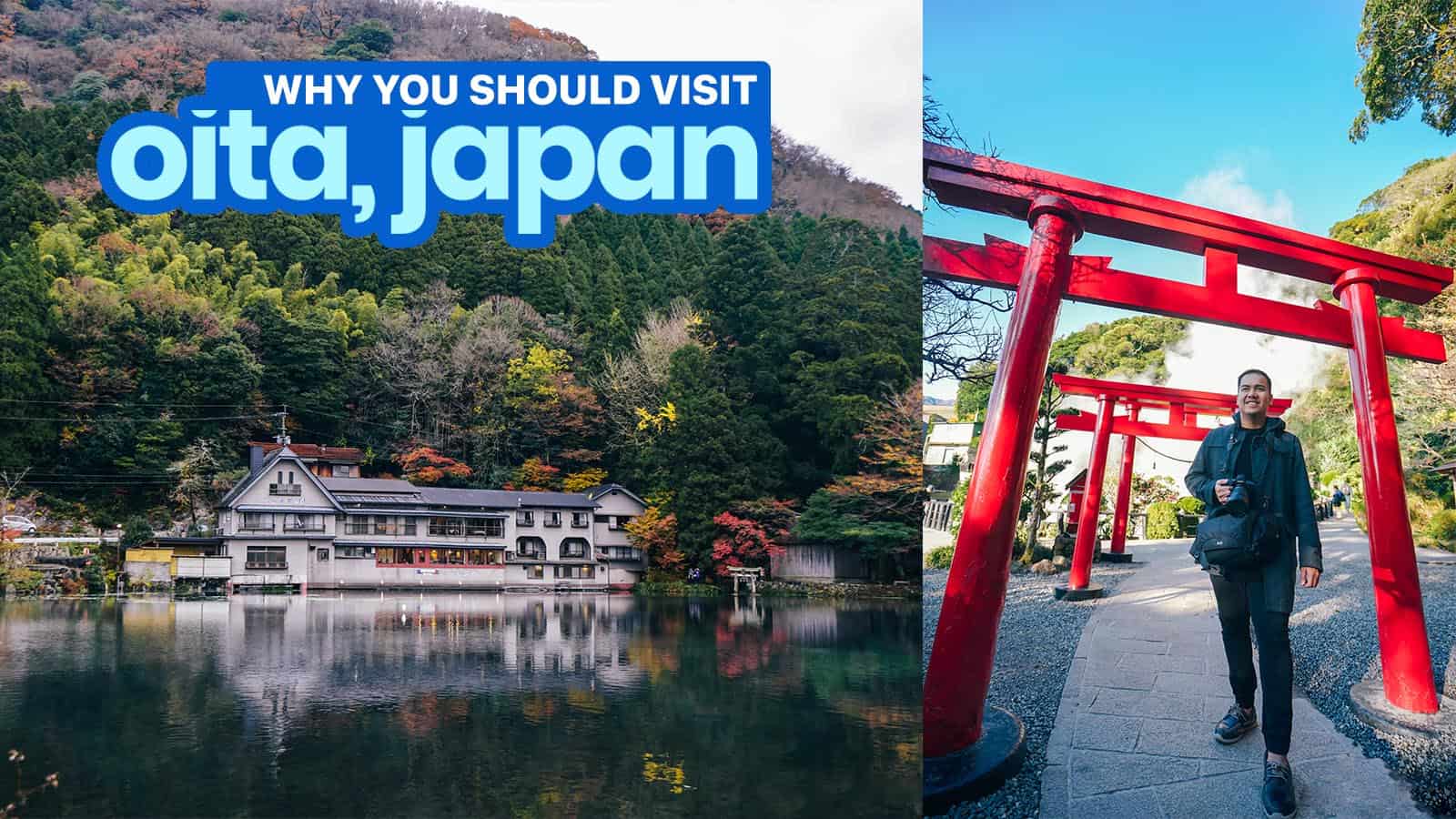
You can also hop on the very nostalgic na Yufuin No Mori Train to Oita Prefecture. Your destination: Yufuin, where you can admire this misty lake and walk around in between cute shops. Or go hot-spring hopping in Beppu.
✅ CHECK OPTIONS & BOOK OITA DAY TRIP HERE
✅ We have a separate more detailed post on tourist spots and activities in Oita. You can read it here: Top Things to do in Oita, Japan.
✅ Planning to pull a DIY? Here’s how to get from Fukuoka to Oita.
Saga
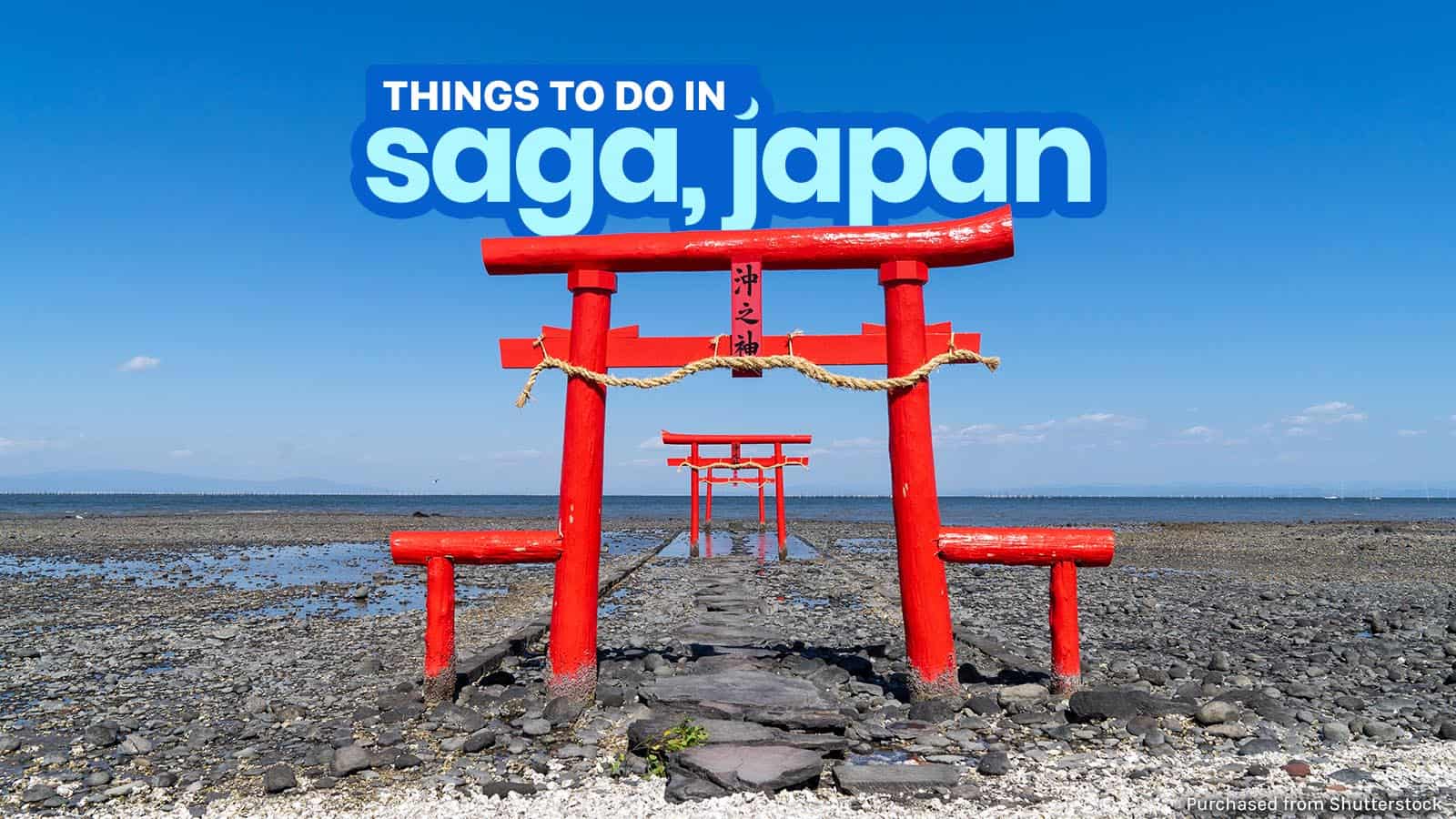
Saga is where you’ll find the stunning Mifuneyama Rakuen and where the annual Saga International Balloon Fiesta is held.
✅ We have a separate more detailed post on tourist spots and activities in Saga. You can read it here: Top Things to do in Saga, Japan.
Kumamoto
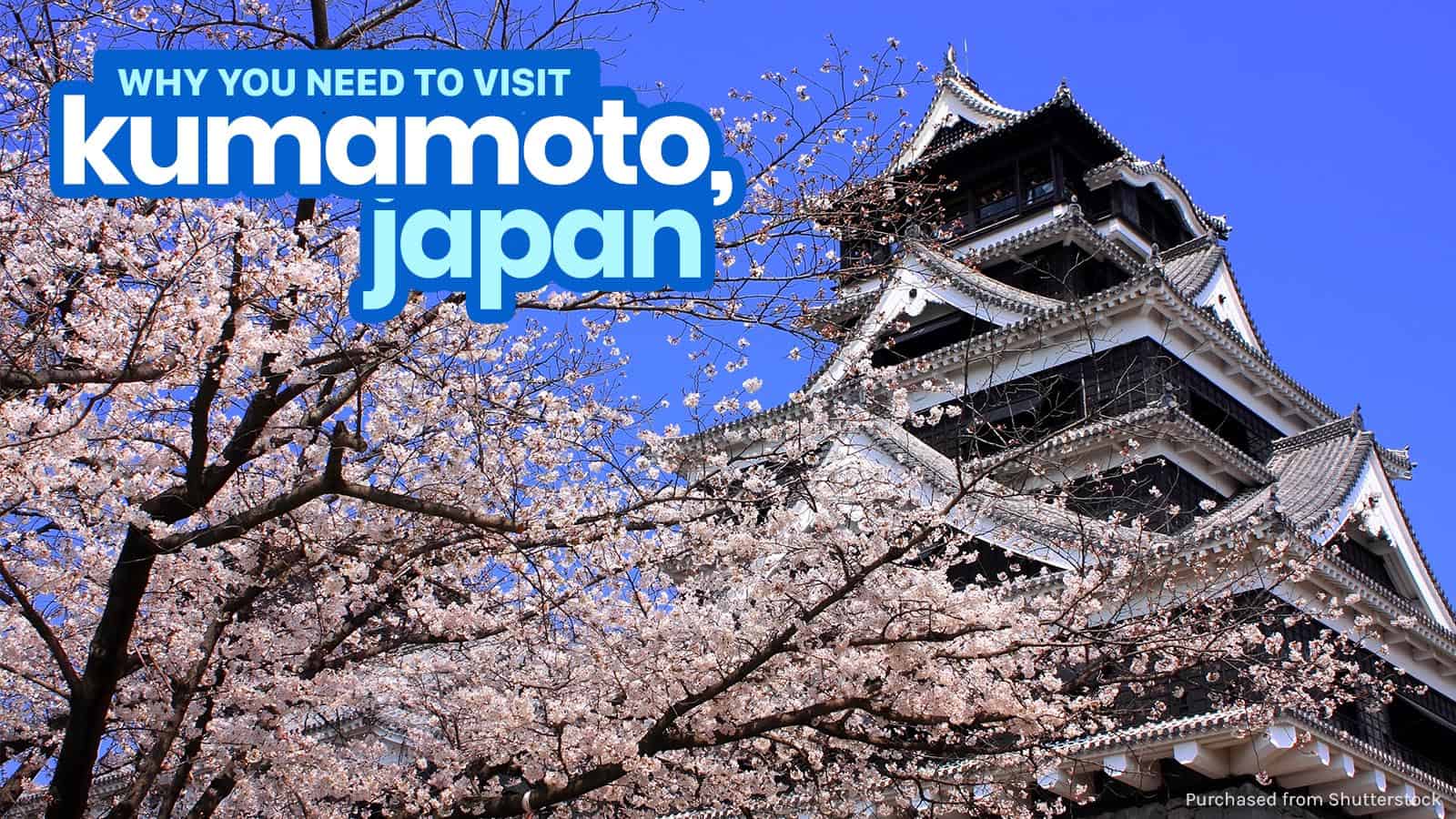
Kumamoto also has a lot to offer to tourists, including Kusasenri and the rest of Aso-Kuju National Park. And drown in the garlicky goodness of Kumamoto ramen.
If your itinerary includes both Kumamoto and Miyazaki, we found this day tour from Fukuoka on Klook! This covers some of the key tourist attractions in Kumamoto and Miyazaki prefectures.
✅ We have a separate more detailed post on tourist spots and activities in Kumamoto. You can read it here: Top Things to do in Kumamoto, Japan.
And of course, don’t leave Fukuoka without stuffing your face with lots of food! Which brings us to our next section…
WHERE TO EAT IN FUKUOKA
When in Fukuoka, it is criminal not to indulge in food! After all, this is the birthplace of tonkotsu ramen and motsunabe, and the epicenter of Japanese street food!
With all the delicious food options in Fukuoka, it only makes sense to create a dedicated post for it, listing down the dishes and restaurants we tried and recommend. You can check it here: Where to Eat in Fukuoka ✅
SAMPLE FUKUOKA ITINERARY
Here are two sample itineraries. While we made it as detailed as possible, please add plenty of time and budget allowance to cover possible price and schedule adjustments.
4D/3N FUKUOKA ITINERARY
PRE-TRIP EXPENSES:
Hotel: ¥12,480 (P4700) [¥8320 (P3150) per night x 3 nights, divided by 2 pax]
JR Northern Kyushu Pass: ¥15,000 (P5700), Reserve here! ✅
Sub-Total: ¥27,480 (P10,400)
DAY 1 – ARRIVAL
02:10 PM – ETA NAIA Terminal 3
07:00 PM – ETA Fukuoka Airport
08:00 PM – Buy SIM/eSIM, ¥2700 (¥1350 per pax)
08:30 PM – Bus to Hakata Station, ¥310
09:00 PM – Hotel Check-in
10:00 PM – Yatai late dinner, Budget: ¥2500
Sub-Total: ¥4160 (P1575)
DAY 2 – YUFUIN
07:00 AM – Wake-up call
08:00 AM – Walk to Hakata Station
08:30 AM – Grab onigiri and drink, ¥500
09:17 AM – Yufuin No Mori train to Hakata Station
(Included with JR Kyushu Pass, Reservation Fee: ¥1500)
11:30 AM – Explore Yufuin, Lunch Budget: ¥2500
03:50 PM – Yufuin No Mori to Hakata Station, Reservation Fee: ¥1500
06:10 PM – Walk to Canal City
06:30 PM – Explore Canal City and Nakasu Island
08:00 PM – Dinner, ¥1500
Sub-Total: ¥7500 (P2839)
DAY 3 – KITAKYUSHU
07:00 AM – Wake-up call
08:00 AM – Walk to Hakata Station
08:10 AM – Quick onigiri breakfast, ¥500
08:30 AM – Train to Mojiko Station
10:10 AM – Arrival in Mojiko Station
10:15 AM – Explore Mojiko Retro
12:00 PM – Lunch: Yaki Curry, ¥1200
01:00 PM – Train to Kokura Station
01:20 PM – Walk to Kokura Castle
01:35 PM – Kokura Castle & Garden, ¥560
04:00 PM – Tanga Market, Budget: ¥500
04:30 PM – Walk back to Kokura Station
04:45 PM – Train to Edamitsu Station
05:00 PM – The Outlets (Shopping)
08:00 PM – Dinner, ¥1200
09:20 PM – Train to Hakata Station
11:00 PM – Back to hotel
Sub-Total: ¥3960 (P1499)
DAY 4 – TEMPLES
07:00 AM – Wake-up call, hotel check-out, deposit bags
08:00 AM – Walk to Hakata Station
08:10 AM – Quick breakfast, ¥500
08:45 AM – Train to Kidonanzoin-Mae Station (¥450, JR Kyushu Pass)
09:15 AM – Nanzoin Temple, ¥300
10:53 AM – Train to Hakata Station (¥450, JR Kyushu Pass)
11:30 AM – Shin Shin Lunch, Budget: ¥1500
12:50 PM – Walk to Hakata Bus Terminal
01:00 PM – Bus 306 to Kyushu Iryo Center (Hospital), ¥260
01:23 PM – Walk to teamLab Forest
01:30 PM – teamLab Forest, ¥2400, Book here! ✅
03:30 PM – Walk to Kyushu Iryo Center (Hospital) Bus Stop
03:38 PM – Bus 306 to Hakata Station, ¥260
04:10 PM – Pick up bags at hotel
04:42 PM – Nishitetsu Bus to Airport, ¥310
05:00 PM – Flight check-in
06:00 PM – Dinner at Motsunabe Rakutenchi, ¥2000
08:00 PM – ETD Fukuoka Airport
Sub-Total: ¥7230 (P2736)
TOTAL: JPY 50,330 (USD 145.65, EUR 125.25, PHP 19,049)
Note: The above amount doesn’t include airfare and visa (and the P1620 travel tax for Filipino travelers).
5D/4N FUKUOKA ITINERARY
If you have an extra day, we recommend going on a day trip to Nagasaki. It has a very different vibe, which can add a bit of variety to your stops. You can insert it on Day 2, 3 or 4 to maximize the use of JR Kyushu Rail Pass!
This itinerary is tight and packed. If you don’t think you have that much time, budget, or energy, feel free to remove some of the stops.
ADDITIONAL DAY – NAGASAKI
06:30 AM – Wake-up call
07:30 AM – Grab breakfast, ¥500
08:12 AM – Relay Kamome Train to Takeo Onsen
09:20 AM – Nishi Kyushu Shinkansen to Nagasaki Station
09:54 AM – ETA Nagasaki Station, walk
10:10 AM – 26 Martyrs Museum & Monument, ¥500
11:30 AM – St. Philip Nishizaka Church
12:00 PM – Walk to Yachiyo Machi Bus Stop
12:09 PM – Take Bus 35 to Glovergarden, ¥200
12:20 PM – ETA Glovergarden
12:30 PM – Lunch, Budget: ¥1700
01:30 PM – Oura Cathedral & Museum, ¥1000
02:45 PM – Glover Garden, ¥620
04:25 PM – Take Bus 4 to Mt. Inasa Ropeway, ¥200
05:00 PM – Mt. Inasa Ropeway, RT: ¥1250
05:07 PM – Explore Mt. Inasa Overlook
06:30 PM – Dinner, Budget: ¥2000
07:15 PM – Ropeway to base
07:31 PM – Bus 40 to Yachiyo Machi, ¥190
07:35 PM – Walk to Nagasaki Station
07:48 PM – Nishi Kyushu Shinkansen to Takeo-Onsen Station
08:20 PM – Relay Kamome Ltd Exp. Train to Hakata Station
09:15 PM – ETA Hakata Station
Sub-Total: ¥8160 (P3088)
Because of the extra day, the hotel cost will increase, too:
Hotel: ¥16,640 (P6298) [¥8320 (P3150) per night x 4 nights, divided by 2 pax]
If you insert this Nagasaki Day, here’s the total for 5 days, 4 nights.
TOTAL: JPY 63,550 (USD 405, EUR 348, PHP 24,053)
Note: Again, this excludes airfare, visa, and travel tax.
If you’d rather explore more destinations in Kyushu, like Takachiho Gorge in Miyazaki and Mt. Aso in Kumamoto, we have a separate itinerary for it. Check it out here: 5-Day Kyushu Itinerary ✅
FREQUENTLY ASKED QUESTIONS ABOUT FUKUOKA
When is the best time to visit Fukuoka?
October to November, all things considered. These months enjoy pleasant and dry weather, ideal for sightseeing. October is when temperatures begin to drop to 18.8°C average.
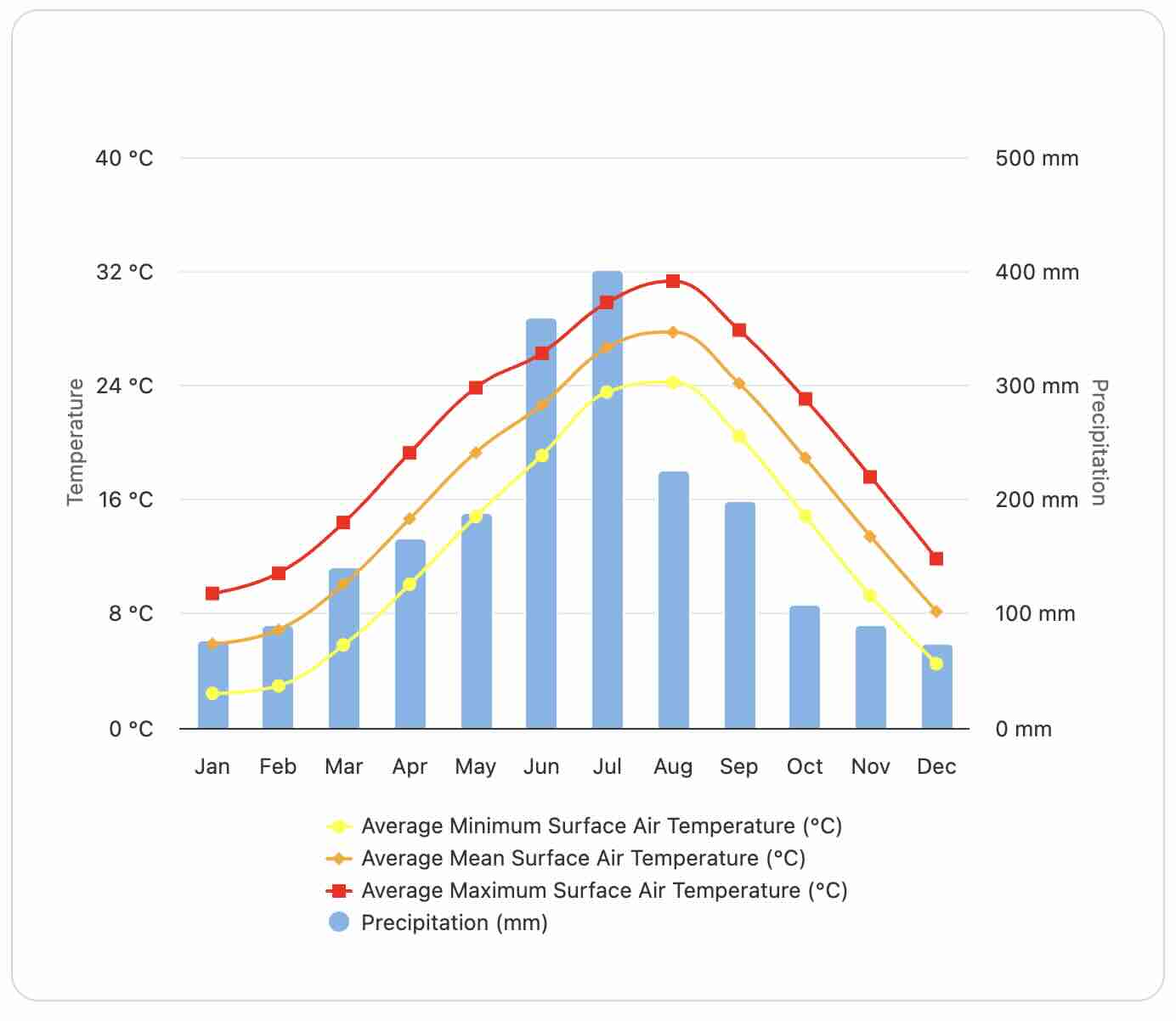
It’s also the least popular among tourists, which makes exploring a lot less stressful. Not to mention the vibrant autumn foliage! It’s my favorite season.
And if you want to witness the Kokura Bamboo Lights Festival, know that it happens only for a few weeks, from late October to early November.
If you don’t mind the cold, winter is a good option too. The temperature can plunge to 5.2°C average, but it also sees the lowest precipitation levels.
Fukuoka is also magical in the Sakura season, from late March to early April. But if you’re more interested in the Wisteria Tunnel in Kitakyushu, the time to visit is late April to early May. However, note that it also coincides with Japan’s Golden Week. Both the cherry blossom season and Golden Week are the busiest and most crowded periods.
It’s also best to avoid the days surrounding Obon, which is Japan’s version of All Soul’s Day (Undas). Held in mid-August, it’s incredibly hot, humid, and hectic.
These periods are the most crowded and the most expensive.
If you insist on visiting in the summer, bring a portable fan, which will make you more comfortable. Depending on your budget and preferences, you’ll find many types available in the market, even online. Aecooly Aero Pro can last up to 14 hours and has six levels. But if you prefer something cheaper but still does the job, you can go for the the Aecooly Halo fan.
Is Fukuoka safe?
Yes, Fukuoka is very safe. Sure, it’s not crime-free, but it is one of the safest major cities in the world. The people of Fukuoka are also very polite, helpful, and kind.
But we would still advice that you keep an eye on your belongings and don’t leave it just anywhere.
Where to exchange money in Fukuoka?
You’ll find plenty of money changers throughout Fukuoka, but save yourself the trouble and just withdraw from an ATM when you arrive at Fukuoka International Airport. The best option is the airport, since most ATMs in Japanese banks don’t accept international cards. You can also check the ATMs inside convenience stores like 7-11, which tend to accept the widest range of international cards.
Just note that most ATM/debit cards charge a transaction fee of JPY 110 to 220, depending on how much you withdraw.
What is the power socket used in Fukuoka?
The most common socket is Type A. The plugs have two flat pins. Type B is sometimes used but not that common. The standard electricity supply or voltage in Japan is 100 volts (100V).
What is the tipping policy in Fukuoka?
Tipping is not practiced in Fukuoka or Japan in general. If anything, it can be seen as an insult, so we don’t recommend it.
Most restaurants have a counter by the entrance/exit door. To pay, just approach it on the way out.
When is it wise to purchase a JR Pass?
If you’re visiting Fukuoka or Kyushu ONLY, you don’t need a JR Nationwide Pass. It’s only for those who will make multiple long-distance journeys.
If you’re visiting multiple cities in Japan and you’re staying for at least seven (7) days, it’s best to get a JR Nationwide Pass. If your itinerary is more like that, purchase a pass before your trip. You’ll find good JR Passes rates available online. If you live in the Philippines, the pass will be delivered to you in seven days.
Protect your finances when traveling!
Getting a travel insurance is optional, but we highly recommend this, especially when traveling abroad. Travel can be unpredictable, and though we hope we’ll never use it, having it gives us peace of mind in case of unexpected delays, cancellations, or emergencies.
For international destinations, consider PGA Sompo’s TravelJOY Plus insurance. You can GET IT HERE. Don’t forget to use WORTHIT for a special affordable rate.

Join The Poor Traveler Support Group
✅ If you have any questions or need travel tips, feel free to post them to the TPT Support Group. The members are very helpful. This Facebook support group has been around for a long time, and many members have found travel buddies through it. You can join too! Just visit The Poor Traveler Support Group. Note that this is different from The Poor Traveler Facebook page.

Updates Log
2025 12 15 – First uploaded
Edited by: Asta Alvarez